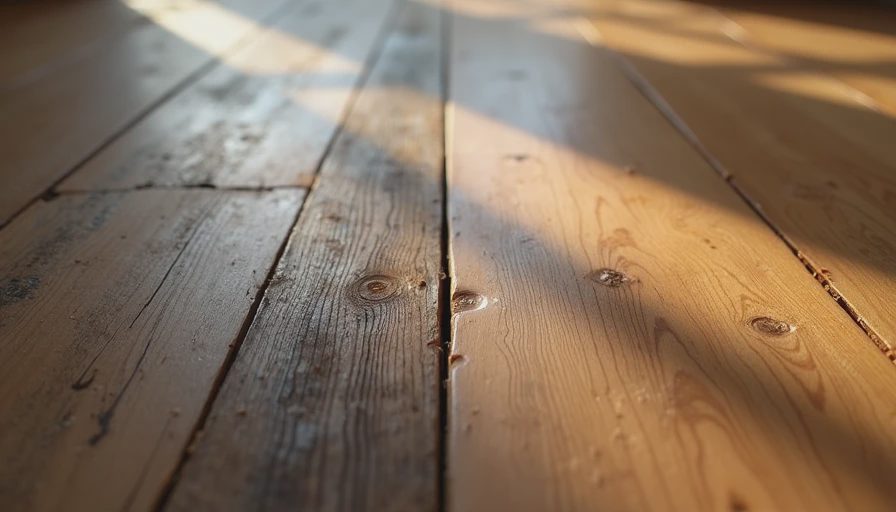
The $11,400 Mistake I Still Think About
I walked into a tidy 1950s ranch house a few years back. The homeowner had gotten three quotes to “replace the damaged hardwood” in the main living areas. All of them hovered around $11k–$14k. She was ready to sign.
I asked if I could take a closer look. After pulling up a couple of loose boards and running my moisture meter, I told her the truth: “You don’t need new hardwood floors. Probably.” Two full days of sanding and three coats of finish later, the floors looked brand new for $2,650. She still sends me Christmas cards.
That job stuck with me. Not because I saved her money (though that felt good), but because it happens all the time. Homeowners get scared by cupping, scratches, or dull finish and assume replacement is the only option. Often, it isn’t.
Floors take a beating every day. Don’t let them beat your budget too.
When Refinishing Makes Sense (And When It Doesn’t)
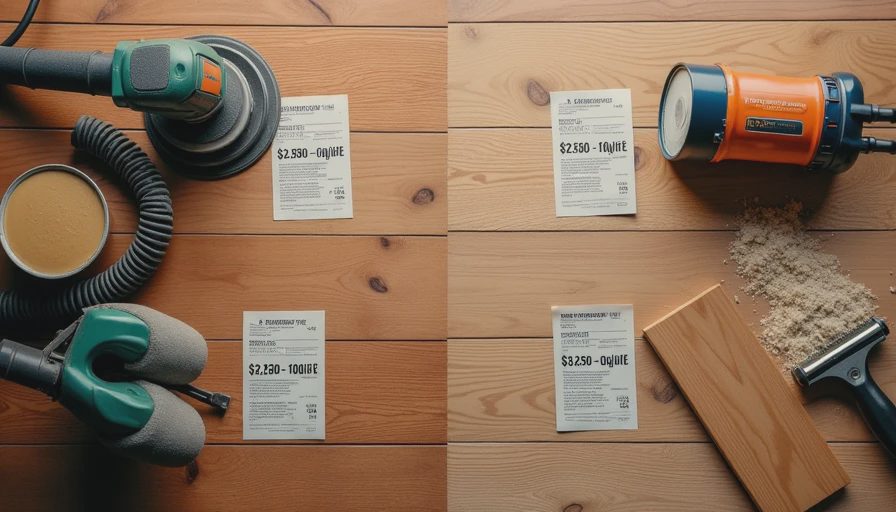
Solid hardwood is tougher than most people think. I’ve refinished floors installed in the 1920s that still had plenty of life left after one or two sandings. Here’s my practical decision framework after doing this for nearly two decades.
Check the Thickness First
Most traditional solid hardwood starts at 3/4 inch thick. Each professional sanding removes about 1/16 to 1/8 inch. If you’ve got at least 3/8 inch of good wood left above the tongue, you can usually sand safely. I carry a simple gauge on every job — if it’s too thin in multiple spots, then we talk replacement.
I once turned down a full replacement job on a 100-year-old oak floor because it still had enough meat. Two sandings later it looked incredible. The client saved over $9,000.
Assess the Damage Honestly
Surface scratches and wear? Almost always refinishable.
Minor cupping or gaps? Often fixable with moisture control and proper sanding.
Water damage in isolated areas? Patch and refinish if the surrounding floor is solid.
Structural issues or rot? Now we’re talking replacement or major repairs.
The key is knowing the difference. Most big-box quotes don’t bother making that distinction.
Real Cost Comparison: Refinish vs Replace
Let’s talk numbers from actual jobs I’ve done in the St. Louis area (adjusted roughly to today’s material/labor costs):
Refinishing (1,200 sq ft):
Sanding + finishing: $2.25 – $3.50 per sq ft
Total: $2,700 – $4,200
Timeline: 3–5 days
Full Replacement (same area):
Demo + disposal: $1.50 – $2.50/sq ft
New materials + install: $6 – $12/sq ft
Total: $9,000 – $17,000+
Timeline: 7–14 days
That’s not even counting the cost of moving furniture twice or living without floors for longer. The math is brutal once you run the numbers.
I’ve done the $2.50/sq ft refinish on old pine that looked every bit as good as an $8.50 replacement. You give up almost nothing in appearance but save a fortune.
What Nobody Tells You About New Hardwood
New floors look perfect in the showroom. Then life happens. Kids, dogs, dropped pans, furniture legs — it all starts immediately. Within two years many new floors already show wear, especially the cheaper engineered stuff.
Meanwhile, a well-refinished old-growth floor has character. The grain is tighter. The wood is denser. It tells the story of your house instead of looking like every other new build on the block.
I installed engineered hardwood in a new construction project once. Beautiful on day one. Two years later the homeowner called because the finish was peeling in the high-traffic areas. The original installer was long gone. I ended up refinishing it anyway.
How to Decide for Your House
Here’s my step-by-step checklist I use on every consult:
Measure remaining thickness in multiple spots
Moisture test the subfloor and wood
Check for structural problems (soft spots, excessive movement)
Evaluate the species and age — older oak is often worth saving
Get an honest refinishing quote from someone who actually does the work
If the refinishing quote is less than half the replacement cost and the floor still has life, I almost always recommend saving it.
The Jobs Where I Did Recommend Replacement
I’m not anti-new floors. I’ve installed plenty. Sometimes replacement is the right call:
When the existing floor has been sanded to the point of being paper-thin
Severe water damage across large areas with compromised subfloor
When the homeowner wants a completely different species or width
Historic homes where matching the original is impossible
In one basement project, the old floors had multiple layers of failed attempts and hidden mold. We tore it out and started fresh. No regrets.
Practical Tips If You Decide to Refinish
Hire experienced pros who own their own equipment. Avoid the cheapest bid.
Clear the house as much as possible. Moving furniture twice is painful.
Plan for dust. Even with good containment, there will be some.
Choose the right finish. I prefer oil-modified polyurethane for most residential jobs — durable and warms up the natural grain.
Maintain it properly afterward. A good refinish can last 15–25 years with basic care.
My Bottom Line After 18 Years
You probably don’t need new hardwood floors. At least not yet.
Most homes I visit have floors that are tired, not terminal. A proper sanding and refinishing breathes new life into them for a fraction of the replacement cost. You keep the character of your home and save enough money to tackle the next project on your list.
The next time someone tells you to “just rip it out,” pause. Get a second opinion from someone who’s actually done both. Your wallet (and your floors) will thank you.
Floors take a beating every day. Don’t let them beat your budget too.

Travellers Write
No letters yet — be the first traveller to write.