Why This Blog Exists (And Why You Should Care)
Listen, I’ve spent more time crawling across subfloors than most people spend in meetings. My name’s Jason Reeves. For 18 years I ran Reeves Flooring Co. out of the St. Louis area. I’ve nailed down oak in custom homes, floated LVP over suspect concrete, and refinished pine floors older than my grandpa. I finally hung up the knee pads in 2022, but I couldn’t stop thinking about all the homeowners I met who were getting bad advice and worse quotes.
That’s why I started Grain & Tile. Not to sell you product. Not to chase SEO trends. But to give you the straight talk I wish someone had given me when I was just starting out — and the kind of practical knowledge I gave my clients for nearly two decades.
Floors take a beating every day. Don’t let them beat your budget too.
That’s not just a tagline. It’s the entire philosophy here.
The Real Cost of “Just Rip It Out”
You’ve probably heard it from the big-box sales guy or that one YouTube influencer: “Just tear it up and start over.” Sounds simple until the quote hits your inbox for eight grand on a kitchen that’s only 180 square feet.
I once walked into a 1950s ranch where the homeowner had been told their perfectly serviceable hardwood needed full replacement. Cost estimate? $11,400. I sanded and refinished those same floors for $2,800. Three years later they still look better than most new installs I see. That’s not luck. That’s knowing when to restore instead of replace.
I’ve seen the opposite too — people trying to save a few bucks by covering up major problems. One basement job I took over had LVP floating over a slab that was basically a sponge. Six months later the whole floor was cupping and the homeowners were out another $4,200. I still feel bad about that one, even though I warned them.

What 18 Years on the Floor Taught Me
You don’t learn this stuff from manuals. You learn it the hard way — usually around 2pm on a Friday when the adhesive won’t set and the client is staring at you.
The Subfloor Never Lies
I’ve pulled up carpet and found everything from 40-year-old asbestos tile to active water damage that “wasn’t there last week.” The subfloor tells the real story. Most big-box installers don’t want to spend the time (or money) to fix what’s underneath. I did. That extra day of prep work has saved clients thousands in callbacks.
Transitions Are Where Jobs Go to Die
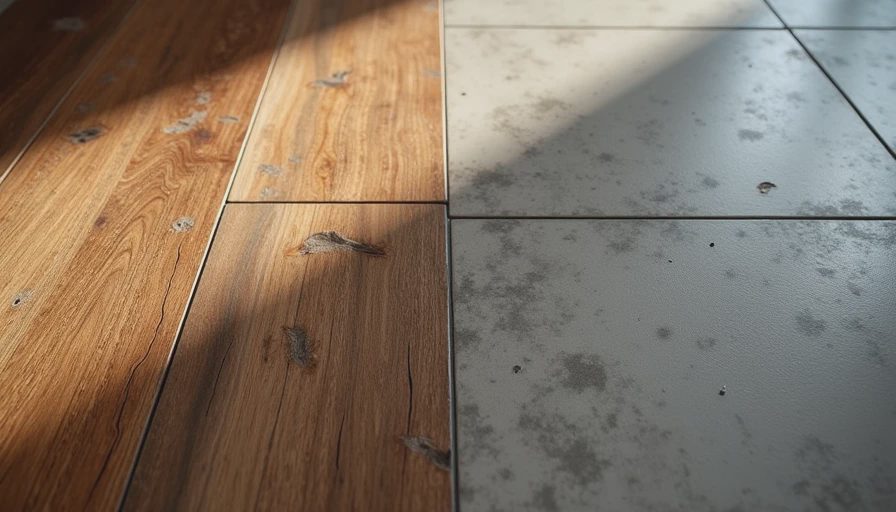
Ever seen a beautiful hardwood floor meet cheap tile with a plastic transition strip that’s already curling after six months? I have. Too many times. The details matter — mitered corners versus coped joints, proper expansion gaps, the right underlayment thickness. These aren’t sexy topics, but they’re what separate floors that last from floors that fail.
Your Floors Are a Long-Term Relationship
Unlike that trendy backsplash you’ll change in five years, floors are in it for the long haul. They see your kids learning to walk, your dog destroying the finish, and every spilled glass of red wine during book club. Choose wisely.
What You’ll Find Here (And What You Won’t)
You won’t find “10 Best Flooring Options for 2026.” Those lists are usually sponsored anyway.
What you will find:
Real cost numbers from actual jobs I’ve done
Honest breakdowns of when LVP makes sense and when it doesn’t
The stuff manufacturers don’t put in their glossy brochures
Stories from the job site that actually happened (some of them still make me laugh… or cringe)
I’ll talk about the Hall of Shame — my personal collection of spectacular failures and what I learned from them. Like the time I installed engineered hardwood in a house with no heat in January. Never again.
The Homeowner’s Questions I Actually Answer
Most flooring content talks at you. I want to talk with you.
Should you refinish or replace?
Is that waterproof marketing worth the premium?
Can you really install LVP over old tile?
How thick does it actually need to be?
I’ll give you my opinion based on what I’ve seen work (and fail) in real homes. Sometimes the answer is “call a pro.” Sometimes it’s “here’s exactly how to do this yourself and save money.” I’ll never pretend every project is a simple Saturday DIY.
My Promise to You
Every article here comes from experience, not theory. When I don’t know something, I’ll say so. If a product disappointed me on a job, you’ll hear about it. If I found a way to save homeowners money without sacrificing quality, I’ll share the details.
This site is for the 30-to-55-year-old homeowner who’s staring at questionable floors and doesn’t want to get taken for a ride. Whether you’re renovating a kitchen, finishing a basement, or buying a house with “character” (aka old floors), I’ve probably seen your situation before.
Let’s Get to Work
Your floors are taking a beating every day — from muddy boots, dropped toys, rolling chairs, and life in general. The least we can do is make sure they’re not also beating your wallet.
Stick around. Read the stories. Learn from my mistakes so you don’t have to make them yourself. And when you’re standing in the aisle at Home Depot wondering what the heck to do, remember there’s a guy who spent 18 years on his knees who’s got your back.
Floors take a beating every day. Don’t let them beat your budget too.
Travellers Write
No letters yet — be the first traveller to write.