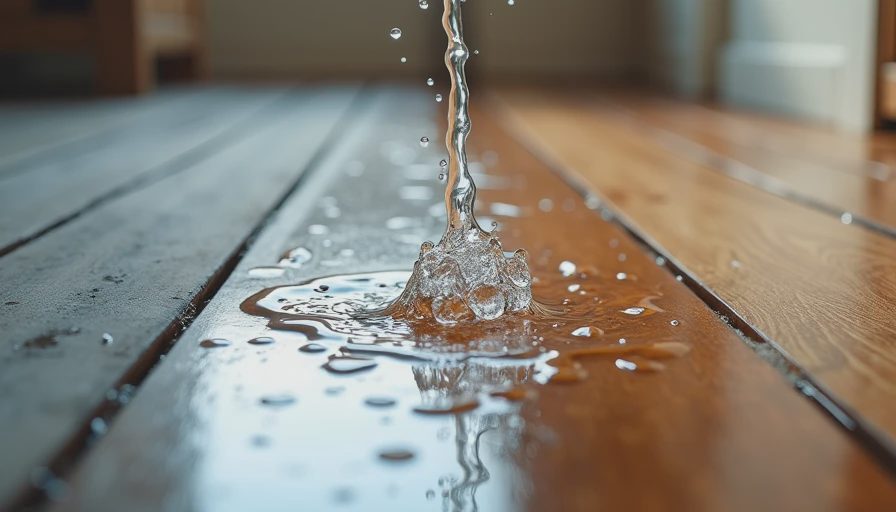
The Great Waterproofing Scam
I was walking through a big-box store last year when I overheard a salesman tell a young couple, “You absolutely need waterproof flooring with kids.” They walked out with the most expensive LVP in the store.
They didn’t need waterproof. They needed durable.
This happens constantly. Marketing has convinced homeowners that every floor must survive a flood. Reality is usually much more ordinary.
Floors take a beating every day. Don’t let them beat your budget too.
What “Waterproof” Actually Means
Most manufacturers define “waterproof” as the flooring surface not being damaged by standing water for a certain period. That’s very different from being able to survive a burst pipe or basement flood.
Here’s the practical breakdown:
True Waterproof Options
Most quality LVP/LVT with rigid cores
Porcelain and ceramic tile
Some premium sheet vinyl
Not Waterproof (But Often Good Enough)
Traditional hardwood and engineered hardwood
Cork
Bamboo
Most laminates
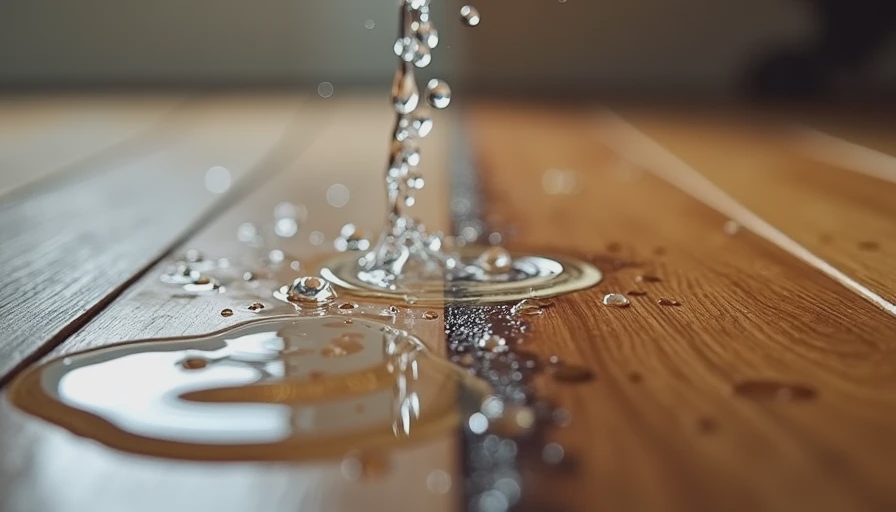
When Waterproof Actually Matters
I recommend truly waterproof flooring in these situations:
Basements with any history of moisture
Kitchens with heavy use and spill risk
Bathrooms (especially with kids or elderly)
Laundry rooms or mudrooms
Homes with pets that have occasional accidents
In these areas, the peace of mind is often worth the premium.
When Waterproof Is Overkill
For main living areas on the upper floors of a dry house, traditional hardwood or good engineered often performs better overall. The “waterproof” versions usually come with trade-offs in feel, sound, and long-term aesthetics.
I’ve installed non-waterproof engineered hardwood in living rooms that still look excellent after 12+ years with normal family use. No floods, just normal life.
The Marketing Reality Check
Companies push waterproof because it sells. It sounds reassuring. But many “waterproof” floors still fail at the seams or edges over time, especially cheaper ones. The core might survive water, but the locking system or finish can still be compromised.
Real durability comes from quality construction, proper installation, and realistic maintenance — not just a waterproof label.
My Decision Framework for Clients
When a homeowner asks about waterproofing, I ask them these questions:
What’s the actual risk level in this room?
How long do you plan to stay in the house?
What’s your maintenance willingness?
Are you okay with the look and feel of vinyl products?
The answers usually point to the right material without getting sucked into marketing hype.
The Honest Recommendation
For most main living areas: Go with the best quality non-waterproof option you can afford (good engineered or solid hardwood).
For high-risk areas: Choose quality waterproof products, but don’t cheap out — the performance difference between budget and premium waterproof is huge.
Don’t let fear-based marketing make the decision for you. Understand your actual needs and choose accordingly.
Floors take a beating every day. Don’t let them beat your budget too.

Travellers Write
No letters yet — be the first traveller to write.