If you're standing in the flooring aisle at Home Depot right now, staring at price tags that go from $2 to $15 a square foot, I get it. The decision between hardwood vs engineered vs laminate flooring is enough to make anyone's head spin. I've been installing all three for almost two decades, and I've seen homeowners make expensive mistakes because they didn't understand the real differences. Let me save you some cash and a lot of regret.
What's the Real Difference?
At its core, the choice comes down to three things: how much water your floors will see, how long you plan to stay in the house, and how much abuse they'll take. Hardwood is solid wood top to bottom—beautiful, refinishable, but temperamental with moisture. Engineered wood has a real wood veneer over a plywood base—more stable than solid, but only refinishable once or twice depending on the wear layer. Laminate is a printed photograph of wood over a fiberboard core—cheap, durable, and zero tolerance for standing water. I've pulled up all three from basements, kitchens, and living rooms, and I can tell you: the cheapest option isn't always the cheapest in the long run.
Hardwood Flooring: The Gold Standard
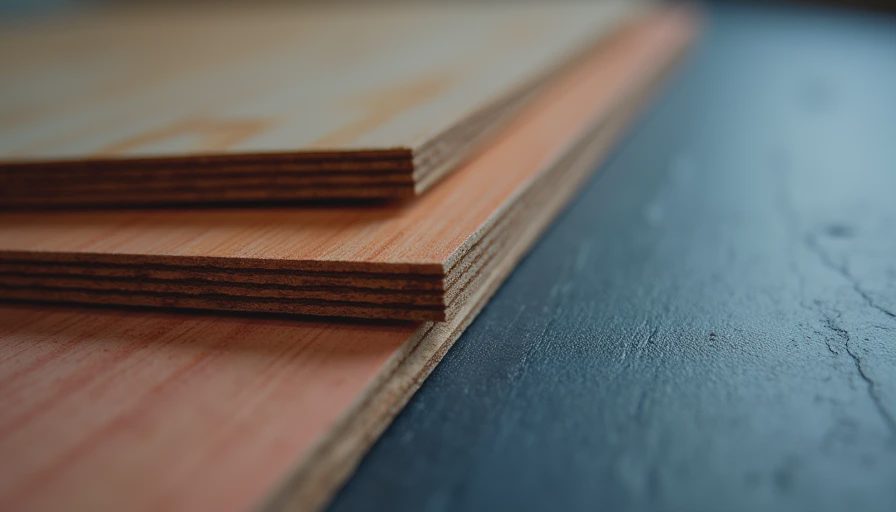
Solid hardwood is what most people picture when they dream of a new floor. Oak, hickory, maple—real wood that you can sand and refinish every 10 to 15 years for decades. I've refinished 100-year-old oak floors that looked brand new afterwards. But here's what nobody tells you: hardwood expands and contracts with humidity. Install it in a basement or a bathroom, and you'll be calling a floor guy within a year to fix gaps and cupping. I did a job back in 2019 where a homeowner insisted on solid oak in a below-grade family room. Nine months later, we ripped it out and put in LVP. That lesson cost them about $7,000.
Engineered Wood: The Stable Alternative
Engineered flooring takes a thin layer of real hardwood—usually 2mm to 6mm thick—and bonds it to multiple layers of plywood or HDF. That cross-ply construction makes it way more dimensionally stable than solid wood. You can glue it down over concrete slab, staple it over plywood, or float it over a foam underlayment. I put engineered red oak in my own dining room five years ago, and it's held up through two kids, a dog, and a spilled pitcher of iced tea. The catch: once that wear layer is sanded through, you're done. Most engineered floors can be refinished once, maybe twice. If you go cheap with a thin wear layer, you're basically buying laminate in disguise.
Laminate Flooring: Budget-Friendly but Not Wood
Laminate is not wood. It's a high-density fiberboard core with a photographic image of wood on top and a clear wear layer. Modern laminate is tough—some warranties go 25 years against wear. I've installed laminate in rental properties that saw tenants moving furniture and dropping pots, and it still looked decent after a decade. But water is its kryptonite. If a pipe bursts or a toilet overflows, laminate will wick moisture from the sides and swell like a sponge. I've seen laminate floors turn into potato chips overnight. It's also noisy and feels hollow underfoot compared to real wood. For a spare bedroom or a playroom? Fine. For a kitchen or entryway? Think hard.
Cost Comparison: What You'll Actually Pay
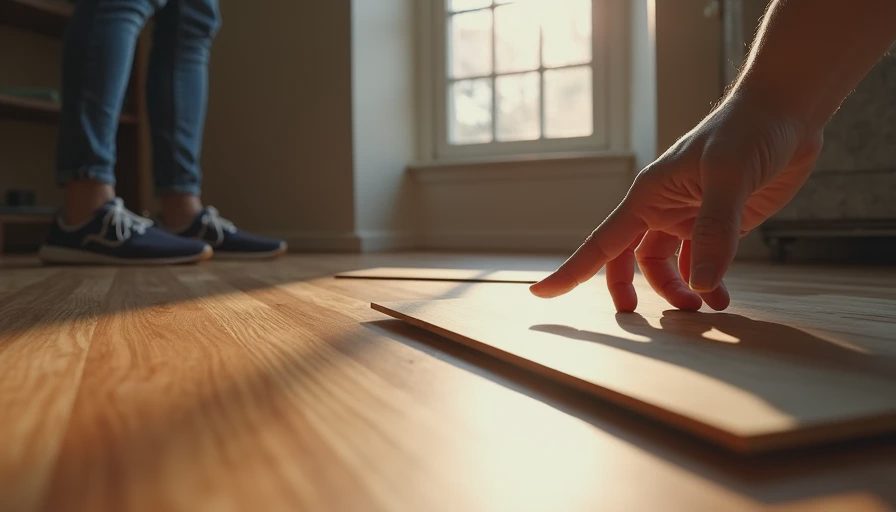
Let's talk real numbers. Hardwood starts around $5 to $8 per square foot for materials alone, plus $4 to $8 for installation. A 300-square-foot room runs $2,700 to $4,800 installed. Engineered runs $4 to $10 per foot for materials, $3 to $6 for install—total $2,100 to $4,800. Laminate is the cheapest: $1 to $4 for materials, $2 to $4 for install—total $900 to $2,400. But don't just look at the upfront cost. Hardwood can last 80+ years if maintained. Engineered lasts 20-40 years. Laminate? Maybe 15-20. If you're staying in the house for more than 10 years, hardwood or high-end engineered pays off.
Which One Should You Choose?
Here's my honest take: if you've got the budget and the room is on grade or above, go with solid hardwood. It's an investment that adds real value to your home. If you're installing over concrete slab or in a kitchen, go with a quality engineered with a thick wear layer (at least 4mm). Skip the cheap stuff—it's not worth it. If you're on a tight budget or flipping a property, laminate is fine, but plan to replace it in a decade. Whatever you pick, don't skimp on the subfloor prep. I've seen beautiful hardwood ruined because someone didn't notice a moisture issue. Trust me, the prep work is boring, but it's the only thing that keeps your floors looking good.
Maintenance and Longevity: What to Expect Over the Years
Understanding the long-term costs of each option is crucial when deciding between hardwood vs engineered vs laminate flooring. Hardwood floors need refinishing every 10 to 15 years, which costs about $3 to $5 per square foot. For a 300-square-foot room, that's $900 to $1,500 per refinish. Over 30 years, you might do that three times, adding $2,700 to $4,500 in maintenance. Engineered wood with a 4mm wear layer can be refinished once, maybe twice. That same room would cost $900 to $1,500 for one refinish. After that, you replace it. Laminate cannot be refinished—when it looks worn, you tear it out. A new laminate install every 15 years costs $1,800 to $3,000 per replacement, not counting removal. I've seen homeowners go with laminate to save money, only to pay more in the long run. Also, remember that real wood floors can increase your home's resale value by 2.5% to 5%, according to the National Association of Realtors. Laminate and engineered add less. So if you're planning to sell in 5 to 10 years, the choice between hardwood vs engineered vs laminate flooring can impact your asking price significantly.
TL;DR: Hardwood if you can afford it and the space allows. Engineered for basements and concrete. Laminate for short-term fixes. Measure twice, install once.

Travellers Write
No letters yet — be the first traveller to write.