The Call That Started Like Any Other
It was a chilly Tuesday morning in early spring. The homeowner, a nice lady in her fifties, had just bought this 1970s split-level and wanted all new flooring throughout the main level. She’d gotten quotes from three companies. Mine was in the middle.
“Should be straightforward,” I told her. “Pull the carpet, check the subfloor, install what you picked out.” Famous last words.
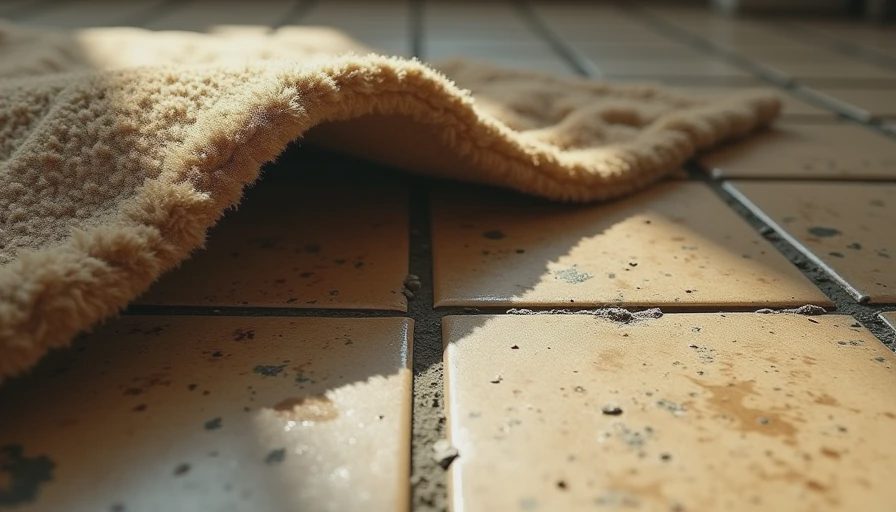
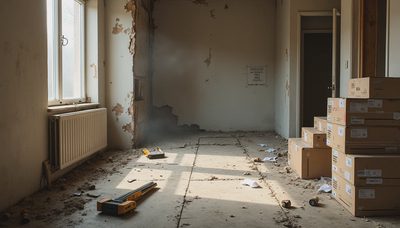
We arrived on site ready to work. Tools unloaded, tarps down, dust containment set up. My crew and I started in the living room. The carpet came up easily enough — typical 90s berber that had seen better days. But underneath…
Underneath was a sea of 12x12-inch vinyl tiles in that classic beige-with-specks pattern. I knew immediately what we were looking at. I’d seen it dozens of times before.
Floors take a beating every day. Don’t let them beat your budget too.
The Moment Everything Changed
I knelt down and gently pried up one of the loose corner tiles. The backing was brittle. The mastic underneath was that old black stuff that often contains asbestos. My stomach dropped a bit — not because I was scared, but because I knew this was about to get more complicated for the homeowner.
I called her over. “Ma’am, we’ve got older vinyl tile under here. It’s likely asbestos-containing material. We need to test it before we go any further.”
She looked surprised. Like most people, she had no idea this was even a possibility. The home inspector hadn’t mentioned it (common when it’s under carpet). The previous owners probably didn’t know either.
The test came back positive. Definitely asbestos.
What We Did Next (The Responsible Way)
I’ve been in this business long enough to know there are right ways and wrong ways to handle asbestos. We only do it the right way.
Step 1: Stop All Disturbance
We immediately stopped demolition. No aggressive scraping, no big clouds of dust. Safety first — for the crew and for the homeowner.
Step 2: Professional Testing and Consultation
We already had the lab results. I sat down with the homeowner and walked her through the options:
Full abatement by licensed professionals (expensive but thorough)
Careful encapsulation if the tiles were mostly intact
Leaving it in place and installing new flooring over it with proper barriers (sometimes viable)
In this case, because the tiles were loose in many areas and she wanted LVP throughout, we decided on professional abatement.
Step 3: Hire the Specialists
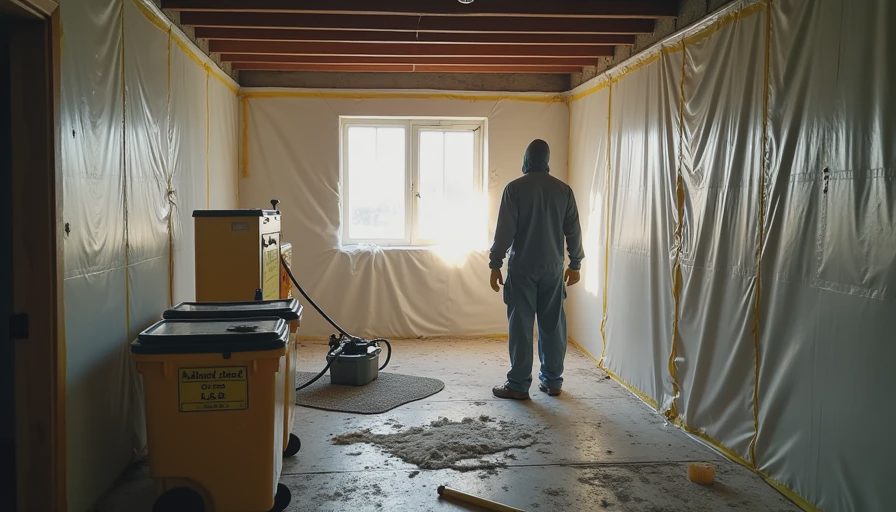
I called a trusted local abatement crew I’d worked with before. They came in with proper containment, negative air pressure, full PPE, and did the job safely over two days. Cost: about $3,800 for the main level.
Yes, it hurt the budget. But it was the right call.
Step 4: Proper Prep After Removal
Once the asbestos was gone and the area cleared, we dealt with the remaining mastic (which is a pain) and prepped the concrete slab properly. Moisture testing, leveling compound where needed, and then the new LVP went down beautifully.
The final result looked fantastic, and the homeowner could breathe easy knowing the hazard was properly handled.
What Homeowners Need to Know About Asbestos Tile
This wasn’t the first time I’ve run into old asbestos tile, and it won’t be the last. Here’s the practical knowledge I wish more people had:
Houses built before 1980 are most likely to have it
It’s usually safe if left undisturbed — the danger comes when fibers become airborne
Never try to remove it yourself — the health risks aren’t worth saving a few bucks
Not every old tile contains asbestos — but you should assume it does until tested
Many home inspectors miss it when it’s covered by carpet or other flooring
I’ve seen DIYers try to grind it up or pry it aggressively. Please don’t. The potential medical costs later in life far outweigh any short-term savings.
Other Surprises I’ve Found Under Carpet
Over 18 years I’ve found some wild things under old carpet:
Beautiful original hardwood that someone had covered up
Multiple layers of old linoleum with newspapers from the 1960s
Active water damage and mold that had been hidden for years
One memorable case of 1970s shag carpet over perfectly good tile (the homeowner was thrilled)
But asbestos is the one that requires immediate respect and proper handling.
The Bigger Lesson for Renovators
When you’re planning a flooring project, especially in older homes, build in some contingency budget and time. That “simple carpet removal” can turn into a multi-day process when hidden issues appear.
For this particular homeowner, the extra cost and delay were worth it. She ended up with safe, beautiful floors she could trust. And she told all her neighbors about the experience — which led to a couple more referrals for me.
My Advice If You’re Facing This Situation
Don’t panic — asbestos is manageable when handled correctly
Get professional testing early in the project
Hire qualified abatement if needed — don’t cheap out here
Budget 20-30% extra for surprises in older homes
Work with contractors who’ve seen it before
Doing it right the first time is always cheaper than doing it twice.
Walking Away From That Job
A few weeks after completion, the homeowner sent me photos of her new floors with her kids playing on them. No worries about what was underneath. That’s the kind of result that makes the tough days worth it.
Every old house has stories. Sometimes those stories are hidden under carpet. When you find them, handle them with care and move forward smarter.
Floors take a beating every day. Don’t let them beat your budget too.
Travellers Write
No letters yet — be the first traveller to write.