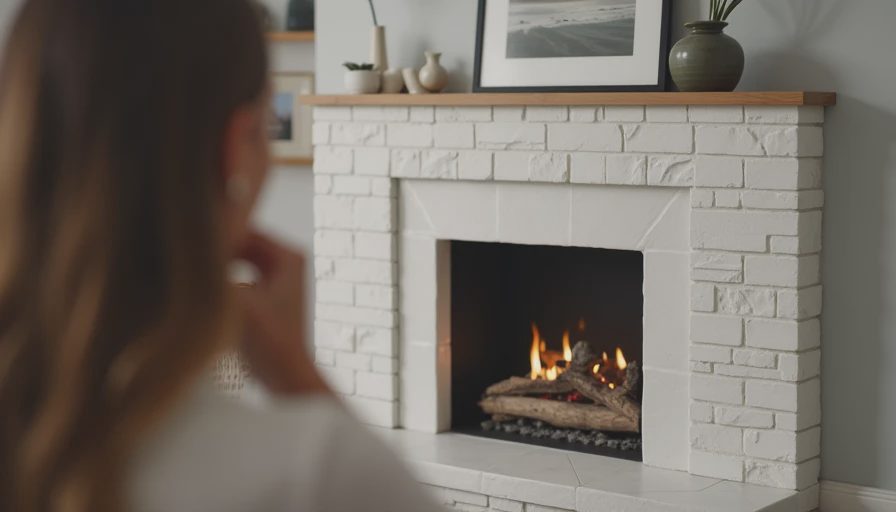
The first mistake I see is treating a fireplace like a backsplash. A porcelain tile fireplace surround is not just a pretty face; it has to handle heat, soot, drywall movement, and a lot of cleaning with a wet rag and not much patience. I’ve torn out enough bad jobs to know the cheap shortcut usually shows up fast: crooked lines, cracked grout, or a finish that looks good for six months and tired for the next ten years. If you want the room to look finished without lighting money on fire, porcelain is usually the smart place to start.
Porcelain tile fireplace surround: why it works
Porcelain earns its keep because it is dense, hard, and low porosity. That matters around a firebox where you get warm air, dust, and the occasional fingerprint from someone adjusting the mantel decor. Ceramic can work on a small surround, but porcelain gives you more abuse resistance and fewer worries if the room gets a lot of use. It also comes in better visuals than people expect now: stone looks, concrete looks, soft matte whites, and oversized slabs that make a fireplace read like architecture instead of patchwork.
The other reason I like it is simple maintenance. A smooth porcelain face wipes down better than stacked stone, reclaimed brick, or painted wood trim. If you live with kids, pets, or a wood-burning unit, that matters. A glossy surface can show smudges faster, so I usually steer homeowners toward matte or honed finishes. On a small hearth wall, material cost is not the monster. Labor is. A nice tile might run $4 to $12 per square foot, but the craft that makes it look straight and intentional is where the budget goes.
What the job really costs
For a typical living room fireplace, I usually see installed pricing land somewhere between $1,200 and $3,500 for a straightforward face and surround, with bigger custom jobs running higher if the wall is tall, the tile is large-format, or the old finish has to come off first. If you are covering an ugly brick face with a thin new layer, the price can look friendly until the prep bill shows up. Old mortar joints, cracked drywall, uneven framing, and questionable hearth extensions all eat time.
This is where homeowners get tripped up. They compare a $7 tile to a painted surround and call it expensive. That is not the comparison. The real comparison is between a clean, durable fireplace that lasts and a redo when the grout starts cracking because nobody flattened the wall first. A clean porcelain tile fireplace surround on cement board or another approved substrate is worth paying for because the labor is what buys you straight lines and tight edges. If you want the room to feel upgraded, spend the money on the prep, not on the fanciest tile box at the store.
If you are budgeting, think in three buckets: demolition, substrate repair, and finish work. Demo might be a few hundred bucks on a small project, but if the wall needs new backer board, corner bead, and fresh trim, the job climbs fast. I have seen homeowners save $600 by keeping the old brick face only to spend $1,400 later fixing the crooked reveal around the mantle. That is the kind of math that makes a man drink his coffee in silence.
The install details that separate good from ugly
The firebox itself is not the place to get creative. The surround needs proper clearance from the opening, and the exact rules depend on the appliance and the manufacturer’s specs. Around gas inserts and wood-burning units, I like to follow the manual first and my opinion second. Once the safe zone is established, the rest is about flatness and layout. A wall that is out of plane by even a quarter inch will make large porcelain tiles look like they were installed during an earthquake.
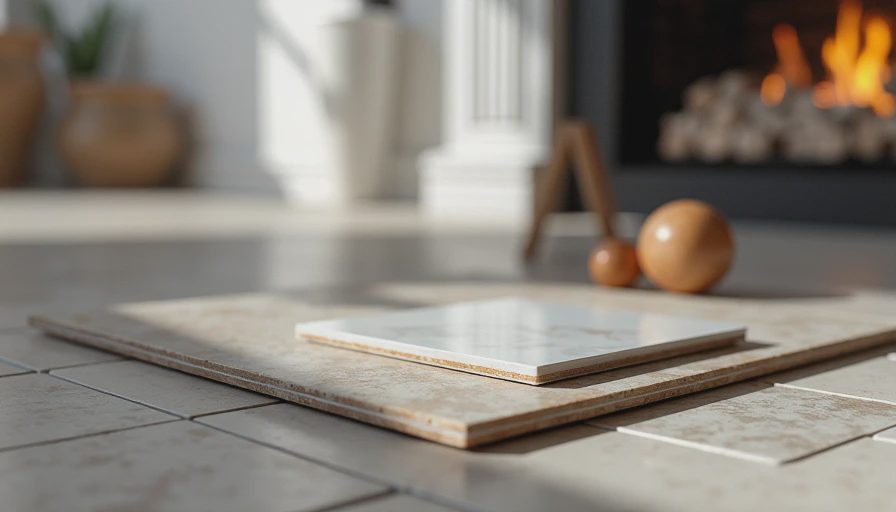
On a proper job, I want a solid substrate such as cement board where required, the right thinset for the tile size, and movement joints where the assembly needs room to breathe. Large-format tile often needs a medium-bed mortar or a mortar rated for bigger pieces, and that is not just contractor jargon. It keeps the tile from sinking while the mud cures. For trim, I like clean metal profiles from Schluter or a tight miter if the tile and installer can pull it off. A bad edge ruins the whole fireplace faster than almost anything else.
Grout joint size matters too. Too tight, and you fight lippage and crooked cuts. Too wide, and the face starts looking busy. On most fireplace faces, I prefer a joint that looks deliberate and can be cleaned without a toothbrush. Keep the color close to the tile if you want the surround to feel calm. Use contrast only if you want the fireplace to be the loudest thing in the room.
Style choices that look built in, not slapped on
The best-looking rooms usually keep the fireplace simple and let the proportions do the work. A porcelain tile fireplace surround can look high-end with a 24-by-48 tile, a stacked vertical layout, or a subtle stone pattern that matches the flooring and wall paint without copying them exactly. If the room already has busy cabinets, patterned rugs, or dark floors, I usually tell homeowners to calm the fireplace down. Too many competing textures make the space look like a sample board fell off the truck.
Color choice is where people save or waste money. Warm whites, soft gray-beige tones, and charcoal finishes age better than trendy blue-gray or high-gloss black unless the rest of the house is already modern. If the mantel is stained wood, a lighter tile gives you contrast. If the mantel is painted, a deeper porcelain face can anchor the room. I have seen a $9 tile look better than a $30 tile just because it fit the house.
The other design trick is scale. Small tile around a tall fireplace can look fussy. Bigger pieces make the whole wall feel more expensive because there are fewer joints and fewer places for the eye to snag. That matters in open-plan homes where the fireplace is visible from the kitchen and the front door. The goal is not to announce the material. The goal is to make the room look like it was always supposed to be there.
When to hire it out and when to stop overthinking it
If the wall is flat, the opening is simple, and you are working with a standard rectangular surround, a handy homeowner can tackle parts of it with enough patience. Once you get into a tall wall, a heavy slab look, a gas insert, or an existing brick face that is all over the place, hire a pro. I mean that. A sloppy fireplace is one of those things you stare at every night, which is a terrible place for a learning experience.
A good installer should talk about prep, not just tile. If someone gives you a price after five minutes and never mentions substrate, layout, or edge finish, keep your wallet closed. The right porcelain tile fireplace surround should look like it belongs to the house, not like it was chosen in a rush because the remodel budget was getting loud.
TL;DR: Build the base right, then install the porcelain tile fireplace surround. Call me crazy. Then call me after you get the estimate.



Travellers Write
No letters yet — be the first traveller to write.