The first thing homeowners get wrong about hardwood installation price is treating the flooring box as the whole bill. That $5-per-square-foot oak is only the beginning. Delivery, tear-out, subfloor repairs, installation, trim, transitions, and finish work can push a seemingly simple room into a much larger project. After 18 years of installing floors, I learned to price the ugly parts first. The pretty boards are rarely what wrecks the budget.
For a typical U.S. room, a realistic installed range is about $8 to $18 per square foot. Basic engineered flooring over a ready subfloor can land near the lower end. Wide-plank solid oak, difficult layouts, stairs, furniture moving, or extensive preparation can push the project past $20 per square foot. A 500-square-foot living room might therefore cost $4,000 to $9,000 before unusual repairs.
What the hardwood installation price usually includes
Most professional quotes combine three major pieces: material, labor, and preparation. Material commonly runs $3 to $12 per square foot for solid or engineered hardwood. Commodity red oak and standard engineered oak sit toward the lower end. Select-grade white oak, maple, hickory, long planks, specialty stains, and hand-scraped surfaces cost more. A recognizable brand such as Bruce, Anderson Tuftex, or Mohawk can offer different construction and finish levels, but the label alone does not guarantee a better installation.
Labor often runs $3 to $8 per square foot for a straightforward nail-down, staple-down, or floating installation. Glue-down work, diagonal layouts, borders, and rooms broken up by cabinets or fireplaces take longer. A small 120-square-foot bedroom may carry a minimum labor charge even when the square-foot rate looks reasonable. Contractors still have to load the truck, protect the house, set up tools, and dispose of debris.
Preparation is where the hardwood installation price starts moving. Removing carpet and pad may add $1 to $2 per square foot. Removing glued vinyl or old tile can cost considerably more. Baseboard removal, shoe molding, door trimming, and hauling debris are often separate line items. If a quote is dramatically cheaper than the others, ask whether these tasks were simply left out.
The subfloor decides whether the quote holds
Wood does not forgive a bad foundation. Before installation, the subfloor needs to be structurally sound, reasonably flat, dry, and clean. A floor that feels springy, squeaks across every joist, or has visible water damage needs attention before hardwood goes down. Covering those problems with expensive boards is how a new floor ends up sounding like a haunted staircase.
Minor leveling and screw-down work might add $300 to $800 in a medium room. Replacing damaged plywood can add $2 to $6 per square foot, depending on access and material. In older homes, I have opened floors and found plank subfloors with three different thicknesses, abandoned electrical holes, and one memorable coffee can used as a shim. Those discoveries do not fit neatly into an online calculator.
Moisture also matters, especially over concrete or in basements. Engineered hardwood is generally more stable than solid wood, but it is not waterproof. A contractor should test the subfloor and explain the installation method. If someone wants to install solid oak directly in a damp basement because it is on sale, that is not savings. That is a future removal job.
Solid hardwood versus engineered hardwood
Solid hardwood is milled from one piece of wood and can often be sanded and refinished multiple times. It is a strong choice for above-grade rooms with stable conditions. Typical hardwood installation price for solid oak, including installation, falls around $9 to $16 per square foot in many markets, before major repairs or premium patterns.
Engineered hardwood uses a real wood wear layer over layered plywood or composite construction. Good engineered flooring handles seasonal movement better and can work in some areas where solid wood is a poor choice. Installed pricing often falls around $8 to $15 per square foot, though premium products can exceed solid oak. The wear layer matters: a thin decorative layer limits future refinishing, while a thicker layer gives the floor more service life.
I used engineered oak throughout my own house because the seasonal movement was easier to manage, and I wanted fewer surprises around the kitchen. The material cost was not the lowest, but the installation was predictable. Predictable is a beautiful word when your budget is attached to the job.

Three realistic project examples
A 300-square-foot bedroom with carpet removal, standard engineered oak, and a mostly flat plywood subfloor might run $2,400 to $4,200. That puts the hardwood installation price near $8 to $14 per square foot. Add baseboard replacement and furniture moving, and the total can rise by several hundred dollars.
A 700-square-foot first floor with solid red oak, multiple doorways, kitchen cabinets, and moderate leveling could land between $7,000 and $11,500. The hardwood installation price is higher because the crew spends time on layout, transitions, trim, and preparation rather than simply working across an empty rectangle.
A 1,200-square-foot whole-house project with premium engineered planks, stairs, tear-out, and damaged subfloor sections can reach $14,000 to $24,000. That is a wide range, but the details are doing the work. Stairs alone may add $100 to $250 per tread, and custom nosing costs more than ordinary field boards.
How to compare estimates without getting fooled
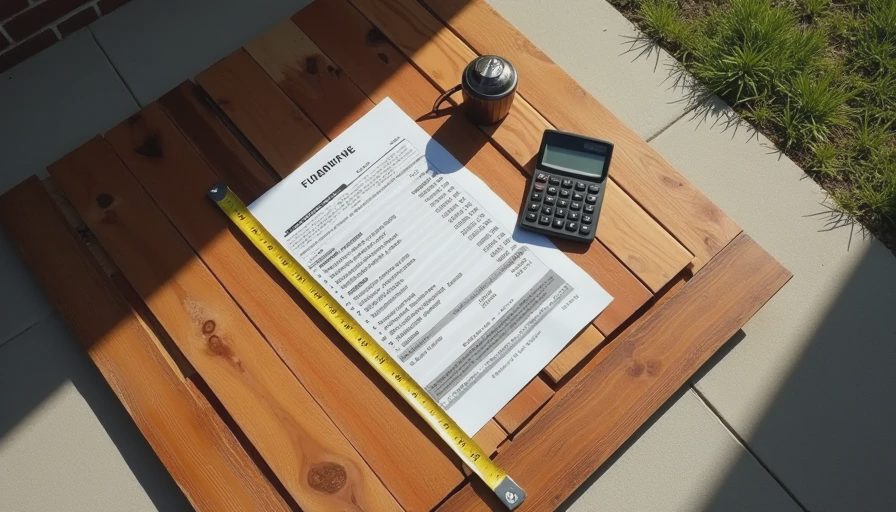
Ask every contractor for the same information in writing. The hardwood installation price should identify the exact product, square footage, waste allowance, installation method, adhesive or fasteners, moisture testing, subfloor repairs, trim, transitions, delivery, cleanup, and payment schedule. Hardwood usually requires extra material for cuts and defects; a waste allowance around 5% to 10% is common, with more needed for diagonal or herringbone layouts.
Do not compare a materials-only quote with a fully installed proposal. Also ask who handles acclimation, which means allowing the flooring to adjust to the home's conditions before installation when the product requires it. Ask how long the room stays out of service and whether the crew protects cabinets, walls, and finished surfaces.
A low bid can be perfectly legitimate if the room is simple and the installer is efficient. It can also mean no insurance, no dust control, weak preparation, or a vague allowance for repairs. I once underbid a refinishing job because I trusted a seller's claim about the old finish. Three extra days of scraping erased my profit. That mistake taught me to inspect first and promise second.
When refinishing beats replacement
If you already have solid hardwood, calculate refinishing before accepting a tear-out recommendation. Sanding and finishing often costs about $3 to $8 per square foot, depending on repairs, stain, coating, and room size. A scratched but thick oak floor may have years left after refinishing. Replacing it could cost $10,000 or more in a whole-house project, plus disposal and new trim.
Replacement makes sense when boards are badly warped, repeatedly water-damaged, too thin to sand safely, or patched so heavily that the finished appearance will remain uneven. It also makes sense when the existing layout creates problems that a new floor can solve. But do not remove usable hardwood just because the color is dated. A new stain and finish can change a tired honey oak floor dramatically for a fraction of the replacement hardwood installation price.
Get one quote for restoration and one for replacement. Look at the five-year cost, not just today's invoice. Floors take a beating every day. Don't let them beat your budget too.
TL;DR: Check the subfloor and price refinishing before replacing anything; the cheapest hardwood installation price is the one that includes every ugly detail upfront.


Travellers Write
No letters yet — be the first traveller to write.