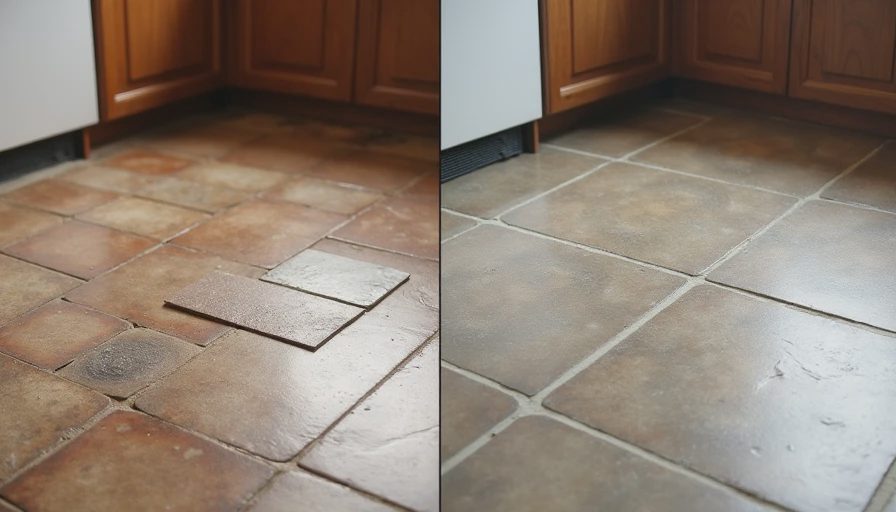
The Kitchen Job That Split My Opinion
A few years back I had two similar kitchen jobs within the same month. Both had dated ceramic tile from the 1990s that the homeowners hated. One family wanted it completely removed. The other asked if we could just float new LVP over it to save time and money.
I did both. Three years later the results told very different stories.
Floors take a beating every day. Don’t let them beat your budget too.
Option 1: Full Tile Removal — The Cleaner but More Expensive Path
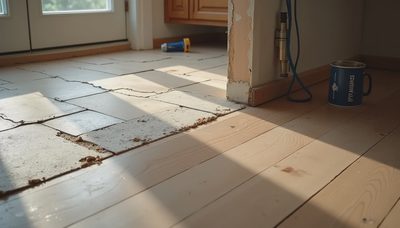
On the first job we demoed the old tile completely. That meant:
Breaking up and hauling away hundreds of pounds of ceramic
Dealing with stubborn thinset adhesive
Repairing and leveling the subfloor
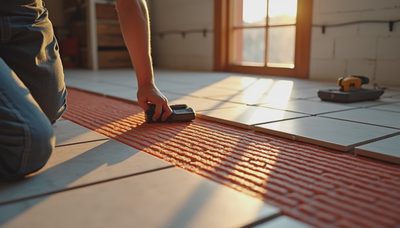
Installing new LVP on a fresh, flat surface
Pros:
Best long-term result
Proper height transitions to adjacent rooms
No risk of old tile movement affecting the new floor
Cleaner overall feel
Cons:
Much more expensive (demo + disposal + extra labor)
Longer timeline and more dust
Higher chance of finding surprises underneath
Total cost difference was about $3,200 more than the overlay option on a 180 sq ft kitchen.
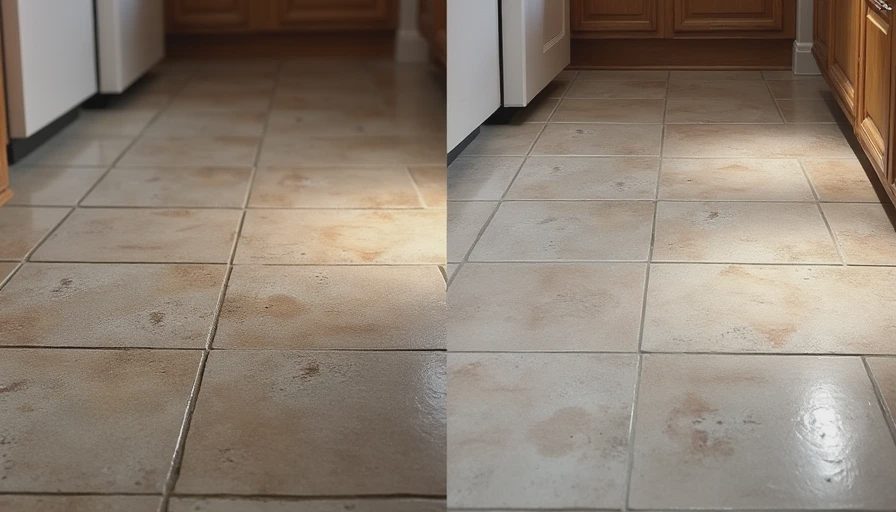
Option 2: Floating LVP Over Existing Tile — The Shortcut
On the second job we prepped the old tile as best we could — deep cleaning, grinding down high spots, filling low areas, and laying a quality underlayment before floating the LVP.
What happened by year three:
The floor still looked good overall, but there were a few issues. Minor telegraphing of some grout lines in certain lighting. One area near the sink showed slight movement where the old tile had a weak spot. The homeowner was mostly happy but wished they had removed the tile.
My Honest Year 3 Comparison
Full removal job (Year 3):
Still looked nearly new
No movement or telegraphing
Clean transitions to other rooms
Homeowner extremely satisfied
Overlay job (Year 3):
Generally good appearance
Some visible imperfections under critical lighting
Minor performance issues in high-moisture area
Homeowner satisfied but not thrilled
The difference wasn’t night and day, but it was noticeable to anyone who lives with the floor daily.
When I Recommend Overlaying Old Tile
I will still do LVP over old tile in these situations:
Budget is very tight
The existing tile is well-bonded and level
Timeline is critical (quick flip or rental)
The tile is on a solid concrete slab with no major issues
Homeowner understands the trade-offs
When I Strongly Recommend Removal
Wood subfloors (risk of trapped moisture)
Uneven or damaged tile
High-traffic or high-moisture areas (kitchens, bathrooms)
Homeowners planning to stay long-term
When the finished height difference would look awkward
Practical Prep Tips If You Choose to Overlay
If you decide to go the overlay route, don’t skip these steps:
Deep clean the old tile thoroughly
Grind down any high spots or lips
Fill low spots with leveling compound
Use a high-quality underlayment with moisture barrier
Leave proper expansion gaps
Use thicker, more rigid LVP (10mm+ recommended)
The Cost vs Longevity Math
On most jobs, removing old tile adds $2–$5 per sq ft to the project. For a typical kitchen or bathroom, that’s $1,500–$4,000 extra. Is it worth it? Usually yes if you plan to stay in the house more than 5–7 years. For shorter timelines, the overlay can make financial sense.
My Bottom Line After Doing Both
I prefer full removal when possible. The cleaner install and peace of mind are worth the extra cost for most homeowners. But I’m also realistic — sometimes budget and circumstances make overlay the practical choice.
Know the trade-offs going in. Don’t let anyone tell you it’s always fine to float over old tile. It can work, but it’s rarely the absolute best long-term solution.
Floors take a beating every day. Don’t let them beat your budget too.

Travellers Write
No letters yet — be the first traveller to write.