The Day I Stopped Trusting the Sample Boards
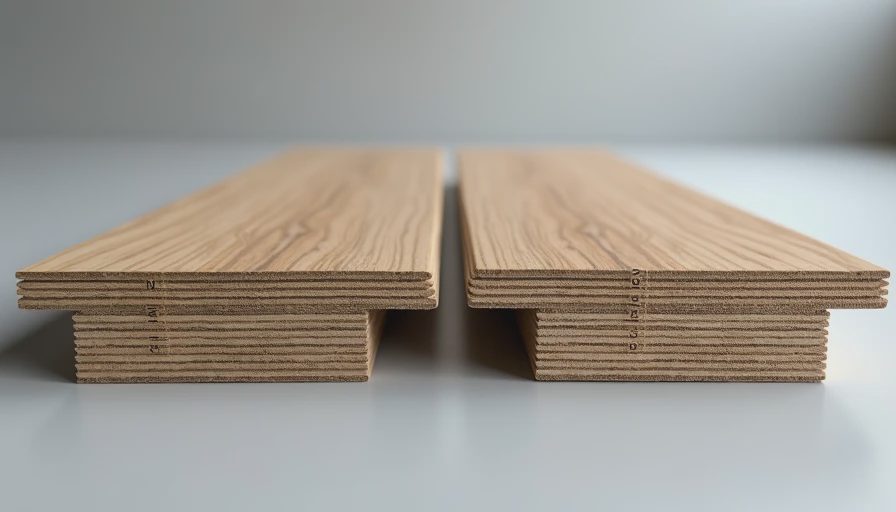
I was in a big-box store a few years ago watching a salesman pitch a young couple. He held up a 7mm plank next to a 12mm one and said, “Honestly, you can’t tell the difference once it’s down.” The couple bought the cheaper 7mm option to “save money.”
Sixteen months later I got the call to fix peaking planks and worn edges in their high-traffic hallway. That “savings” turned into an expensive repair job. I’ve seen this story play out too many times.
After installing both thicknesses across dozens of homes, I can tell you the sales guy is wrong. The difference is real — and it’s not just about how it feels in your hand.
Floors take a beating every day. Don’t let them beat your budget too.
What the Numbers Actually Mean
Let’s cut through the marketing fluff.
7mm LVP typically includes:
Thin wear layer (often 12-15 mil)
Basic core
Attached underlayment that’s usually minimal
12mm LVP (especially the better ones) usually offers:
20-30+ mil wear layer
Rigid composite core
Better sound absorption and stability
I’ve installed 7mm in low-traffic guest bedrooms where it still looks decent after four years. In family rooms and kitchens? The 12mm versions hold up dramatically better.
Real-World Performance Differences
Durability Under Traffic
The thicker plank with a better wear layer simply lasts longer when life happens. Kids running, dog nails, dining chair legs, spilled snacks — all of it. I’ve seen 7mm floors develop visible wear patterns in high-traffic pathways within 2–3 years. Good 12mm LVP often looks fresh at the 5–7 year mark.
One client replaced their entire main floor with premium 12mm after their 7mm started showing wear. The new floor still looks excellent three years later. The difference in daily satisfaction is huge.
How It Handles Imperfect Subfloors
Here’s something the sales guy definitely won’t emphasize: thicker, more rigid LVP hides subfloor imperfections better. That slight dip or hump in the concrete? 7mm will telegraph it. 12mm with a solid core bridges minor issues more gracefully.
I learned this installing over an older slab that wasn’t perfectly flat. The 7mm version I tried first showed every bump. Switching to 12mm solved most of the visual issues without needing extensive self-leveling.
Sound and Feel
Walk across a 7mm floor in a big empty room and you’ll hear that hollow plastic sound. The 12mm with better core and underlayment feels more substantial and quiets the space noticeably. My own house test lab (thanks, Jen) proved this over time.
Cost vs Value Reality Check
Yes, 12mm costs more upfront. Often 30-60% more per square foot. But let’s run the numbers like I do for clients:
Example 1,000 sq ft project:
Quality 7mm LVP installed: ~$4.50–$6.50/sq ft
Good 12mm LVP installed: ~$6.50–$9.00/sq ft
The difference might be $2,000–$3,000 on the whole job. But if you have to replace the 7mm in year 5 instead of year 12, you’re looking at another full install cost plus the hassle of moving everything again.
In most mid-range homes, the thicker option pays for itself in longevity and reduced headaches.
When 7mm Is Actually Fine
I’m not here to say you should always buy the most expensive option. There are situations where 7mm makes perfect sense:
Guest bedrooms or low-traffic areas
Rental properties with shorter-term horizons
Tight budgets where appearance for the next 3–5 years is the priority
Temporary solutions while saving for a bigger renovation
The key is being honest about how your household actually lives.
What to Look For Beyond Thickness
Thickness isn’t everything. I also evaluate:
Wear layer thickness in mils (this is crucial)
Core composition — rigid core is better
Quality of the click-lock system
Underlayment quality (or lack thereof)
Warranty terms (read the fine print)
I’ve installed some 8-9mm products that outperformed cheap 12mm ones because the materials and construction were better.
My Recommendation After 18 Years
For most primary living areas in owner-occupied homes, step up to at least 10-12mm with a solid wear layer. The difference in daily enjoyment and long-term performance is worth it.
For secondary spaces or tight budgets, 7mm can work if you buy quality and install it properly over a well-prepped subfloor.
Don’t let the sales guy decide based on what’s on promotion that week. Ask questions. Feel the samples. Think about how your family actually uses the space.
Your floors will be down a long time. Make the choice that matches your real life, not just the showroom fantasy.
Floors take a beating every day. Don’t let them beat your budget too.

Travellers Write
No letters yet — be the first traveller to write.