The Job That Changed My Mind About Bamboo
About eight years ago I installed beautiful strand-woven bamboo throughout a new construction home. The homeowner loved the look and the “green” story. It went down smoothly and looked fantastic on move-in day.
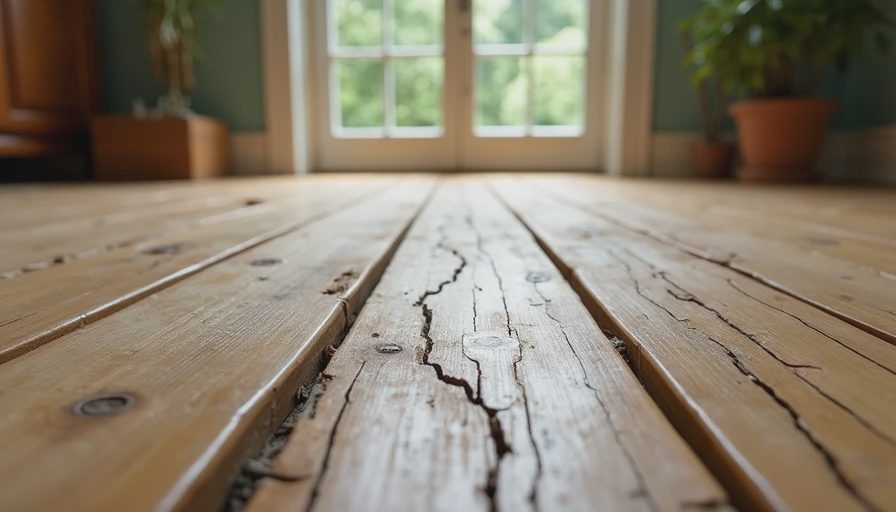
Three years later I got the call. The floors were cupping badly in the kitchen and hallway. Expansion gaps had closed up. Some planks were delaminating at the edges. The client was understandably upset, and I didn’t have a great answer for them.
That job was the beginning of the end for me and bamboo. After seeing similar issues on multiple projects, I made the decision to stop installing it.
Floors take a beating every day. Don’t let them beat your budget too.
Reason #1: Dimensional Stability Problems
Bamboo is a grass, not a traditional hardwood. That difference matters more than marketing wants you to believe.
Bamboo expands and contracts more dramatically with changes in humidity than most hardwoods. In the Midwest, where summers are humid and winters are dry with forced heat, this creates real problems.
I’ve seen bamboo floors buckle in summer and shrink with visible gaps in winter. Even high-quality strand-woven versions struggle compared to good oak or maple.
Reason #2: Durability and Wear Layer Issues
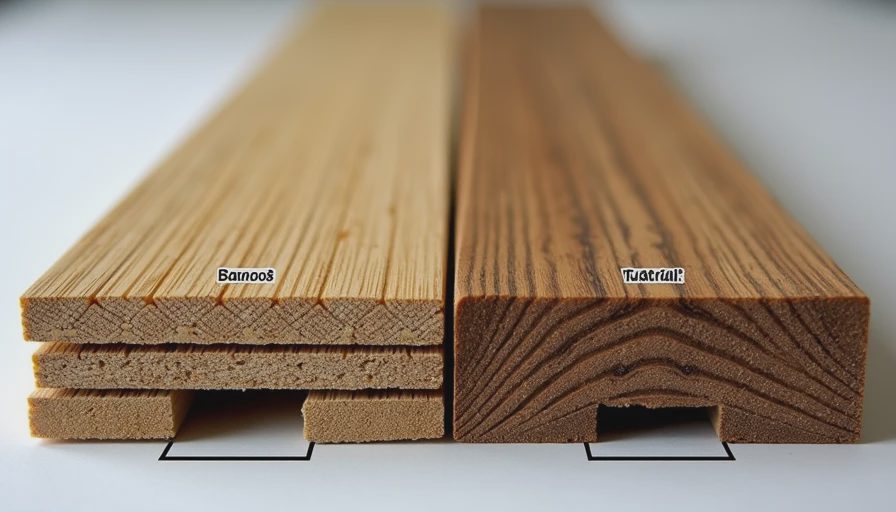
Many bamboo products come with thin wear layers that don’t hold up well under real family life. Scratches show more easily than on traditional hardwood, and refinishing options are limited.
I refinished one bamboo floor after five years. It looked okay for about a year, then started showing wear again. The structure of bamboo makes it trickier to sand and refinish multiple times compared to solid hardwood.
Reason #3: Long-Term Performance and Resale Reality
Here’s the part manufacturers don’t emphasize: bamboo has a mixed reputation in the resale market. Some buyers specifically avoid it because of the stability stories they’ve heard.
When I talk to real estate agents, they often say traditional hardwood has broader appeal and holds value better. For homeowners planning to stay 10+ years, that matters.
Where Bamboo Still Makes Sense
I’m not saying bamboo is evil. It can work in specific situations:
Very stable climates with good humidity control
Low-traffic areas
Rental properties with shorter time horizons
Homeowners who prioritize the eco-story above longevity
But for most families in typical Midwestern homes, I now steer them toward better-performing alternatives like engineered hardwood or quality LVP.
Better Alternatives I Recommend Instead
Engineered hardwood with thicker wear layers
Quality LVP with rigid cores for moisture-prone areas
Traditional solid hardwood where budget and structure allow
Each has trade-offs, but in my experience they outperform bamboo in real homes over time.
What the Marketing Doesn’t Show You
Bamboo looks gorgeous in showrooms and magazine spreads. The sustainability angle is compelling. But after the install, real life — kids, pets, humidity swings, dropped objects — reveals the weaknesses.
I’ve installed every major category over 18 years. My opinions come from floors I’ve walked on years after the job was done.
My Honest Advice to Homeowners
If a salesperson pushes bamboo hard, ask them these questions:
How has this product performed in this climate after 5+ years?
What are realistic maintenance expectations?
What are the refinishing limitations?
Then compare the real-world answers to other options.
Final Thoughts
Bamboo taught me an important lesson: “eco-friendly” doesn’t automatically mean “best choice for your home.” Sometimes the more traditional options are traditional for good reason.
I still believe in making sustainable choices, but not at the expense of performance and homeowner satisfaction. Your floors need to live with your family every day for years. Choose materials that are up to that challenge.
Floors take a beating every day. Don’t let them beat your budget too.
Travellers Write
No letters yet — be the first traveller to write.