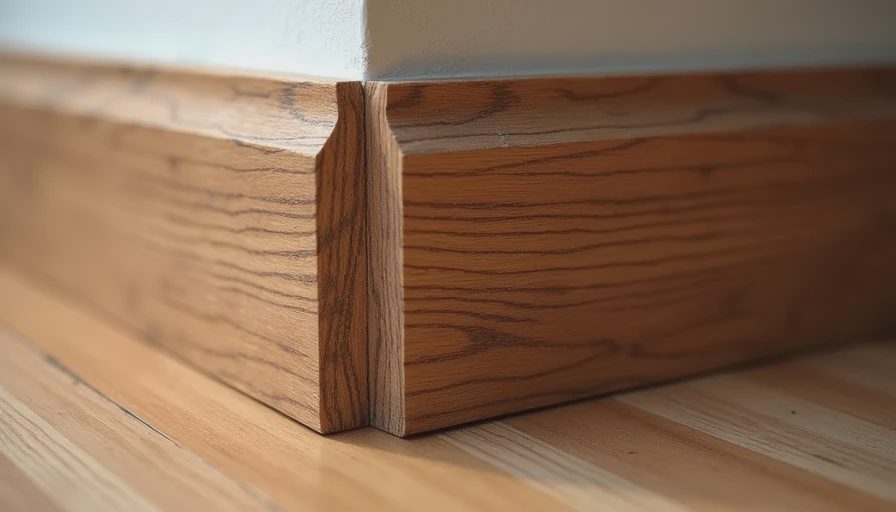
The Corner That Almost Ruined a Perfect Floor
We had just finished sanding and finishing a beautiful 1920s oak floor. The new hardwood baseboards looked clean with crisp mitered corners — until summer humidity hit. One inside corner opened up just enough to cast a shadow and ruin the seamless look. The homeowner noticed immediately.
That job taught me a lesson I’ve never forgotten: the right corner joint technique can make or break the final appearance of your flooring project.
Floors take a beating every day. Don’t let them beat your budget too.
What Mitered and Coped Corners Actually Are
Mitered Corners
Both pieces of baseboard are cut at 45-degree angles and joined to form a clean corner. It looks perfect on day one when everything is new and dry.
Coped Corners
One piece is cut square and butted against the wall. The other piece is coped — carefully cut with a coping saw to match the exact profile of the first piece. It creates a tight mechanical joint that follows the natural contours.
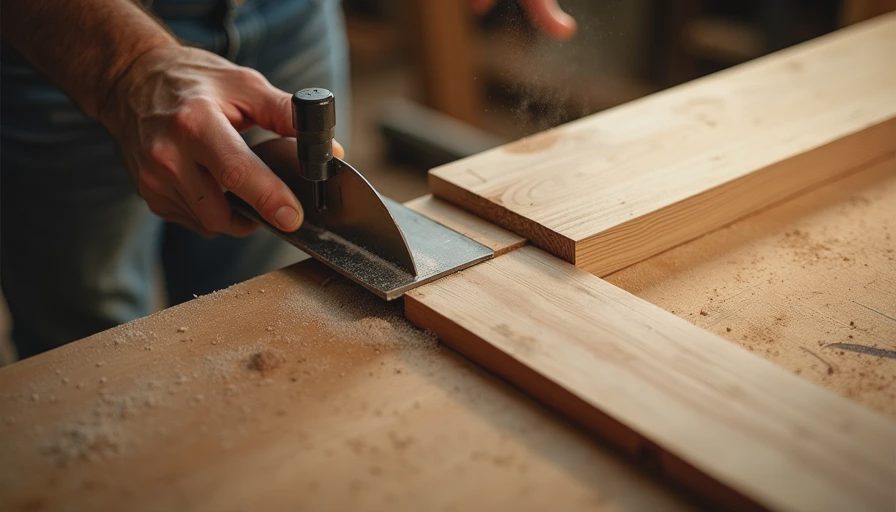
Why I Usually Prefer Coped Joints on Hardwood Base
After installing base in hundreds of homes, here’s my honest take:
Advantages of coped corners:
Better at handling seasonal movement of wood
Hides gaps better as houses settle
Looks more professional and custom
Stronger long-term joint in most conditions
When mitered corners are acceptable:
Very stable, newer construction with minimal movement
Painted base (easier to caulk and touch up)
Tight timelines where speed matters more than longevity
On stained or natural hardwood base, I almost always cope inside corners. The difference becomes obvious after the first heating season.
Real Job Site Lessons
I once did a full-house renovation in an older St. Louis home with wide plank engineered hardwood. The crew used all mitered corners to save time. Six months later I was back fixing three opened corners. We recut and coped them properly. The homeowner was much happier with the final result.
On the flip side, I’ve seen beautiful coped work hold up for over a decade with almost no visible movement.
How to Cope a Corner (Basic Steps)
While I usually recommend hiring a pro for trim work, here’s the basic process:
Install one baseboard piece square into the corner
Take the mating piece and cut a 45-degree miter first
Use a coping saw to carefully follow the exposed profile
Fine-tune with a file or sandpaper for a snug fit
Test fit before nailing
It takes practice. Good carpenters make it look easy.
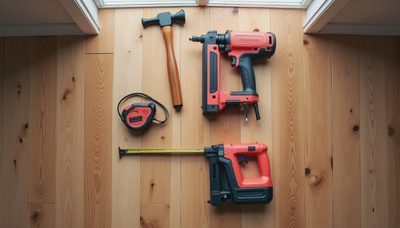
Tools That Actually Matter
Sharp coping saw with fine teeth
Good miter saw for accurate 45s
Files, rasps, and sandpaper for fine tuning
Quality wood glue for extra security on the coped joint
Don’t cheap out on blades. A dull coping saw turns this into pure frustration.
Modern Alternatives and When to Use Them
Some newer installs use pre-made corner blocks or decorative rosettes. These can look good in certain traditional styles but often feel like a shortcut on higher-end hardwood jobs.
Paint-grade MDF base is more forgiving with mitered corners because you can caulk and paint over small gaps. Real wood demands more precision.
My Recommendation for Most Homeowners
For natural or stained hardwood base:
Cope all inside corners
Miter outside corners
Use quality material and proper installation technique
If you’re on a tight budget or timeline, mitered corners with good caulking can work, especially if painted. Just know they may need touch-ups down the road.
The Bigger Picture for Your Flooring Project
Good base details separate amateur jobs from professional ones. When visitors walk into your house, those corners are part of what they notice subconsciously. Doing them right adds real perceived value to your home.
The extra time invested in proper coped corners pays off in longevity and appearance. Your floors deserve that level of care.
Floors take a beating every day. Don’t let them beat your budget too.
Travellers Write
No letters yet — be the first traveller to write.