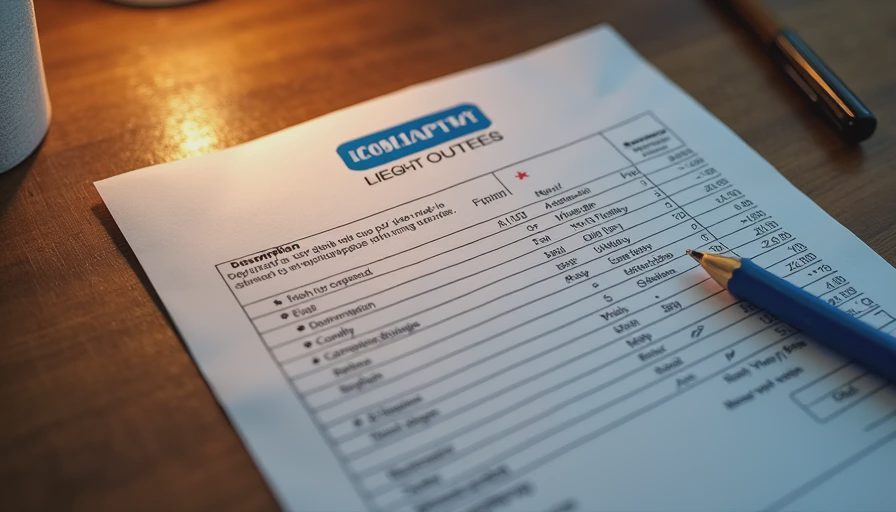
The $14,000 Estimate That Made No Sense
A few years ago a homeowner emailed me a quote he’d received for refinishing 1,400 square feet of hardwood. The total? $14,200. That number was almost double what I knew was reasonable for the job.
When I reviewed the line items, it became obvious: they were charging premium rates for basic sanding, adding mysterious “prep fees,” and padding the finish coats. The homeowner was ready to pay it because “that’s what flooring costs, right?”
I walked him through the estimate the way I read them on job sites. We found $6,000 in fluff. He ended up hiring my crew for a fair price and got better work. Stories like this happen every week in this industry.
Floors take a beating every day. Don’t let them beat your budget too.
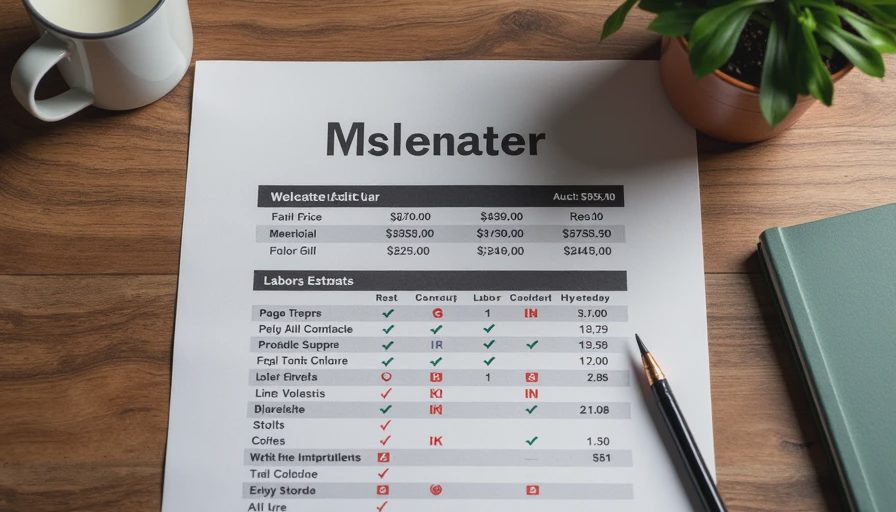
Why Most Estimates Are Confusing on Purpose
Flooring contractors speak their own language. Vague line items, industry jargon, and buried costs are common. The goal of this article is to give you the translator’s key so you can read any estimate with confidence.
Breaking Down a Typical Flooring Estimate
Here’s how I analyze every quote that crosses my desk:
1. Scope of Work — The Most Important Section
Look for clear descriptions like:
Exact square footage being covered
What’s included in demo (carpet removal, old adhesive, etc.)
Subfloor preparation details
Type and grade of new material
Number of finish coats and sheen level
Vague phrases like “install flooring as discussed” are red flags. Good estimates are specific.
2. Material Costs vs Labor Costs
Legitimate estimates usually separate these. If everything is lumped together, ask for a breakdown. I typically see material costs at 40-60% of the total on larger jobs.
3. Hidden or “Miscellaneous” Fees
Watch out for:
“Site prep fee” with no explanation
Disposal charges that seem high
“Trip charges” or fuel surcharges on local jobs
Change order protection clauses that favor the contractor
I once saw an estimate with a $1,800 “protection fee” that was never clearly explained. When questioned, it disappeared.
Red Flags That Should Make You Walk Away
No square footage measurements or they seem inflated
Extremely low price with premium materials (probably cheap substitutes)
Pressure to sign immediately
No detailed warranty information
Cash-only discounts that seem too good to be true
Missing permits or code compliance language on bigger jobs
What a Fair Hardwood Refinish Estimate Looks Like
For a standard 1,200 sq ft oak floor in good condition (2026 pricing):
Sanding & screening: $1.50 – $2.50/sq ft
Staining (if needed): $0.75 – $1.50/sq ft
Finish coats: $1.25 – $2.00/sq ft
Total: $3.50 – $6.00/sq ft installed
Anything significantly higher should have a clear justification.
Questions You Should Ask Before Signing
How many times will you sand the floor?
What brand and type of finish are you using?
Who is doing the actual work — employees or subcontractors?
What happens if we find subfloor issues during demo?
How long is the warranty and what does it cover?
What is your cleanup and dust containment process?
A good contractor welcomes these questions. If they get defensive, that’s valuable information.
My Personal Checklist Before I Hire Someone
Even as a contractor myself, when I need work done on my own house I use this list:
Verify licensing and insurance
Check recent reviews from real customers
Ask for references on similar jobs
Get everything in writing
Never pay more than 30-40% upfront
The Bottom Line on Flooring Estimates
Learning to read estimates like a contractor doesn’t mean you have to become one. It means you can make informed decisions and avoid the worst mistakes. A fair price for good work is worth it. An inflated price for average work is not.
Take your time. Compare multiple bids using the same scope. Ask questions until you understand every line. Your floors — and your bank account — will be better for it.
Floors take a beating every day. Don’t let them beat your budget too.

Travellers Write
No letters yet — be the first traveller to write.