The Callback That Cost Everyone Money
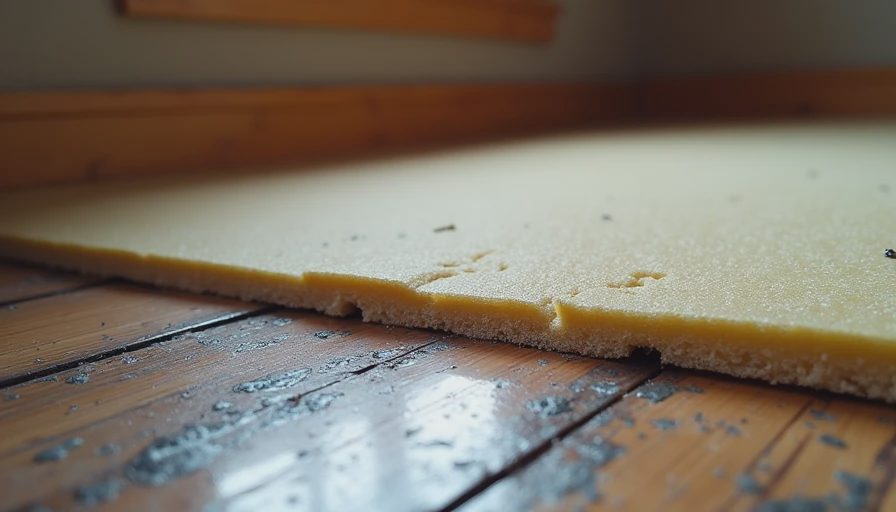
I got a frantic call from a homeowner two and a half years after installing LVP in their basement. The floor was creaking badly, some planks were loose, and there was a noticeable hollow sound when walking.
When I pulled up a few planks, the culprit was obvious: the bargain-bin underlayment had compressed and deteriorated. What was supposed to be a $450 savings turned into a $3,800 repair job.
Floors take a beating every day. Don’t let them beat your budget too.
What Underlayment Actually Does
Good underlayment isn’t just padding. It:
Absorbs sound
Provides cushioning and support
Acts as a moisture barrier
Helps the flooring click together properly
Compensates for minor subfloor imperfections
Cheap underlayment usually fails at most or all of these tasks within a few years.
The Price Difference in Real Numbers
For a typical 1,200 sq ft job:
Cheap Underlayment:
Cost: $0.35 – $0.60 per sq ft
Total: $420 – $720
Quality Underlayment:
Cost: $0.85 – $1.50 per sq ft
Total: $1,020 – $1,800
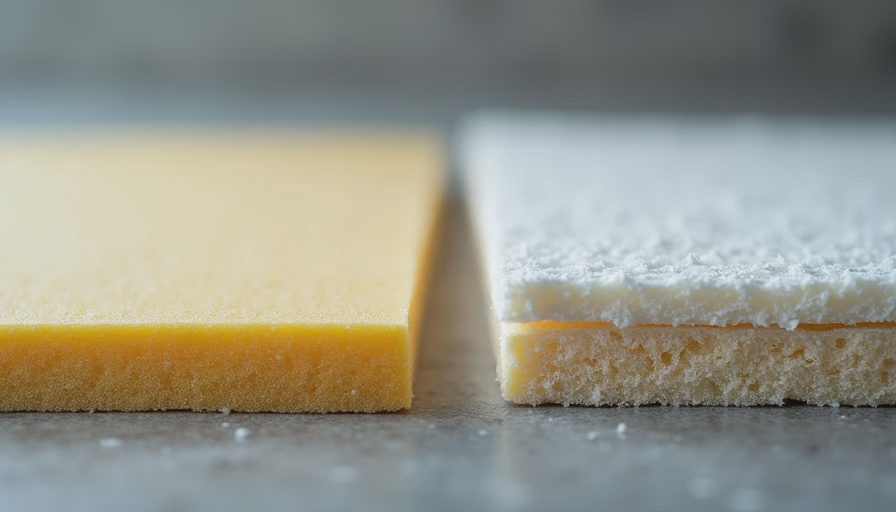
The difference is usually $600–$1,000. Seems like a lot until you compare it to the cost of ripping up and reinstalling flooring later.
What Cheap Underlayment Actually Costs You
I’ve seen the same pattern repeatedly:
Premature wear — Flooring loses its floating ability
Noise complaints — Especially bad with LVP
Moisture problems — Cheap foam absorbs water instead of blocking it
Uneven feel — Compression creates soft spots
Shorter lifespan — Entire floor may need replacement years earlier
One client saved $550 on underlayment and replaced the whole floor at year 4. Another client who spent the extra money on quality underlayment is still going strong at year 7 with no issues.
What I Recommend Now
For most residential jobs I recommend:
LVP on concrete: Premium foam with attached vapor barrier (1.5–2.5mm thick)
Hardwood on wood subfloor: Quality felt or cork underlayment
High-traffic areas: Spend more, not less
Never use the thin, free underlayment that sometimes comes with cheap flooring. It’s almost always a false economy.
The Bottom Line
Good underlayment is like good insurance. You don’t notice it when everything’s fine, but you’re incredibly grateful when problems arise.
Don’t let a few hundred dollars upfront cost you thousands later. Your floors (and your ears) will thank you for years to come.
Floors take a beating every day. Don’t let them beat your budget too.

Travellers Write
No letters yet — be the first traveller to write.