The Matching Nightmare No One Warns You About
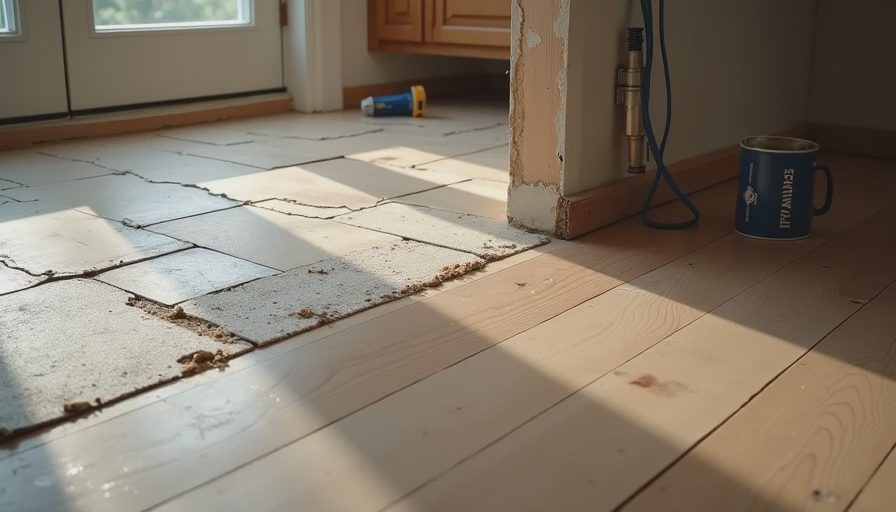
The client had beautiful but discontinued Italian porcelain tile in their kitchen from 15 years ago. They wanted new LVP throughout the main level but hoped to keep the tile in the kitchen to save money. “Can’t we just install over it?” they asked.
I gave them my honest opinion: “We can, but I don’t recommend it.” They chose to proceed anyway. Here’s what I learned from that project.
Floors take a beating every day. Don’t let them beat your budget too.
Why I Usually Say “Tear It Out”
Discontinued tile creates several long-term problems:
Height differences — New flooring over old tile raises the floor level, creating awkward transitions.
Movement risks — Old tile can loosen or shift over time, affecting the new floor above it.
Moisture trapping — Any issues under the old tile stay hidden until they become big problems.
Future repairs — Good luck finding matching tile if something goes wrong later.
In most cases, full removal is cleaner, more professional, and cheaper in the long run.
When You Might Have to Install Over It
Sometimes budget, timeline, or structural constraints force your hand. In those cases, here’s how I approach it to minimize problems.
Critical Preparation Steps
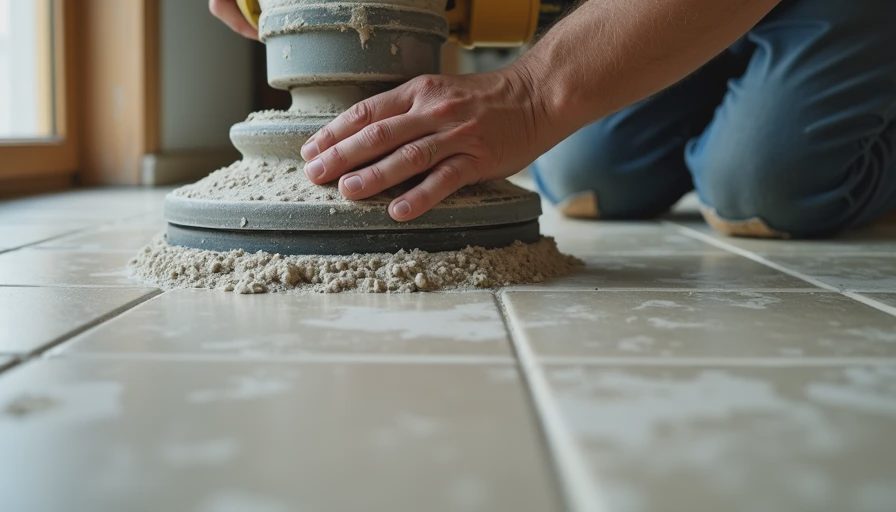
Thorough Inspection Check every square foot for loose tiles, hollow sounds, or cracks. Fix or replace any problem areas.
Deep Cleaning Remove all grease, wax, and residue. This is non-negotiable for proper adhesion or floating.
Leveling Grind down high spots and use self-leveling compound for low areas. The new floor will telegraph every imperfection.
Moisture Testing Even if it looks dry, test the slab underneath.
Proper Underlayment Use high-quality cushioning with moisture barrier when floating new LVP.
The Installation Process I Follow
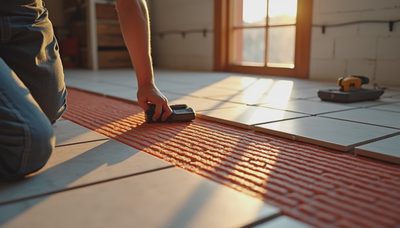
Use thicker, more rigid LVP (minimum 8-10mm) to bridge minor imperfections.
Leave generous expansion gaps, especially at transitions.
Install proper T-moldings or reducers for height differences.
Take detailed photos of the old tile layout in case future repairs are needed.
What Happened on That Job
The kitchen looked decent after completion, but the raised height created visible transition issues with adjacent rooms. Two years later, one area started showing slight movement where an old tile was loose underneath. It was fixable, but avoidable.
Better Alternatives When Possible
Full demo and new tile or LVP on fresh substrate
Using area rugs or different materials to define spaces
Budgeting for complete replacement from the start
My Strong Recommendation
If the tile is discontinued and in poor condition, bite the bullet and remove it. The extra upfront cost usually pays for itself in peace of mind and better long-term performance.
Only install over discontinued tile when you fully understand the compromises and have no better options.
Floors take a beating every day. Don’t let them beat your budget too.


Travellers Write
No letters yet — be the first traveller to write.