Most people think hardwood gets nailed down if it is real and floated if it is not. That is tidy, but wrong. In the right house, glue down hardwood floor installation is the cleanest answer: lower profile, quieter, and better over concrete than a pile of patchwork that still telegraphs every dip. I have torn out plenty of floors where the installer skipped moisture testing and the adhesive let go like old wallpaper. Start with a dry, flat slab and this method can save a homeowner hundreds in transition pieces and subfloor build-up. Start with the wrong slab and you buy yourself a future teardown.
Why glue-down works so well over concrete
If I am looking at a basement, slab-on-grade addition, or a main floor that does not have room for sleepers and plywood buildup, I start thinking about glue-down. It keeps the floor height down, which matters more than people admit until they are staring at a door jamb that needs to be trimmed and a staircase that suddenly feels wrong. It also helps cut down on hollow sound underfoot compared with some floating floors.
For the right product, I usually want engineered hardwood, not solid. A 3/8-inch or 1/2-inch engineered oak, maple, or hickory plank can handle the movement of a slab better than solid boards in most real-world homes. On a straightforward project, installed pricing often lands around $11 to $18 per square foot, depending on the species, width, and finish. That is not pocket change, but it is often less painful than tearing out a slab and rebuilding the floor height from scratch.
The biggest win is layout. Glue-down lets you keep transitions cleaner between rooms, especially in open plans where one bad height change makes the whole house look patched together. Floors take a beating every day. Don't let them beat your budget too.
What has to be true before a glue down hardwood floor installation starts
A glue down hardwood floor installation lives or dies on the slab underneath it. If the concrete is crowned, hollow, dusty, or still holding moisture, the nicest oak in the aisle will not save you. I want a slab that is flat enough for the product being used, and I want the installer to say exactly how they checked it instead of waving a hand and calling it good.
Moisture testing is not optional. A concrete slab can look bone dry and still push moisture up through the adhesive later. That is where cupping, edge curl, and bond failure come from. If the test shows a problem, a moisture barrier or primer system can be the difference between a solid floor and a very expensive lesson. Cracks need to be addressed, old paint and glue need to come off, and dusty concrete needs actual prep, not just a quick sweep with a broom that has already had a hard life.
If a bid skips all of that and jumps straight to labor pricing, I would not trust it. Prep is the part nobody likes paying for, which is exactly why it matters.
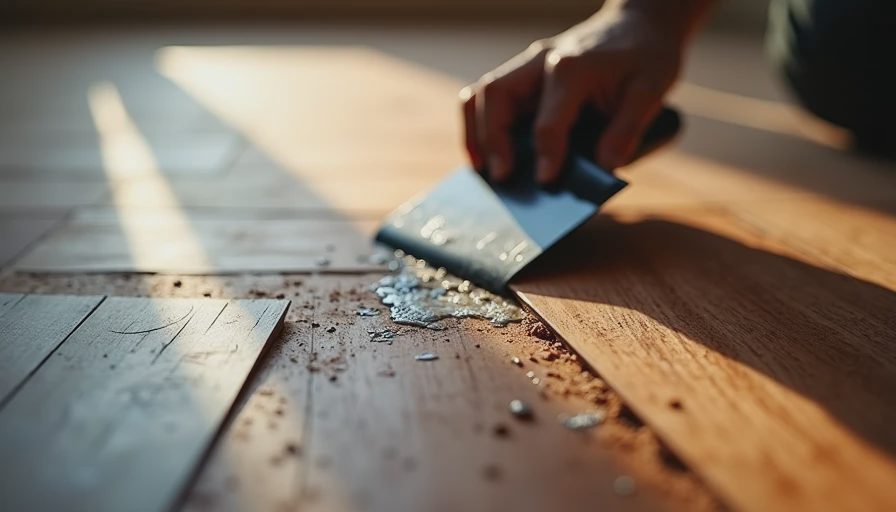
The adhesive and layout details that most homeowners never hear about
The glue matters more than people think. Bostik, Bona, Mapei, and Sika all make products that get used on real jobs, but the right adhesive depends on the plank width, the slab condition, and the moisture reading. Some moisture-cure urethane adhesives grab hard and stay flexible. Some silane-modified adhesives spread easier, smell less, and still hold like they mean it. The installer should match the product to the job, not just grab whatever is on sale that week.
Trowel size matters too. If the notch is wrong, you end up starving boards of adhesive or squeezing too much into the joints. Either way, the floor can fail in patches that show up later as hollow spots or board movement. A good crew also keeps the layout straight, dry-fits the first rows, and respects the manufacturer’s spread rate. That sounds basic until you see how often it gets rushed.
A glue down hardwood floor installation done right does not feel heroic. It feels boring, and boring is exactly what you want from a floor that has to last 20 years.
What the job costs in the real world
For a typical 500 to 700 square foot project, engineered hardwood glue-down often lands between $10 and $18 per square foot installed. That range usually includes material, adhesive, and labor. Once you add tear-out, patching, leveling compound, or a moisture barrier, another $2 to $6 per square foot is normal. A kitchen, hallway, and living room combo can get expensive fast if the slab is wavy or the old floor leaves behind junk that has to be scraped and ground off.
I have seen simple jobs come in under $5,000 when the slab was clean and the layout was easy. I have also seen problem jobs push past $15,000 when the homeowner wanted premium white oak, wide planks, new baseboards, and a slab that needed a small rescue mission before anybody could start spreading glue. That is the part people miss when they compare quotes by the square foot alone.
The cheap bid is only cheap if it includes the same prep, adhesive, and cleanup as the better one. Usually it does not.
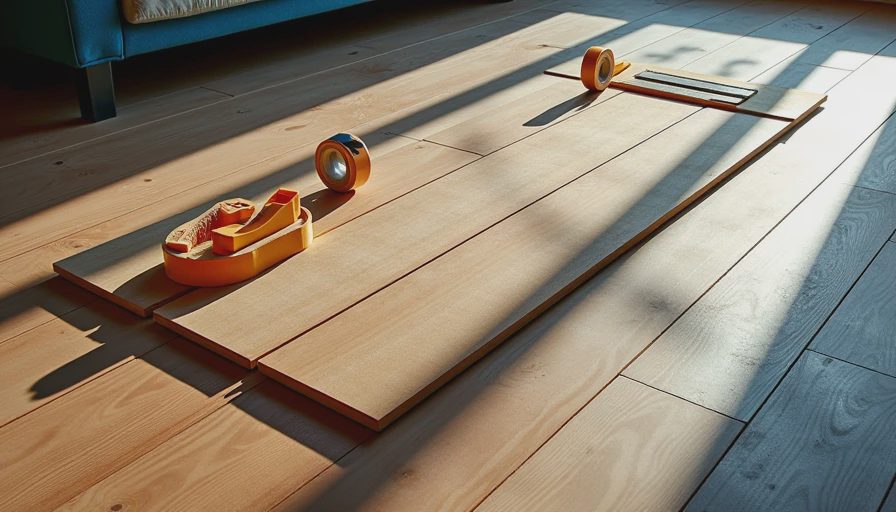
Where glue-down fails and you should stop
A glue down hardwood floor installation is not a fix for every bad subfloor. If the slab is actively wet, if you are dealing with hydrostatic pressure, or if the floor is badly cupped from a previous leak, stop and solve the cause first. Gluing a new floor over a problem slab is how you turn one repair into two.
Solid hardwood over concrete is usually the wrong call unless a manufacturer specifically allows it. Engineered flooring is the safer choice because it handles movement better. If you are over radiant heat, the floor product needs to be rated for it and the temperature limits need to be followed. I have also seen homeowners ask for new flooring over old cutback adhesive without realizing it could be asbestos-containing material in older homes. That is not a spot to get brave with a grinder and a shop vac.
If the house already has a sound oak floor, refinishing it is often the smarter move. I have lost count of the times a homeowner wanted new material when the old floor just needed sanding and a fresh coat of finish.
How to read an estimate without getting taken for a ride
A fair estimate should name the floor product, the adhesive, the prep work, and the moisture barrier if one is needed. If the quote only says labor and materials, ask for the missing pieces. Ask what flatness standard they are using, whether leveling is included, and how they handle old adhesive or patching. If the installer cannot tell you the brand of glue, that is not confidence. That is a red flag in work boots.
Comparing bids gets easier when you line up the real numbers. One crew may be quoting a clean slab install while another is pricing in patching, grinding, and transitions. The first number looks better until the job starts and every extra step shows up as change orders. That is how people get trapped into spending more than they planned.
My rule is simple: if the estimate reads like it came from somebody who has actually done the work, it usually is worth a closer look. If it sounds vague, it probably is.
Floors take a beating every day. Don't let them beat your budget too. TL;DR: If the slab is flat, dry, and the product is engineered for it, glue-down is a solid move. Call me crazy. Then call me after you get the estimate.


Travellers Write
No letters yet — be the first traveller to write.