The first thing people get wrong about Coretec floors is assuming a waterproof plank can cover any problem underneath it. It cannot. The flooring itself handles moisture well, but a soft, wavy, or dirty subfloor will still produce hollow spots, clicks, gaps, and callbacks. I have installed plenty of luxury vinyl plank over the years, and Coretec is one of the better-known options for good reason. It is not magic, though, and the price only makes sense when the installation is done properly.
What Coretec Floors Actually Are
Coretec is a luxury vinyl flooring brand from Shaw Industries. Its product families generally use a rigid core, a printed visual layer, a protective wear layer, and an attached underlayment on many products. The rigid core is commonly made with either a stone-polymer composite or a wood-polymer composite, depending on the line. That construction makes the planks more stable than older, soft vinyl products and gives them a convincing wood or stone appearance.
The word waterproof gets used loosely in flooring showrooms. Coretec planks are designed to resist water at the flooring surface, which makes them useful in kitchens, laundry rooms, bathrooms, and finished basements. Water can still travel through seams, around toilets, under baseboards, or into the subfloor after a major leak. If a washing machine hose bursts, the floor may survive while the plywood underneath swells. Those are two separate problems, and confusing them gets homeowners into trouble.
The best Coretec floors also have a heavier wear layer and more realistic embossing than bargain-bin vinyl. You can see and feel the grain on better products. That does not make the material indestructible, but it does help hide everyday crumbs, dust, and the occasional scratch from a dining chair.

How Much Coretec Floors Cost Installed
For many residential jobs, a realistic installed range for Coretec floors is about $6 to $11 per square foot. Material often lands around $3.50 to $7 per square foot, while labor and basic installation supplies add roughly $2.50 to $4. The exact number moves quickly when the room needs demolition, leveling, furniture moving, or new trim.
On a 1,000-square-foot main level, that puts the project somewhere between $6,000 and $11,000 before unusual repairs. I priced a smaller open-concept job where the material was close to $4,800, but removing glued-down vinyl, scraping adhesive, leveling several low areas, and reinstalling trim pushed the finished bill over $8,000. The planks were not the expensive surprise. Preparation was.
You also need to budget for waste. A straight hallway might require 5 percent extra material, while a kitchen with islands, cabinets, angled walls, and several transitions can require 10 percent or more. Buy from the same production run when possible and keep a few unopened planks after installation. Matching a discontinued color two years later is not guaranteed.
The Subfloor Matters More Than the Sales Pitch
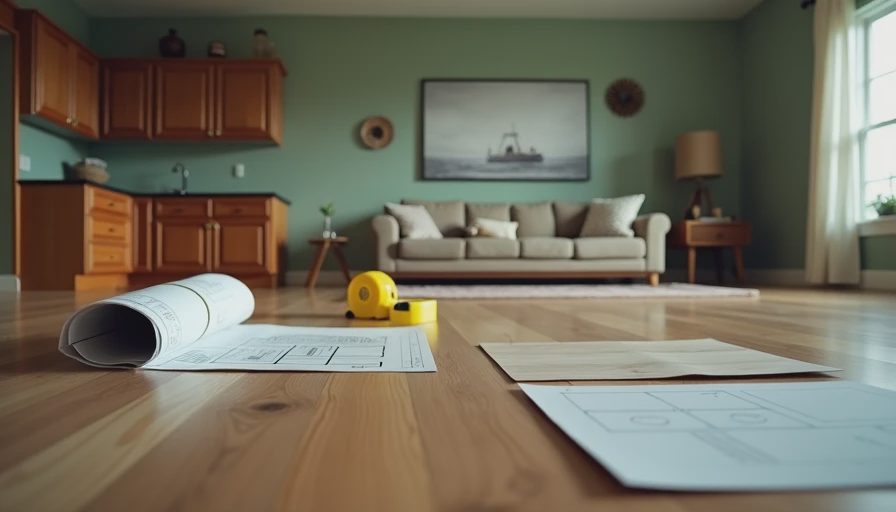
Coretec floors are typically installed as floating floors, meaning the planks lock together and sit over the subfloor rather than being nailed down. Floating floors move slightly as a unit. That is normal. What is not normal is movement caused by a dip, ridge, loose plywood panel, or high fastener.
Before installation, I walk the room with a long straightedge and mark trouble spots in pencil. A common tolerance target for rigid-core flooring is roughly 3/16 inch over 10 feet, but the installation instructions for the specific product control the job. High spots get sanded or ground down. Low spots may need a cement-based patch or self-leveling compound. A squeaking plywood floor may need additional screws before anything covers it.
Do not stack leveling compound on top of dirt, wax, loose adhesive, or dusty concrete. It will fail because the bond fails. In basements, moisture testing is also important. A dry-looking slab can still transmit enough moisture to cause odor, mold growth in surrounding materials, or installation problems. The flooring is only one layer in the building assembly.
Where Coretec Makes Sense
Coretec floors are a strong fit for busy households that want a wood appearance without the maintenance of site-finished hardwood. I like them for kitchens, mudrooms, rental properties, and basement living areas where spills and wet shoes are part of normal life. They are also practical when the existing floor is sound but unattractive and the homeowner wants a faster renovation than tile or hardwood would require.
The attached pad on some Coretec products can simplify installation, but it does not replace subfloor correction. Adding another cushion underneath without approval from the manufacturer can make the locking joints flex too much. That is one of those shortcuts that feels smart on Saturday and becomes an expensive lesson by winter.
For a house with large dogs, a busy entry, or children dragging chairs across the floor, choose a product with a substantial wear layer and use felt pads. Put walk-off mats at exterior doors, but avoid rubber-backed mats unless the product instructions specifically allow them. Rubber and certain plastic backings can discolor vinyl over time.
Coretec Compared With Hardwood, Tile, and Cheap Vinyl
Compared with solid hardwood, Coretec floors cost less to install in many rooms and tolerate surface moisture better. Hardwood can be sanded and refinished several times, while damaged vinyl planks are usually replaced individually. That gives hardwood a longer repair story, but it also demands more careful moisture control and maintenance.
Compared with porcelain tile, Coretec is warmer, quieter, and easier on the knees. Tile wins around standing water and can last for decades when the installation is sound. Coretec wins when the homeowner wants a quicker project without grout lines, mortar, or the cold feel of a basement slab.
Compared with inexpensive click-lock vinyl, Coretec generally offers a denser feel, stronger visuals, and better design consistency. The budget material may be fine for a guest room, but thin planks can telegraph small imperfections and sound hollow. Saving $1.50 per square foot on material is not a bargain if the floor needs to be replaced after a few years.
Installation Mistakes That Cost Real Money
The first mistake is skipping acclimation or temperature control. Rigid flooring needs to be stored and installed within the range stated in the product instructions. Bringing cold planks into a heated room and installing them immediately can affect expansion gaps and locking joints.
The second mistake is trapping the floor under fixed objects. Cabinets, islands, and built-in furniture should not pin a floating floor unless the installation instructions specifically permit it. The floor needs room to move at the perimeter. Baseboards or quarter-round cover the required gap; they should not be used to force planks tight against the wall.
The third mistake is ignoring transitions. A floor that runs from a living room into a bedroom may need a transition depending on the product, room size, and layout. Long, uninterrupted runs can look clean, but they also require careful planning around door jambs and changes in elevation.
The fourth mistake is treating installation as a weekend saw project. Cutting planks is the easy part. Keeping rows straight, undercutting jambs, maintaining stagger, and fitting the last row without damaging the locking edge takes patience. A professional installation commonly adds several dollars per square foot, but it can prevent a full replacement caused by one bad layout.
Are Coretec Floors Worth It?
My answer is yes, when the room, product, and subfloor line up. I would not choose it to hide a failing basement slab, a wet crawl space, or a badly uneven floor. I would choose it over cheap vinyl for a main living area where appearance and daily durability matter, and I would choose it over hardwood when spill resistance and lower maintenance are the priority.
Buy samples before ordering a houseful. Look at them beside your cabinets in morning light and at night under warm bulbs. Check the plank width, repeat pattern, edge detail, wear layer, warranty language, and approved underlayment. A sample on a showroom wall cannot tell you how the color will look across 900 square feet.
The right process is straightforward: inspect the subfloor, measure moisture where needed, correct the surface, plan transitions, order enough material, and follow the product instructions instead of a random internet video. Get at least two installation estimates that separate demolition, prep, flooring, trim, and disposal. That breakdown tells you whether one quote is genuinely cheaper or simply missing the ugly work.
TL;DR: Coretec floors are worth the money when installed over a properly prepared subfloor. Floors take a beating every day. Do not let them beat your budget too.


Travellers Write
No letters yet — be the first traveller to write.