The first thing people get wrong about bamboo flooring is calling it indestructible. It is not. Bamboo is a grass turned into a flooring product, and the quality ranges from solid, dependable material to something that looks tired before the moving boxes are unpacked. I have installed bamboo flooring in kitchens, bedrooms, hallways, and one basement that should have been a concrete project from the start.
The short version is this: good bamboo flooring can be a sensible alternative to oak or maple when the subfloor is dry, the product is well made, and the installation is handled properly. Cheap material, damp rooms, and sloppy preparation turn the same purchase into an expensive headache. Floors take a beating every day. Don't let them beat your budget too.
What bamboo flooring actually is
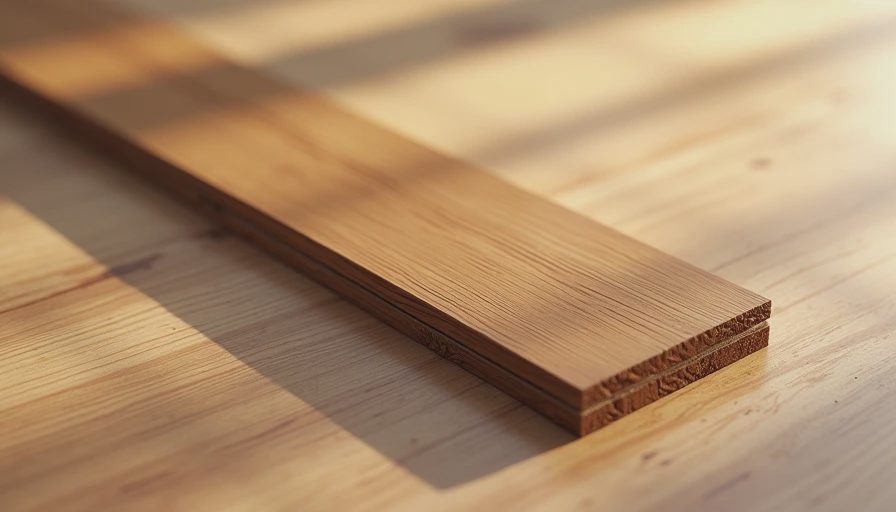
Most bamboo flooring is made by cutting bamboo stalks into strips, drying them, and gluing those strips together under pressure. Horizontal and vertical products show the natural nodes, while strand-woven bamboo shreds the fibers and compresses them into a denser board. That manufacturing difference matters more than the word bamboo on the carton.
Strand-woven bamboo flooring is usually the toughest option, but it is not automatically the best choice. Some products are extremely hard and resist dents; others have weak finishing systems or inconsistent milling. A floor can have an impressive hardness claim and still chip at the edges if the construction is poor. I pay more attention to the thickness, locking system, finish quality, and warranty language than to a single showroom number.
Expect material prices from roughly $3 to $8 per square foot for ordinary residential products. Premium strand-woven boards can run higher. Installed pricing commonly lands around $7 to $15 per square foot after labor, underlayment, trim, delivery, and floor preparation. A 500-square-foot main level can therefore become a $3,500 to $7,500 job without anyone doing anything outrageous.
Where bamboo flooring earns its keep
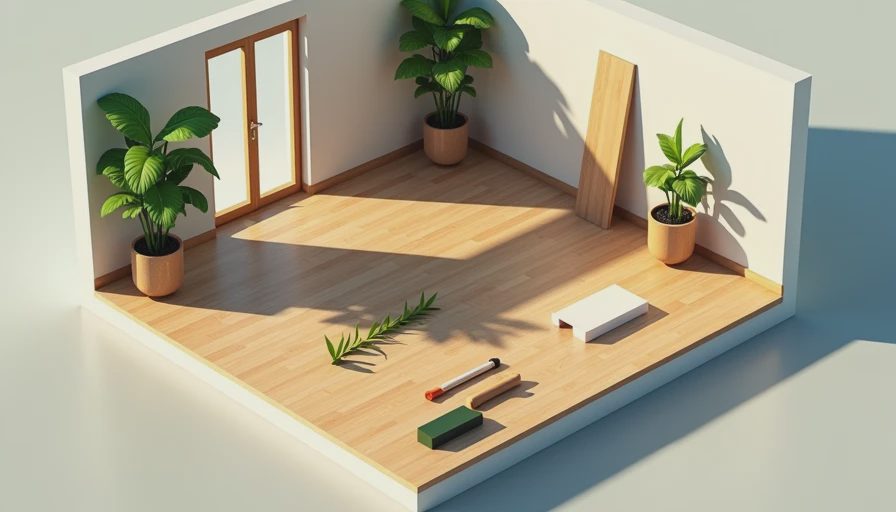
Bamboo flooring makes the most sense in dry living areas, bedrooms, offices, and hallways where you want a wood appearance without paying the top price for wide-plank hardwood. It handles normal foot traffic well when the surface finish is sound. In my own house, a medium-color bamboo floor in the upstairs hallway has survived children, muddy socks, toy cars, and a dog that believes water bowls are recreational equipment.
The material also offers a clean, consistent appearance. If you dislike the knots and color variation found in some oak, bamboo provides a more uniform look. That can work well with simple cabinets and modern furniture. Many floating products install faster than nail-down hardwood, which can reduce labor on a straightforward, square room.
But do not install bamboo flooring because a salesperson calls it green and ends the conversation there. Manufacturing adhesives, transportation, finish chemistry, and product lifespan all matter. A floor that needs replacement in seven years is not a sustainability victory just because the original plant grew quickly.
The moisture problem nobody puts in the showroom
Water is where bamboo flooring separates the careful installation from the regret purchase. Bamboo is more stable than some solid wood products, but it is still vulnerable to moisture. A dishwasher leak, wet basement slab, or damp crawl space can cause swelling, edge lifting, finish failure, or mold beneath the floor.
I would not use bamboo flooring in a full bathroom, laundry room with uncertain drainage, or basement without first solving moisture conditions. Kitchens are possible, but only when spills are cleaned promptly and the sink, dishwasher, and refrigerator connections are not leaking. A small leak under a dishwasher can work for weeks before the damage becomes visible.
Before installation, test a concrete slab for moisture using the flooring manufacturer's required method. Check the crawl space for standing water, poor ventilation, and exposed soil. Wood subfloors should be firm, flat, and free from squeaks that will become louder after the new surface is installed. No flooring product fixes a wet or moving subfloor. It only hides the evidence until the warranty conversation begins.
Installation costs and preparation traps
The material is only one line on the estimate. Removal of old flooring can add $1 to $3 per square foot, while difficult adhesive, multiple layers, or damaged subfloor can push the number higher. Floor leveling often adds several hundred dollars to a typical room, and stair noses, reducers, baseboard work, and furniture moving are easy to overlook.
For a 900-square-foot installation, a realistic mid-range budget might look like this: $4,500 for flooring, $1,800 for labor, $600 for removal, and $500 for trim and preparation. That puts the project near $7,400 before unusual repairs. A cheaper quote may simply exclude the work that makes the floor last.
Floating bamboo flooring can be a reasonable DIY project for a patient homeowner with a saw, tapping block, spacers, and time to prepare the room. Nail-down installation is less forgiving. The subfloor must be flat, board rows need proper layout, and transitions must allow movement. I have seen homeowners spend two weekends installing a floor, then pay a professional to remove it because the first row was crooked and every later row followed it.
How to choose a product that will age well
Bring home samples and test them instead of judging from a display wall. Drag a chair leg across the finish, place a damp paper towel on the surface for several minutes, and inspect the edges for clean milling. You are not trying to destroy the sample. You are looking for obvious weakness before it covers your living room.
For busy homes, I generally favor a quality strand-woven product with a factory finish, a clear installation manual, and a real wear warranty. Avoid cartons with vague construction details, unusually thin boards, or no explanation of moisture requirements. Buy extra material from the same production run for future repairs; color and grain can change between batches.
Acclimation instructions vary by product, so follow the manufacturer's directions rather than applying one universal rule. Keep the indoor temperature and humidity reasonably stable, use protective pads under furniture, and place mats at exterior doors. Felt pads cost a few dollars and can prevent the kind of scratches that make a homeowner blame the flooring when the chair is really the culprit.
Bamboo versus hardwood and luxury vinyl
Compared with solid hardwood, bamboo flooring can cost less and often arrives prefinished, but hardwood has a longer track record for repair and refinishing. Some bamboo products can be screened or refinished, while others have a thin wear layer that leaves little room for sanding. Ask that question before buying, not after a deep scratch appears.
Luxury vinyl plank handles moisture better and is often cheaper to install, especially over imperfect subfloors. It does not have the same solid, warm feel as real wood-based material, and damaged planks are replaced rather than refinished. Porcelain tile wins in wet areas but brings colder underfoot temperatures and a harder installation.
My pick is simple: use bamboo flooring in dry rooms when you want a wood look, can verify the product quality, and are willing to prepare the subfloor properly. Choose vinyl for a damp lower level and tile for a genuinely wet room. Choose hardwood when long-term refinishing value matters more than the initial price.
The bottom line before you order
Order samples, inspect the slab or crawl space, and get an estimate that lists removal, leveling, trim, transitions, and disposal separately. Compare total installed cost, not the attractive price printed on the carton. If the room has moisture trouble, solve that first or choose a floor designed for the conditions.
Bamboo flooring is neither a miracle material nor a bargain-bin substitute for every wood floor. Good material installed over a dry, flat base can look sharp for many years. Poor material installed over trouble will expose every shortcut. TL;DR: Buy bamboo flooring for dry rooms and solid preparation, not because the label promises an easy win.


Travellers Write
No letters yet — be the first traveller to write.