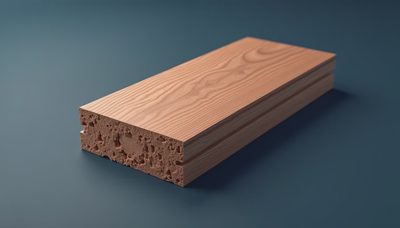
The first thing homeowners get wrong about flooring and laminate is treating them like two completely separate decisions. Laminate is flooring, but it is a particular kind: a layered product with a printed surface, a dense fiberboard core, and a protective wear layer. The real question is where it belongs, what the subfloor can handle, and whether the price still makes sense after installation.
I spent 18 years installing everything from old-growth oak to bargain laminate in houses across Missouri and Illinois. I have seen a $2,000 repair turn into a $9,000 tear-out because somebody skipped moisture testing. I have also seen homeowners replace perfectly good oak because a salesperson told them it was too old. Floors take a beating every day. Do not let them beat your budget too.
What laminate actually gives you for the money
Good laminate earns its place through appearance, price, and speed. A decent residential product usually runs about $1.50 to $4 per square foot for materials, while professional installation often adds $2 to $4 per square foot. That puts a 500-square-foot living area somewhere around $1,750 to $4,000 before unusual subfloor repairs, trim, or furniture moving.
The surface is tough against scratches, chair legs, and everyday traffic. A quality product from brands such as Pergo, Mohawk, or Shaw can look convincing from standing height, especially when the boards have varied grain patterns and beveled edges. Cheap flooring and laminate often give themselves away through repeating images, hollow footsteps, or swollen seams around doors.
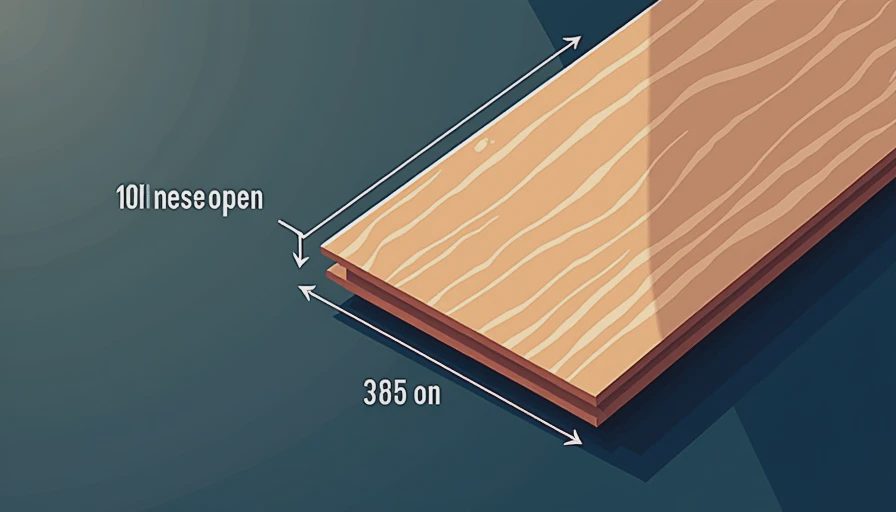
Laminate is also a floating floor, meaning it generally locks together without being nailed or glued to the subfloor. That can shorten installation time, but it does not make preparation optional. The floor beneath must be clean, reasonably flat, and dry. A floating floor simply follows a bad subfloor more efficiently than a nailed floor does.
Where laminate belongs and where it does not
For bedrooms, hallways, living rooms, and many dining areas, laminate is a sensible middle-ground choice. It handles normal household wear better than inexpensive carpet and costs less than most finished hardwood. In my own house, I used laminate in an upstairs room where the kids drag toy bins across the floor. It has held up well because that room stays dry and the subfloor was properly leveled first.
Kitchens require more judgment. A modern water-resistant laminate can tolerate a small spill when it is wiped promptly, but it is not waterproof in the same way porcelain tile or many rigid-core vinyl products are. Water that reaches the seams or sits beside a dishwasher can swell the fiberboard core. Flooring and laminate in a kitchen should have sealed transitions, careful appliance installation, and a realistic plan for leaks.
I would not install standard laminate in a bathroom, laundry room with a questionable washer hookup, or below-grade basement that has a history of dampness. In those locations, the best flooring and laminate advice is often to choose another material instead of trying to make a vulnerable product behave like tile.
The subfloor decides whether the job succeeds
Homeowners tend to price boards first and preparation last. That is backwards. Before buying flooring and laminate, pull baseboard in one corner and inspect the floor underneath. Look for dark staining, soft spots, raised fasteners, cracked concrete, and gaps between plywood panels. A moisture meter is inexpensive compared with replacing a swollen floor six months later.
On wood subfloors, high spots can be sanded and low areas may need patching or properly installed underlayment. On concrete, the slab must be dry enough for the product and installation method. A basement slab can look bone-dry while still pushing moisture into the flooring. I have lost money on jobs where I trusted a quick visual inspection instead of testing; the callback cost more than the original profit.
Flatness matters because locking joints are not designed to bridge dramatic dips. A floor that moves underfoot will eventually produce clicking, separated seams, or broken edges. Spending $300 to $1,200 on prep is frustrating, but it is cheaper than removing several thousand dollars of finished material.
Laminate compared with hardwood, vinyl, and tile
Solid hardwood remains the best long-term restoration candidate. If you have sound oak with enough wear layer left, sanding and refinishing may cost $4 to $8 per square foot, while new hardwood installation can reach $8 to $15. Hardwood can be repaired and refinished; laminate usually cannot. Once its printed surface is worn through, replacement is the practical answer.
Luxury vinyl plank is often a stronger choice for bathrooms, mudrooms, and busy kitchens because many products tolerate surface water better. Installed pricing commonly falls around $3 to $8 per square foot, depending on thickness, brand, prep, and trim. Vinyl can still fail over a wet or uneven subfloor, so it is not magic. It is simply more forgiving in damp areas than ordinary laminate.
Tile is durable and water-resistant, but the labor is substantial. A properly prepared tile floor may cost $8 to $20 per square foot installed, and the hard surface is less comfortable for long standing. Flooring and laminate comparisons should include those practical details, not just the price printed on a sample board.
A smarter way to price the project
Measure the room, then add roughly 7% to 10% for cuts and future repairs. Include underlayment, transitions, quarter-round or baseboard, delivery, demolition, toilet removal, appliance handling, and disposal. A product priced at $2 per square foot can become a $5 or $6 project after those items are counted.
Ask an installer exactly what the estimate includes. One quote may cover only laying the boards, while another includes leveling, door jamb undercuts, trim removal, and cleanup. Those differences explain why two flooring and laminate bids can be thousands apart without either contractor being dishonest.
For a 900-square-foot first floor, a realistic mid-range laminate budget might land between $5,000 and $8,500 after removal, preparation, installation, and trim. If the house has glued-down vinyl, damaged plywood, or multiple staircases, the number climbs quickly. Get the floor opened up before treating a low estimate as a bargain.
My bottom line after 18 years
Choose laminate for dry rooms when you want a durable, attractive floor without hardwood pricing. Buy a better product with a strong wear layer, use the manufacturer-approved underlayment, and leave the required expansion gap at walls and fixed objects. Do not let a salesman talk you into flooring and laminate simply because it is on promotion.
If the home already has repairable hardwood, investigate refinishing before covering it. If the room is damp, choose a water-tolerant material. If the subfloor feels soft, stop shopping for color and solve the structural problem first. That decision will matter more than whether the boards look like walnut or white oak.
TL;DR: Buy laminate for the right dry room, spend money on subfloor prep, and do not cover good hardwood before getting a real refinishing estimate.

Travellers Write
No letters yet — be the first traveller to write.