If you're shopping white oak flooring wide plank, the first mistake is falling in love with the photo before you look at the subfloor. I have watched plenty of people pick a board width off a mood board, then act surprised when the quote jumps because the house is wavy, the stairs need matching, or the finish schedule adds a few days. The good news is that this floor earns its reputation. It looks calm, it hides dirt better than a lot of light woods, and it ages in a way that does not scream for attention.
What you are really buying
For most remodels, white oak flooring wide plank means boards in the 6-inch to 10-inch range, usually with longer lengths and a cleaner face than the old tight-grain oak people grew up with. White oak has a closed grain, which is why it takes stain more evenly than red oak and does not look as busy once it is finished. That is a big reason designers keep circling back to it.
The wide plank part changes the feel of the room more than the species does. A 7-inch board makes a den feel broader. A 9-inch board can make a plain builder house feel more expensive without adding much visual noise. I like it when a homeowner wants the floor to be a backdrop, not the loudest thing in the room. If you want a clean, modern look that still feels like wood and not plastic pretending to be wood, this is the lane.
It is not magic, though. Wider boards show the floor underneath them. If the house is bumpy, those boards will tell on you.
Where it works and where it gets fussy
I like wide-plank white oak in living rooms, bedrooms, dining rooms, and open plans where you want one continuous surface to carry the house. It works especially well in homes with a lot of natural light because the grain reads soft instead of stripey. In a mid-range home, that is usually the sweet spot: enough character to look custom, not so much that it fights the cabinets, trim, or furniture.
Where it gets fussy is old framing, slab transitions, and rooms that already have humps or dips. A wide board does not forgive a high spot the way a narrow strip floor does. If the subfloor needs flattening, the labor can easily add a few hundred bucks in a small room and a few thousand in a larger one. On concrete, I usually steer people toward engineered construction instead of trying to force solid plank into a spot it does not want to live.
This is the part nobody likes hearing: the prettier the board, the less forgiving the install.
Cost reality from the jobsite
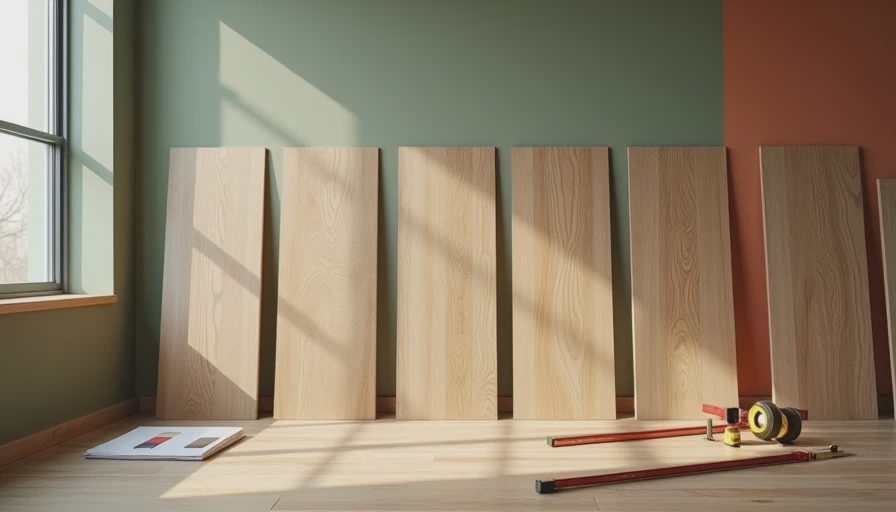
The money part is where white oak flooring wide plank stops being a mood board and starts being math. In a lot of my jobs, materials land somewhere around $6 to $12 per square foot for decent product, and installed pricing often lands in the $11 to $18 range once you include labor, underlayment, fasteners or adhesive, and finish work. Go wider, longer, or more selective on grade, and the number climbs fast. Add site finishing and custom stain, and the quote can move again.
I have seen homeowners save real money by choosing a slightly narrower plank, like 6 1/2 inches instead of 7 1/2 or 9. That choice usually matters more than the difference between two similar white oak options on paper. The other place money disappears is trim. Matching stair treads, reducers, thresholds, and nosings can eat up a weekend and a chunk of the budget without looking dramatic on the estimate.
If you are trying to stay inside a number, put the money into flatter subfloors and a better finish before you chase the widest board available.
Install details that separate a good floor from a regret
A good wide-plank floor starts before the first board goes down. I want the material acclimated, the moisture numbers checked, and the room prepped like someone actually plans to live there. White oak is stable for a hardwood, but wide boards still move. That means the moisture difference between the flooring and the subfloor has to be sane, and the house should not be sitting at swamp humidity one week and furnace-dry the next.
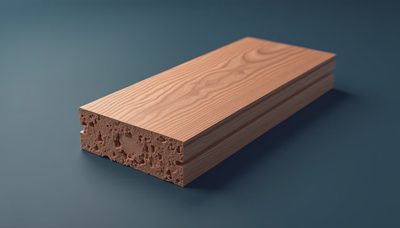
The fasteners and adhesive choice matter too. Solid plank over wood subfloor usually gets nailed, sometimes with adhesive help in problem areas. Engineered plank gives you more flexibility, especially over concrete, but the product quality varies a lot. I have ripped out cheap engineered flooring that looked great in the box and sounded hollow six months later. No romance there.
I tell homeowners to judge the floor by the prep they do not see. Flat subfloor, good layout, clean cuts at the doorway, and proper expansion gaps are what keep a pretty floor from turning into an expensive complaint.
Finish, color, and daily use
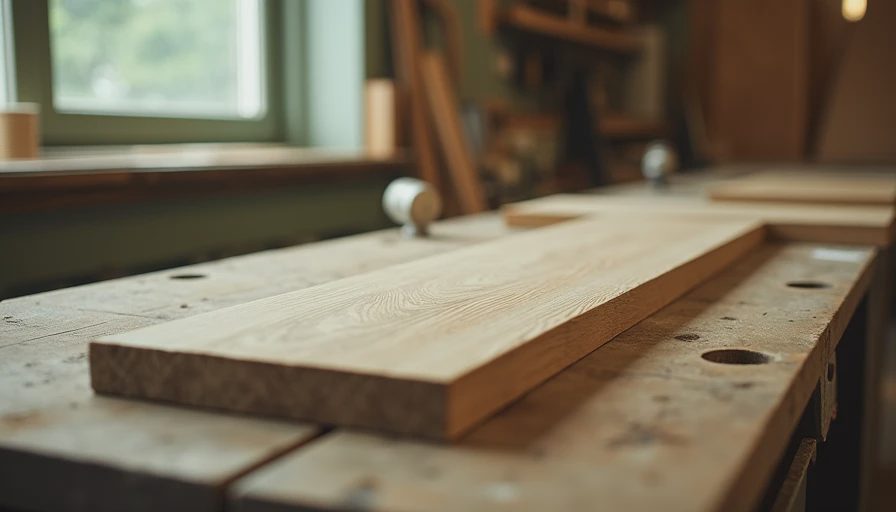
White oak can swing from pale and airy to rich and moody depending on the finish. Waterborne finishes keep the color lighter and usually dry faster, which helps when someone wants the house back in a hurry. Oil-based finishes deepen the tone a bit and can give the floor a warmer look, but they take longer to cure and smell like a jobsite for a while. On-site finishing is the better play when you want custom color or when you need the floor to run seamlessly through a whole house.
For daily use, wide-plank white oak is not fragile, but it is still wood. Felt pads under chairs, decent entry mats, and a cleaner made for hardwood go a long way. I would skip the steam mop. I have seen too many floors swell at the edges because somebody thought hot wet vapor was a cleaning breakthrough. It is not.
If you want the floor to stay handsome, keep the indoor humidity in a normal range and do not drag metal chair legs across it like you are moving furniture in a church basement.
When I would choose it and when I would not
If a homeowner wants a floor that feels calm, expensive, and easy to live with, white oak flooring wide plank is one of the safest calls. It fits new builds, remodels, and old houses that need help looking less chopped up. It also holds up well when you care about resale, because buyers understand it fast. They may not know the species or the grade, but they know it looks good.
I would pass if the house has a nasty subfloor, if the budget is already stretched thin, or if the space is a damp basement where solid wood will fight you from day one. In those cases, save the headache and choose a different construction or a different material. I have lost money trying to make a floor work where it never wanted to live, and I only had myself to blame.
Bottom line: buy the right board width, spend on prep, and do not cheap out on finish. Floors take a beating every day. Don't let them beat your budget too. TL;DR: pick the board, flatten the floor, and pay for the install you will not have to apologize for later.

Travellers Write
No letters yet — be the first traveller to write.