The first thing people get wrong about bathroom tile work cost is assuming the tile itself is the expensive part. It usually is not. A $4 box of ceramic tile can sit on top of $2,000 worth of demolition, waterproofing, floor preparation, cutting, setting, and grout work. The tile is what you see, so it gets blamed. The ugly work underneath gets the invoice.
For a typical bathroom, plan on roughly $1,500 to $8,000 for professional tile installation, with small powder rooms below that range and full primary-bathroom renovations pushing higher. A straightforward floor may cost $800 to $2,000. Tiled shower walls and a shower pan can add $2,500 to $6,000, depending on size and waterproofing. Those are realistic planning numbers, not showroom fantasy numbers.
What bathroom tile work cost includes
A tile estimate is usually built from several separate jobs. First comes demolition. Removing old tile, cement board, adhesive, and a damaged subfloor can take a crew a full day or more. In my old St. Louis jobs, demolition commonly ran $300 to $900 before a single new tile was installed. A bathroom with glued vinyl is one animal. A bathroom with mud-set tile from 1978 is another animal entirely, and it is not a friendly one.
Next is preparation. The subfloor needs to be solid, reasonably flat, and free from movement. Floor tile does not care whether your joists are proud of themselves; it cares whether the surface flexes. Minor leveling might add $200 to $500. Replacing rotten plywood, repairing framing, or correcting a soft floor can add $600 to $2,000.
Then there is the tile system: underlayment, thin-set mortar, waterproofing membrane, edging, grout, caulk, and transitions. A reputable installer is not just spreading adhesive and sticking squares down. In wet areas, the waterproofing is the job. Tile is a wear surface, not a waterproof roof.
How tile choice changes the estimate
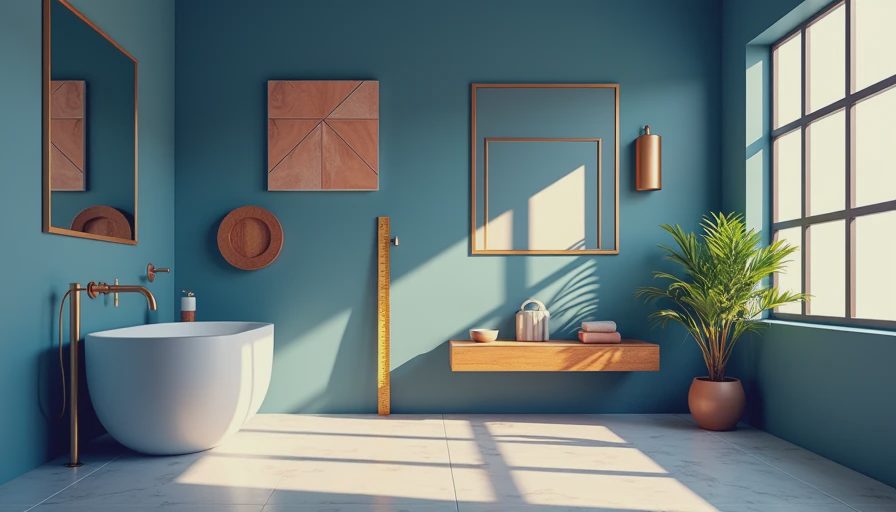
Material prices range from about $1.50 per square foot for basic ceramic to $15 or more for specialty porcelain, handmade tile, marble, or intricate mosaics. That does not mean an expensive tile automatically creates a better bathroom. A well-installed $5 porcelain tile can outlast a poorly installed $20 stone tile by a mile.
Large-format porcelain often looks simple but takes more skill. Walls and floors must be flatter, cuts are less forgiving, and handling a 24-by-48-inch piece takes more than one set of hands. Installers may charge $8 to $18 per square foot for labor on a complicated large-format job. Standard 12-inch or 12-by-24-inch tile is often closer to $5 to $12 per square foot for installation, depending on the room and layout.
Mosaic shower floors also increase labor. A small hexagon sheet has many grout joints and can expose a crooked surface quickly. Diagonal layouts, borders, niches, benches, and patterned tile all add measuring and cutting time. Bathroom tile work cost rises because labor follows complexity, not because the square footage looks impressive on paper.
For a 60-square-foot bathroom floor, the difference between $3 and $10 tile is only $420 in material. The difference between a basic straight lay and a fussy pattern can be several hundred dollars in labor. Spend your design money where it will be seen, but do not pretend the layout is free.
Shower tile is where budgets get hurt
A shower is not just a tiled wall. It needs a properly sloped pan, a drain, corners, seams, penetrations, and a waterproofing system that connects everything. Depending on the method, a contractor may use a sheet membrane such as Schluter-Kerdi, a liquid-applied system, or a traditional mortar approach. The brand matters less than whether the installer follows the system instead of improvising with leftover plastic and hope.
A basic tub surround may add $1,200 to $3,000 in labor and materials. A walk-in shower with a custom pan, niche, bench, glass-ready curb, and full-height porcelain can add $4,000 to $10,000 before premium fixtures. This is why bathroom tile work cost can look unreasonable until you separate a simple surround from a small bathroom rebuild disguised as a tile project.
The expensive failure is water damage behind the tile. I have opened showers where the grout looked fine but the framing was dark, soft, and wet. The homeowner saved perhaps $800 on the original installation and later faced several thousand dollars in demolition and reconstruction. Waterproofing is not the place to bargain-shop.
Where you can save without creating a future problem
The safest savings come from simplifying the job. Keep plumbing in the same location, choose a common tile size, use fewer decorative bands, and skip unnecessary niches. A 12-by-24-inch porcelain tile in a clean stacked layout can look sharp without requiring a tile setter to spend all day making tiny cuts.
You can also handle sensible preparation. Remove loose accessories, clear the room, pull baseboards carefully, and arrange disposal before the installer arrives. Some homeowners save $200 to $600 this way. Do not remove a shower pan, cut into the subfloor, or tear out cement board unless you understand what is behind it. I once lost money on a bathroom because a customer removed only half the wall board. The remaining fasteners and torn edges cost more time to correct than a clean demolition would have taken.
Buy 10% to 15% extra tile for cuts, breakage, and future repairs. For patterned or discontinued tile, 20% is safer. Keep the leftover boxes in a dry place. Five years from now, a cracked tile repair is much easier when the replacement is sitting in your garage instead of being hunted across three states.
How to compare tile estimates
Ask every contractor what the bathroom tile work cost covers. One bid may include demolition, disposal, waterproofing, trim, grout, and caulk. Another may show a low labor number and quietly exclude all six. A $3,200 estimate can become a $5,000 project if the cheaper quote assumes you will supply backer board, haul debris, and repair the subfloor.
Look for line items describing surface preparation, waterproofing, tile installation, grout, sealant, transitions, and cleanup. Ask which areas are excluded. Confirm whether the price covers a shower pan or only wall tile. Request clarification on changes discovered after demolition, because hidden damage is common in older bathrooms.
Material allowances deserve attention too. If the estimate allows $3 per square foot for tile and your selected tile costs $8, the difference is yours. That is not necessarily dishonest; it just needs to be visible before ordering. I prefer estimates that state quantities and unit prices plainly. There is less room for the unpleasant surprise that arrives wearing a tool belt.
Is professional installation worth the bathroom tile work cost?
For a small, dry bathroom floor over a sound, flat surface, a careful DIY homeowner can do respectable work. Buy a quality wet saw, practice cuts on scrap, and give yourself a weekend longer than the box instructions suggest. The first room teaches you where the mistakes hide.
For showers, heated floors, uneven subfloors, or expensive natural stone, hire a pro. The cost is not only the setting of tile; it is the sequence, waterproofing knowledge, layout judgment, and ability to recognize trouble before it gets buried. A professional might charge $2,500 where a DIY project spends $1,400 on materials and then another $2,000 correcting leaks and uneven work. Cheap is not the same as economical.
My own bathroom has ordinary porcelain, tight grout lines, and no magazine-cover tricks. It has held up because the floor was prepared properly and the shower was waterproofed before the first tile went up. That is the part nobody photographs, but it is what protects the budget.
Bathroom tile work cost is reasonable when the estimate includes the unglamorous work that keeps tile attached and water out. Get two or three detailed bids, simplify the design before negotiating, and spend money on preparation before decorative accents. Floors take a beating every day. Don't let them beat your budget too.
TL;DR: Price the waterproofing and preparation before you fall in love with the tile, then call a pro when the bathroom has more moving parts than a straight floor.

Travellers Write
No letters yet — be the first traveller to write.