The best carpet is not the softest sample in the showroom or the one with the biggest discount sign. It is the carpet that matches the room, the traffic, the subfloor, and the amount of maintenance you are willing to tolerate. I have installed carpet in bedrooms that looked new after fifteen years and living rooms that were crushed flat in three. The difference was rarely luck. It was usually fiber, padding, and an honest look at how the room gets used.
I spent 18 years installing floors, and carpet taught me one important lesson: homeowners often spend too much on the visible material and too little underneath it. A decent carpet with the right pad will usually outperform an expensive carpet installed over bargain foam. Floors take a beating every day. Don't let them beat your budget too.
Start with the Room, Not the Sample
Before comparing brands, walk through the house and identify the abuse each room receives. A quiet guest bedroom can handle a comfortable cut pile with a medium-density pad. A family room needs a tighter construction that resists crushing. Stairs need a durable fiber and secure installation because every foot lands in nearly the same places.
For most mid-range homes, the best carpet for bedrooms is nylon or a quality polyester with a dense face weight. Nylon generally recovers better from furniture and foot traffic, while polyester offers strong stain resistance and often costs less. Olefin can make sense in a basement or low-traffic area, but it tends to flatten and attract oily soil when used in a busy hallway.
Do not judge durability by thickness alone. A tall, loose carpet can feel luxurious under a showroom light and look tired quickly. Ask about density, twist, and construction. A shorter, tightly twisted carpet is often the smarter choice for a household with children, pets, or a large dog that treats the hallway like a racetrack.
Carpet Fiber and Construction: What Your Money Buys
Nylon remains my usual recommendation when the goal is long service life. It costs more than basic polyester, but it handles crushing and traffic well. Solution-dyed polyester is a practical choice for stain-conscious households because the color is built into the fiber, not merely applied to its surface. That does not make stains impossible, but it gives you more room to clean without leaving a bleached-looking spot.
Triexta sits between those familiar choices and is worth considering when softness and stain resistance matter. The best carpet for a busy family room is often a dense nylon or triexta style in a medium heathered color. The mixed color hides tracked-in grit and small spills better than a solid pale gray.
Loop carpet can be tough, but be careful with pets. A claw can catch a loop and pull it across the room like a loose thread in a sweater. Cut pile avoids that particular problem. Berber-style loops are not automatically cheap or durable; construction and density still matter more than the name on the label.

Padding Is the Part You Feel Every Day
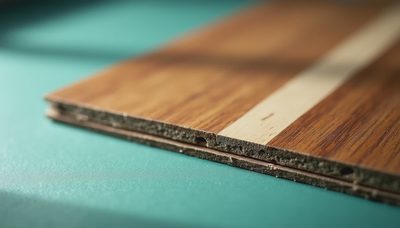
If I could change one thing about many carpet estimates, I would make the padding easier to understand. Installers sometimes quote a thin, inexpensive pad because it keeps the total price attractive. That saves money at the register and can shorten the carpet's useful life. The pad compresses under traffic, supports the backing, and affects how the floor feels underfoot.
For most bedrooms and living rooms, I prefer a quality rebond or engineered foam pad around 7/16 inch thick with an appropriate density. The exact specification depends on the carpet and manufacturer, but thicker is not always better. A pad that is too soft can cause wrinkles, seam movement, and premature wear. On stairs, use a firm pad designed for stair installation rather than leftover cushion from another room.
A realistic installed range for carpet is often about $3 to $8 per square foot, including ordinary padding and labor. Premium wool or complicated stair work can push higher. A 400-square-foot room might therefore land around $1,200 to $3,200 before unusual repairs, furniture moving, or removal. Get the pad, tack strips, transitions, haul-away, and floor preparation listed separately.
Installation Problems Cost More Than the Carpet
The best carpet cannot hide a bad subfloor. Before installation, the crew should remove loose tack strips, scrape adhesive, check for squeaks, and address obvious low or high areas. Concrete floors need moisture considerations, especially in basements. A small ridge under carpet can telegraph through the surface, while a damp slab can create odor and backing problems that no deodorizer will fix.
Seams deserve attention too. Carpet seams are not always invisible, but they should be placed away from the main sightline and protected from direct window glare when possible. A competent installer measures the room, plans the cuts, and avoids putting a seam across a doorway where repeated traffic will punish it.
I once underestimated a hallway transition on a larger renovation and lost money correcting the layout. The material was fine; the plan was not. That is why I am cautious about do-it-yourself installation. Renting a power stretcher is not the same as knowing how to use one. Loose carpet develops wrinkles, and wrinkles are a trip hazard as well as an eyesore.

When Existing Carpet Should Stay
Replacement is not always the answer. If the carpet is clean, flat, and free of persistent odor, professional hot-water extraction may buy you several good years. A 900-square-foot installation that costs $3,000 to $6,000 should not be torn out just because the color feels dated. A cleaning appointment commonly costs a few hundred dollars, depending on access, furniture, and condition.
Look closely at the backing and edges. Permanent ripples, exposed seams, frayed transitions, pet urine that returns after cleaning, and flattened traffic lanes are signs that replacement is reasonable. If the carpet is only dirty, clean it. If the pad is collapsed or the backing is failing, cleaning is throwing money at a finished floor.
For buyers moving into a house, I suggest living with the carpet for two weeks before ordering new material. Notice where the family actually walks, whether sunlight changes the color, and whether furniture leaves deep impressions. That short test often leads to a better floor plan and prevents replacing a usable room while ignoring the worn staircase beside it.
A Practical Buying Plan
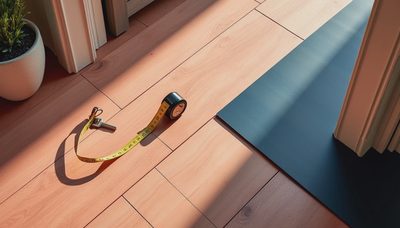
Measure each room, but let the installer verify the quantity. Carpet is sold by the square yard, and seams plus pattern matching can create more waste than a simple rectangle suggests. Bring home large samples and view them in morning and evening light. Put a sample near the entry, sofa, and pet bed; showroom lighting is a poor judge of real life.
Ask these questions before signing: What fiber is it? What is the face weight and density? Which pad is included? Where will seams go? Is furniture moving included? What subfloor repairs cost extra? What happens if a wrinkle appears after installation? A clear answer is more valuable than a glossy warranty brochure.
My usual recommendation is straightforward: spend enough for durable fiber in the rooms that work hard, choose a sensible mid-range option for bedrooms, and buy the best pad your carpet manufacturer allows. The best carpet is a balanced system, not a trophy sample. A $5 carpet over proper padding and careful installation can be a better five-year decision than a $9 carpet over cheap cushion.
TL;DR: Choose the best carpet for the room, spend on the pad, and fix the floor underneath before blaming the material.
Travellers Write
No letters yet — be the first traveller to write.