The first thing people get wrong about the cost to refinish hardwood floors is comparing a refinishing quote with the price of new flooring from a big-box store. Those are not the same job. New flooring also needs tear-out, disposal, subfloor repairs, delivery, installation, transitions, and usually several days of mess. A tired oak floor that looks headed for the dumpster can often be brought back for less money and with better long-term value.
After 18 years in the trade, my normal planning number is $3 to $8 per square foot for professional sanding and refinishing. A straightforward 800-square-foot project might land around $2,400 to $4,000. Stairs, furniture moving, dark stain, repairs, and difficult access can push the total higher. The square-foot price is a starting point, not the whole estimate.
What the cost to refinish hardwood floors usually includes
A proper job is more than running a noisy machine across the room. The crew protects cabinets and walls, removes shoe molding when necessary, sands through the old finish, edges along the perimeter, vacuums dust, applies stain if requested, and adds multiple finish coats. Labor is doing most of the work, which explains why a bargain quote can turn expensive quickly.
For common solid oak in decent condition, sanding and finishing often runs $3 to $5 per square foot in many markets. A water-based polyurethane finish typically costs more in labor or materials than a basic oil-based finish, but it dries faster and keeps the house from smelling like a chemical factory for several days. Premium finishes, extra coats, and low-dust equipment can move the cost to $6 or more per square foot.
Small jobs have an unfair math problem. A 150-square-foot bedroom still requires setup, machine delivery, edging, cleanup, and return trips. That is why contractors may quote a minimum charge of $800 to $1,500 instead of multiplying a tiny room by a low square-foot rate. Bundling several rooms usually gets you a better price.
What pushes the estimate higher
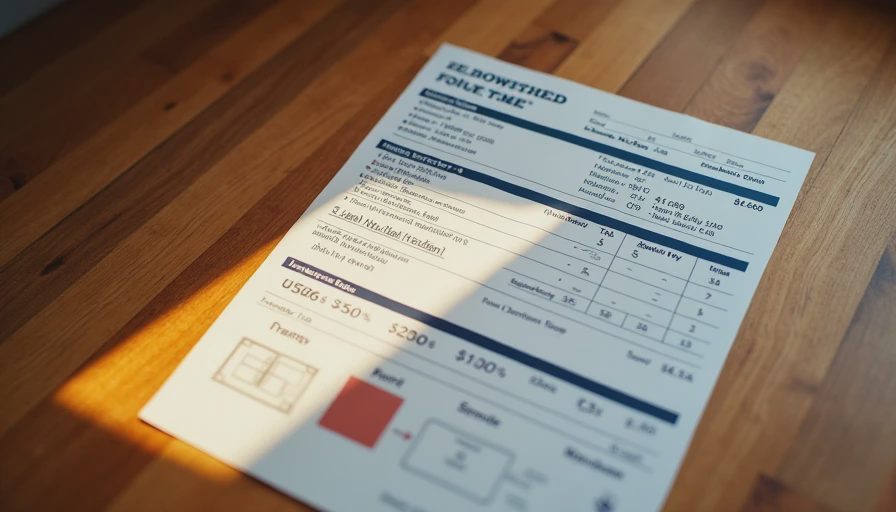
Floor condition matters more than the species of wood. Deep pet stains, black water marks, missing boards, loose planks, and old adhesive all consume time. Replacing a few oak boards may cost $150 to $500, while widespread damage can add $2 to $6 per square foot before sanding begins. If the floor has been sanded repeatedly, the remaining wear layer also becomes a concern. Solid wood can usually tolerate several refinishes, but there is a limit.
Stairs are another budget ambush. Refinishing stair treads may run $75 to $150 per tread, depending on paint, carpet glue, rounded edges, and the finish requested. A staircase with 13 treads can add $1,000 or more. Dark stain also takes extra preparation because sanding swirls, uneven filler, and old stains show plainly. I have seen a homeowner choose espresso brown to hide damage and end up paying for an additional sanding pass when every lap mark became obvious.
Furniture moving is sometimes included, sometimes not. Ask before the crew arrives. Moving a normal room of furniture might add $100 to $300, while a packed house, piano, or oversized safe requires a separate plan. Trim replacement and disposal of damaged wood are also common line items.
Refinishing versus replacing the floor
Replacement looks cheaper when you only price the boxes. Basic engineered wood or laminate might cost $2 to $5 per square foot for material, but installed totals often reach $7 to $15 after removal, underlayment, labor, transitions, and waste. Good solid hardwood can exceed that. Refinishing leaves the existing floor in place, preserves matching boards through connected rooms, and avoids raising the floor height under doors.
Here is the practical test I used on jobs: if at least 80 percent of the boards are sound, the floor is usually a refinishing candidate. A few damaged areas do not change that conclusion. Replace those boards, sand the whole surface, and the repair disappears into the grain. If water damage has caused widespread cupping, the boards are loose across the room, or the floor is too thin for another sanding, replacement makes more sense.
I once lost money on a house where the owner insisted on saving a floor with years of basement moisture damage. We spent days chasing loose boards and still could not create a stable surface. The honest answer should have been replacement from the start. That experience is why I inspect the edges, vents, and worst traffic lanes before discussing a finish color.
How to compare refinishing quotes
Get written estimates that describe the same scope. One contractor may quote sanding plus two coats of finish, while another includes stain, three coats, baseboard removal, and dust containment. The lower number is not lower if it leaves half the work on you.
Ask what finish is being used, how many coats are planned, whether cracks and board repairs are included, and how long the floor must stay off-limits. Ask whether the crew carries liability insurance and whether subcontractors perform the work. You do not need a sales presentation; you need a clear sequence and a total price.
For a 1,000-square-foot oak floor, I would expect a clean, uncomplicated project to fall roughly between $3,000 and $5,500. A heavily repaired floor with stairs and stain might reach $7,000 or more. Compare that with removal and replacement, which can easily add several thousand dollars before the new surface is installed. The cost to refinish hardwood floors is often the better value when the structure is still solid.
Ways to control the budget without cutting corners
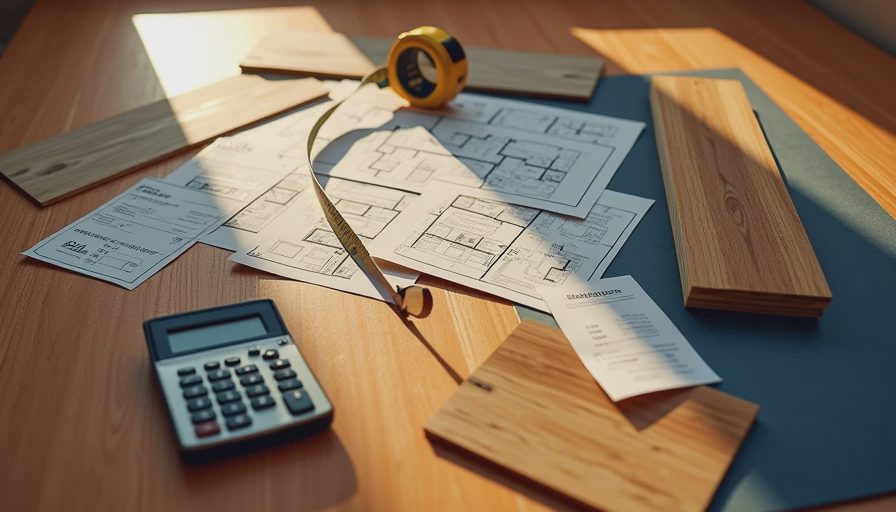
The best savings usually come from preparation, not cheaper finish. Clear small rooms before the crew arrives, remove wall decorations, and decide whether connected closets should be included. If you are renovating several rooms, finish them together rather than paying separate setup charges months apart.
Keep the existing color if the wood has a respectable natural tone. Stain is not always expensive by itself, but it adds screening, application, drying, and inspection time. Choose a finish suited to the house. Water-based polyurethane is a sensible choice for a quick return to normal, while oil-based polyurethane can provide a warmer amber appearance and more open working time.
Do not rent the cheapest drum sander automatically. DIY refinishing can save labor, but one bad pass can leave chatter, dips, or swirl marks that require a professional correction. On my own 1972 Craftsman, I would rather pay for a good finish than spend a weekend turning oak into a washboard. Floors take a beating every day. Don't let them beat your budget too.
What to expect after the work
Plan for dust control, noise, and an empty work area. Even careful crews need access to every edge, and floor finish needs time to cure. You may be able to walk in clean socks after the final coat, but furniture, rugs, and heavy appliances often need to wait several days. Follow the finish manufacturer's instructions instead of trusting a neighbor's shortcut.
A refinished floor is not maintenance-free. Use felt pads, keep grit swept up, trim pet nails, and wipe spills instead of letting them sit. Felt pads cost a few dollars; replacing a scratched finish costs much more. With reasonable care, a professionally refinished floor can serve for many years before needing another full sanding.
The bottom line is simple: judge the wood before judging the color. The cost to refinish hardwood floors is commonly far below the full installed cost of replacement, especially when most boards are solid and the damage is cosmetic. Get two or three detailed quotes, confirm the repair plan, and do not let anyone sell you a demolition job before looking under the old finish. TL;DR: Sand it before you replace it. Call me crazy. Then call me after you get the estimate.


Travellers Write
No letters yet — be the first traveller to write.