The first thing homeowners get wrong about SPC flooring is assuming the rigid core will hide a bad subfloor. It will not. I have installed plenty of floors that looked excellent on day one and sounded like a bowl of popcorn six months later because somebody skipped the prep. SPC flooring is tough, practical, and often a smart choice, but it is not magic in a box.
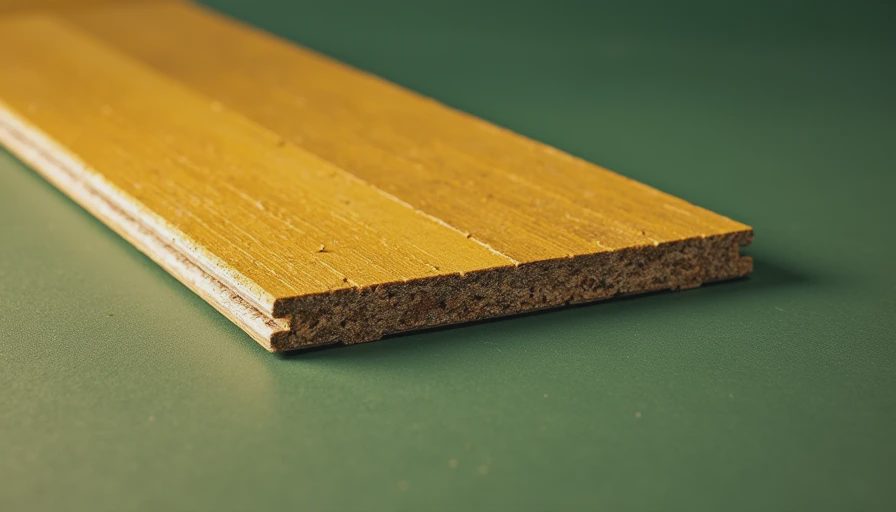
SPC stands for stone plastic composite, sometimes called stone polymer composite. It is a layered vinyl plank with a dense core made primarily from limestone powder and plastic. That core makes the plank more rigid than standard flexible luxury vinyl plank, while the printed wear layer gives you wood, stone, or tile patterns. For a busy kitchen, basement, rental, or family room, that combination can make good sense.
What SPC Flooring Actually Does Well
The rigid core gives SPC flooring a solid feel underfoot. Compared with inexpensive flexible LVP, it is less likely to telegraph tiny dips in the subfloor, though it still needs a reasonably flat surface. A quality product can handle normal kitchen spills, muddy shoes, pet accidents, and the occasional dropped pan without swelling like laminate or staining like cheap carpet.
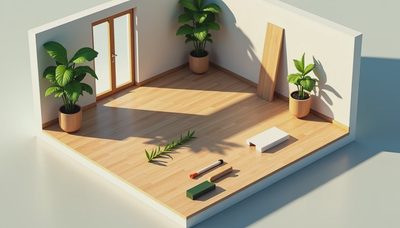
Most SPC flooring is sold as a floating floor. Planks click together over a clean, dry, prepared subfloor, and the assembly is not glued or nailed down. Installation is faster than ceramic tile and usually less disruptive than hardwood. Material prices commonly run about $2.50 to $6 per square foot, with professional installation adding roughly $2 to $5 per square foot. Tear-out, furniture moving, floor leveling, and transitions can push the real project cost higher.
The wear layer matters more than the marketing phrase. For a normal home, I prefer a product with at least a 12-mil wear layer, and 20 mil is a better target for large dogs, busy hallways, or a house where you plan to stay. A thicker wear layer does not make the plank indestructible, but it gives the printed surface more protection from everyday abrasion.
The Subfloor Is Still the Boss
Here is the part that gets people in trouble: SPC flooring is rigid, not self-leveling. If the plywood has humps, loose seams, or a soft spot near the refrigerator, the finished floor will repeat those problems through movement, noise, or separated joints. Concrete basements bring their own concerns, including moisture, cracks, and uneven areas around old walls.
Before installation, remove baseboards and inspect the surface in good light. Scrape off drywall mud, pull staples, secure squeaky plywood, and fill low areas with an appropriate patching compound. Use a long straightedge to find dips instead of trusting your eyes. Many manufacturers allow only a small amount of variation over a given distance, so follow the product instructions rather than guessing.
I once lost money on a basement job because the customer and I agreed to install over an old adhesive ridge. It looked harmless. After the floor went down, sunlight from the patio door showed every inch of it. We pulled up the worst section, skim-coated the concrete, and installed again. The second labor bill came out of my pocket. That was a cheap lesson compared with letting the homeowner live with it.
Is SPC Flooring Waterproof?
The plank itself is generally water resistant because its core does not absorb water like wood-based laminate. That makes SPC flooring a sensible material for kitchens, laundry rooms, mudrooms, and many basements. But a floating floor is not a swimming pool liner. Water can travel through seams, around plumbing penetrations, under baseboards, and beneath an improperly sealed transition.
Clean spills promptly, especially at a dishwasher or exterior door. Do not flood the floor with a soaking mop. In a basement, solve moisture problems before choosing a finish. A dehumidifier cannot repair water entering through a foundation crack, and no plank warranty turns a damp slab into a dry one.
Temperature also matters. Keep cartons inside the home long enough to acclimate according to the installation instructions, and leave the required expansion gap at walls and fixed objects. Cover that gap with baseboard or shoe molding, but do not nail through the planks. Pinning a floating floor can cause buckling when the room warms up.
Where SPC Makes Financial Sense
For a 400-square-foot kitchen and family room, a realistic installed budget might land between $2,000 and $4,400 before major leveling or furniture work. That is not pocket change, but it is often less than properly installed hardwood and usually less messy than removing tile. A midrange SPC product also gives a homeowner a consistent look across rooms without the cold, hard maintenance routine of grout.
The value is strongest when the existing floor is ugly but structurally sound. If you have worn sheet vinyl, stable tile, or a flat concrete slab, an overlay can save demolition and disposal costs. I have seen homeowners spend $1,200 removing a floor that could have served as an acceptable base after cleaning and patching. The savings disappeared before the new material reached the doorway.
Do not overlay loose vinyl, water-damaged wood, soft laminate, or tile with hollow sections. New planks do not cure an old floor; they only make the old problem harder to reach. Include transitions, stair noses, quarter round, underlayment if required, and ten percent extra material for cuts and future repairs when you build the estimate.
The Drawbacks Nobody Puts on the Display Sample
SPC flooring can feel harder and less warm than engineered wood or cork. In a bedroom, that may not bother you. In a playroom where somebody spends hours on the floor, it might. Rugs help, but they also need non-staining pads approved for vinyl surfaces. Direct sunlight can fade some products over time, so use window coverings in rooms with strong afternoon exposure.
Repairs are another trade-off. A scratched plank can sometimes be replaced, but you need the exact color and click profile, and nearby baseboard may have to come off. Keep a few spare cartons in a dry closet. A bargain product that disappears from stores after one season can turn a simple repair into a full-room replacement.
Installation is approachable for a careful DIY homeowner with a tapping block, pull bar, spacers, a sharp utility knife, and patience. Door jambs, crooked walls, stair edges, and multiple transitions are where the job stops being a weekend carton-opening exercise. If the room is not square or the subfloor needs extensive leveling, paying a good installer $500 to $1,500 can prevent a much more expensive redo.
My Straight Answer for Your House
Choose SPC flooring when you need a durable floating floor, want convincing wood or stone visuals, and are willing to prepare the surface properly. It is especially useful for kitchens, finished basements, entry areas, and rental properties where spills and traffic are part of the deal. Spend more on a reliable locking system, a sensible wear layer, and matching trim before spending extra for a dramatic embossed texture nobody notices after the furniture arrives.
Skip it when you want the warmth and repairability of real wood, when the room has serious moisture problems, or when the only reason for choosing it is avoiding subfloor repairs. Those repairs are part of the floor project, not an optional upgrade. Get two estimates: one for installation over the existing surface and one for full removal. The difference tells you whether the old floor is actually worth saving.
Floors take a beating every day. Don't let them beat your budget too. TL;DR: SPC flooring is a good workhorse when the subfloor is flat, dry, and honestly prepared; it is not a shortcut around bad construction.

Travellers Write
No letters yet — be the first traveller to write.