You don't need to spend $8 a square foot to get a floor you can live with. Over 18 years in the trade, I've installed all the affordable flooring options you can name, from peel-and-stick tile to contractor-grade laminate. Some surprised me. A few taught me why 'cheap' and 'affordable' aren't the same thing. This guide is about that difference.
Most homeowners shop by sticker price instead of per-square-foot cost over the floor's real life. A 79-cent vinyl tile that starts curling at year two is more expensive than a $2.50 laminate that lasts fifteen. The affordable flooring options that actually save you money are the ones you install once and forget.
Where Affordable Flooring Options Actually Stack Up
In 18 years of installing floors in St. Louis, I've seen every budget category. Here's how the tiers break down for a typical 15x15 room.
At the bottom is peel-and-stick vinyl tile, around 50 cents to $1 per square foot in materials. It's the cheapest thing in the flooring aisle, and it looks it. The adhesive fails within a few years, especially in kitchens with temperature swings. I've pulled up thousands of these.
Next is sheet vinyl at $1 to $2 per square foot, and laminate at $1 to $3. Both are legitimately affordable flooring options if you pick the right product line. Laminate from brands like Shaw or Mohawk with a thick wear layer handles pets and rentals. Sheet vinyl is waterproof and quiet, but it seams and tears over time.
Then you hit the sweet spot: vinyl plank at $2.50 to $5, and engineered hardwood at $4 to $8. These are middle-tier floors, and they're where I'd point most homeowners. But if your budget is tight, you can still do a whole house with the right laminate.
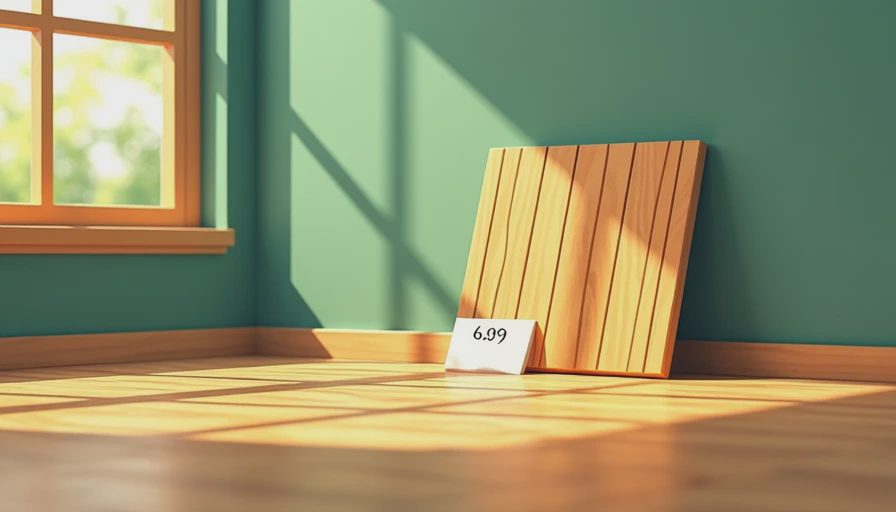
Five Affordable Flooring Options Worth Your Money
Now for specifics. These are the materials I've installed and would install again, ranked by value.
Laminate with a thick wear layer. Something like Shaw Repel or Mohawk RevWood runs $2 to $3.50 per square foot. I put it in a rental duplex in 2017 and it's still going. It resists scratches and doesn't buckle like the thin laminate from big-box stores.
Commercial-grade sheet vinyl in a bathroom or laundry room. A glue-down floor from Armstrong or Tarkett at $1.50 to $2.50 comes in sheets that are virtually waterproof. For wet areas, that's one of the most affordable flooring options you'll find, and it's quiet underfoot.
Mid-grade luxury vinyl plank with a 12-mil wear layer. You don't need the $5-per-foot stuff. Look for a click-lock product from COREtec or LifeProof at $2.80 to $3.50. It's waterproof, DIY-friendly, and holds up to everyday life.
Builder-grade laminate from a local flooring distributor. Dig past the national chains and you can find 12mm laminate with an AC3 rating for $1.80 to $2.20 per square foot. Contractors use this for flips because it looks good and installs fast.
Refinished hardwood from under the carpet. If your house has old oak or pine under the carpet, sanding and refinishing it at $3 to $5 per square foot gives you a floor no new budget material can match. It's more work, but it's the best value of any floor I know.
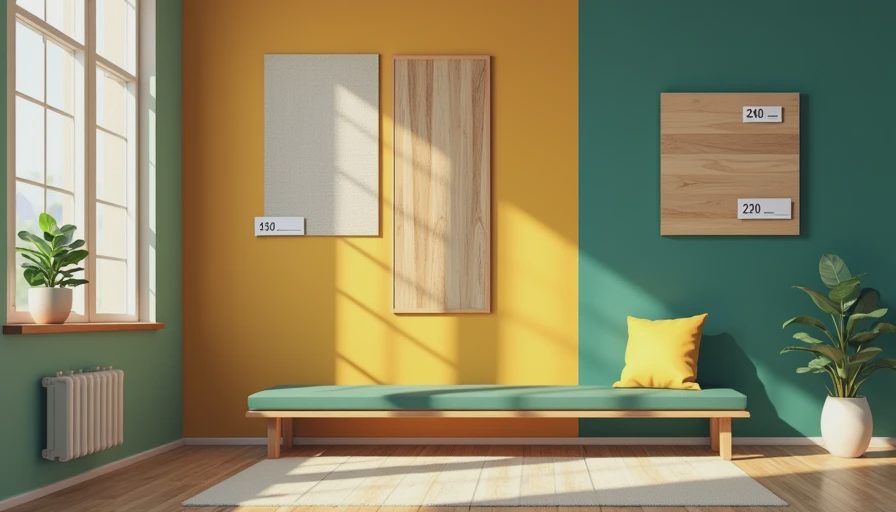
The Flooring I'd Skip Even on a Tight Budget
If you're hunting for affordable flooring options, avoid peel-and-stick tile. I know it's tempting at 79 cents a square foot, but I've watched it fail more than any other floor. The adhesive melts in sunlight, tiles shift under heavy furniture, and removal later is a miserable job. It sits at the top of my Hall of Shame.
I'd also skip the thinnest 10-mil LVP you find online. It looks like a deal, but you'll feel every uneven subfloor joint, and the print pattern barely hides itself. Spend a little more for a rigid core, or find a closeout on a better product.
How to Make Cheap Flooring Look Expensive
The material is only half the story. I've installed $2 laminate that looked like $6 because the homeowner prepped the subfloor properly and used transitions that fit. Here's what matters more than the floor itself.
Level the subfloor. A wavy floor ruins any covering. Use self-leveling compound where you need it, and don't skip it thinking the floor will hide it.
Add matching quarter round and reducer strips. That $30 in trim makes the floor look intentional. It also covers the ugly expansion gap at the edges.
Pay attention to layout. Start from the longest straight wall and avoid tiny slivers at the edges. That's the difference between a floor that looks like a pro did it and one that screams 'budget job.'
Don't forget underlayment. A good pad under laminate or LVP adds 20 minutes of install time and years of life. It also kills the hollow echo that makes cheap floors sound cheap.
Bottom Line
Floors take a beating every day. Don't let them beat your budget too. You can absolutely get a floor that looks good and lasts without spending a fortune — just skip peel-and-stick, buy a mid-grade product, and prep the subfloor the right way.
TL;DR: Pick a mid-grade laminate or LVP, level the subfloor, and skip the cheapest tile in the aisle.

Travellers Write
No letters yet — be the first traveller to write.