The first mistake people make with best glue down vinyl flooring is thinking the glue is the easy part. It is not. The floor only works when the subfloor is flat, dry, clean, and boring enough to make the installer look underpaid. I have seen cheap vinyl last ten years and expensive vinyl fail in one winter because the slab had too much moisture or the patch job underneath was sloppy.
If you are shopping for best glue down vinyl flooring, the product name matters less than the structure under it. You want a stable wear layer, a real adhesive plan, and a subfloor that does not move like a trampoline. When all three line up, you get a floor that feels tighter underfoot than floating planks and handles rolling chairs, pets, and a kitchen full of dropped pans without much drama.
What glue-down vinyl does better than floating floors
Glue-down vinyl earns its keep in busy rooms because it sits flat and stays quiet. In a kitchen, basement, mudroom, or rental unit, that matters. A glued floor does not have the hollow click you sometimes get with floating LVP. It also handles transitions and long hallways better, especially in houses where the subfloor is not perfect and never will be.
In my own house, I tested a glue-down plank in a laundry room that gets constant foot traffic and the occasional detergent spill. The wear layer held up fine, but the real win was the feel. No bounce, no drum sound, and no edge movement where the washer shakes a little on spin cycle. That is the part homeowners notice after the novelty wears off.
The best glue down vinyl flooring is usually not the cheapest box on the shelf. A decent commercial-grade plank or tile often lands around $2.50 to $5 per square foot for material, with installed jobs commonly running $5 to $9 per square foot depending on prep. If the slab needs leveling or moisture mitigation, the bill climbs fast. That is not a sales pitch. That is me saving you from the surprise invoice.
The specs that matter before you buy
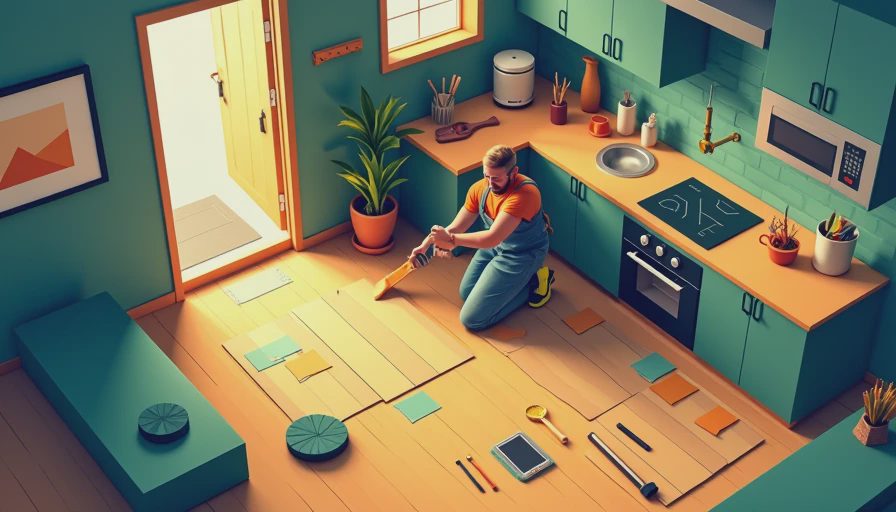
Forget the glossy display board for a minute and look at three things: wear layer, total thickness, and manufacturer installation rules. For most homes, a wear layer in the 12 to 20 mil range is the sweet spot. Go thinner and you are buying a short-term fix. Go thicker and you are not automatically buying better performance if the rest of the plank is junk.
Total thickness matters less than people think, but it still tells you something about feel and stability. A 2 mm plank is common in glue-down work, while some commercial products run thicker. What you do not want is a flimsy plank that telegraphs every trowel ridge under it. A good product should also allow the right adhesive type, not some mystery glue from a shelf at the back of the store.
If you want best glue down vinyl flooring that actually performs, read the warranty page like you are trying to catch someone lying. Look for room-temperature limits, moisture limits, and subfloor requirements. The warranty usually tells you more than the marketing sheet. Brands such as Shaw, Mohawk, Karndean, and Armstrong all make lines that can work well, but no brand saves a bad prep job.
Why subfloor prep eats the budget
This is where most homeowners get mad, and they should be mad at the right thing. Glue-down vinyl is unforgiving. A floating floor can hide small sins. Glue-down vinyl exposes them. Every hump, low spot, crack, dust speck, and bad seam wants to show up later as a hollow sound or a lifted edge.
On a typical job, I have seen floor prep cost anywhere from $1 to $3 per square foot before the first plank goes down. On a rough slab, it can go higher if we need patch, self-leveling underlayment, moisture testing, or old adhesive removal. That is why the quote from the guy who “just lays floors” looks great right up until he starts adding change orders.
If you are on a slab in a basement, moisture testing is not optional. If the slab is too wet, even a good adhesive can let go. In wood subfloors, squeaks and loose panels need to be fixed first or the floor will print every movement back at you. The best glue down vinyl flooring does not forgive lazy prep, and I have lost money learning that lesson the hard way.
Where glue-down makes the most sense
I like glue-down vinyl most in rooms where water, traffic, or tight transitions matter. Kitchens are an easy fit. So are laundry rooms, basements, and many bathrooms if the product is rated for it. In a house with an awkward layout, glue-down also handles cut-ins around cabinets and door jambs better than a click floor that needs room to float.
For homeowners comparing options, the money question is simple. If you are doing a small room and the floor is flat already, glue-down can be a clean, durable choice. If you are doing an entire main level and the subfloor needs major correction, a floating floor might look cheaper on paper because the labor is lighter. But if the floating product ends up sounding cheap or moving at the seams, you did not really save anything.
The best glue down vinyl flooring usually pays off in houses where you want a lower profile, a quieter surface, and a floor that does not fight your trim or cabinetry. That is especially true in remodels where every quarter inch matters.

How to compare products without getting sold
When I shop a job, I look at four things in order: substrate requirements, wear layer, adhesive compatibility, and the installer instructions. If a product buries that information, I move on. A decent manufacturer expects a real floor contractor to read the paperwork. A bad one hopes you do not.
I would also watch the total installed cost, not just the product tag. A plank that costs $1.99 per square foot can turn into a $7 or $8 floor once you add adhesive, patch, rollers, labor, and trim work. On the other hand, a slightly pricier plank with easier prep and better wear can be the cheaper floor over five years because it does not need babysitting.
Here is the short version I give homeowners: if the room is dry, the floor is flat, and you want a tight, professional finish, glue-down is a smart move. If the slab is bad, the budget is thin, and nobody wants to pay for prep, do not pretend the cheap option is the smart one. Floors take a beating every day. Don't let them beat your budget too.
A simple buying checklist for homeowners
Before you sign off on any job, ask for the exact product name, wear layer, adhesive type, and prep plan. Ask whether the installer is doing moisture testing on a slab. Ask what happens if the subfloor needs leveling after demo starts. Those questions are boring, which is why they save money.
Also ask for one real number: the installed price per square foot with prep included. That answer is worth more than a showroom smile. If someone gives you a low material number and dodges the labor, you are being set up for the old “we found something under the floor” conversation.
If you want my honest take, the best glue down vinyl flooring is the one that fits the room, not the one with the loudest display. A quiet, flat floor that survives wet shoes, chair legs, and a few bad spills is worth more than a flashy sample that only looks good in a cart.
TL;DR: Pick the floor after you inspect the subfloor, not before. Call me crazy. Then call me after you get the estimate.


Travellers Write
No letters yet — be the first traveller to write.