The first thing homeowners get wrong about engineered hardwood vs hardwood is assuming one is fake and the other is real. Both have a genuine wood wear layer. The difference is what sits underneath it, how the boards react to moisture, and how many bad decisions your budget can survive. I have installed both for 18 years, and the right answer usually comes down to the room, the subfloor, and whether you plan to stay in the house long enough to refinish the floor.
What You Are Actually Buying
Solid hardwood is milled from one piece of lumber from top to bottom. Common choices include red oak, white oak, maple, hickory, and walnut. A typical plank is three-quarters of an inch thick. That thickness gives solid wood plenty of material for sanding and refinishing, but it also gives the board more room to expand and shrink as indoor humidity changes.
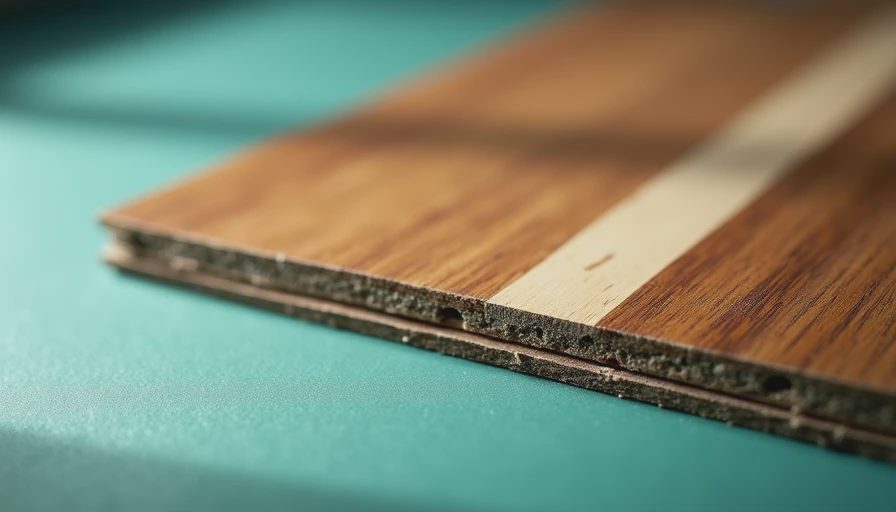
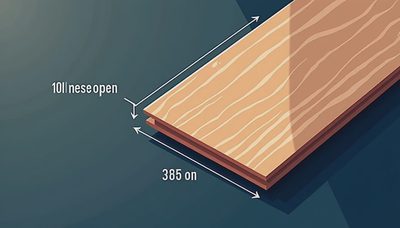
Engineered flooring has a real hardwood top layer, often called the wear layer, bonded over plywood-like layers arranged in alternating directions. Better products use a wear layer around three-sixteenths of an inch thick or more. Cheap engineered boards can have a thin veneer that gives you little sanding life. The product name alone does not tell you the quality; look at the construction and warranty details.
That is the basic answer to engineered hardwood vs hardwood: solid is one piece of wood, while engineered is a real wood surface built on a more stable core. Neither category automatically wins.
Cost: The Floor Price Is Not the Project Price
For mid-range materials, homeowners often see engineered planks priced around $4 to $9 per square foot and solid hardwood around $5 to $10. Installation can add $3 to $8 per square foot, depending on layout, location, stairs, trim, and whether the existing floor has to come out. A 600-square-foot room can therefore land anywhere from roughly $4,200 to $10,800 before unusual repairs.
The comparison gets more interesting when preparation enters the estimate. Engineered boards can often be floated over an approved underlayment, though glue-down or nail-down installation may produce a better feel. Solid hardwood is usually nailed to a wood subfloor and needs a reasonably flat, dry surface. If the subfloor needs patching, leveling, or replacement, the cheaper material can become the expensive choice.
I once underbid a solid oak job because I treated subfloor repairs as a small nuisance. They ate two days and most of my margin. The homeowner did not cause that problem, but the estimate should have exposed it earlier. Ask for a line-item price for removal, prep, installation, baseboards, transitions, and disposal. A low material price is not a low finished-floor price.
Moisture and Seasonal Movement
This is where engineered flooring earns its keep. The crossed layers resist the twisting and expansion that can make solid boards cup, crown, or gap. That does not make engineered wood waterproof. A dishwasher leak, wet basement, or slab with excess moisture can still ruin it. It simply gives the floor a larger margin for normal seasonal movement.
Solid hardwood is a better fit for a dry, conditioned space with stable indoor humidity. In an older St. Louis house, I would pay close attention to the basement, crawl space, and exterior walls before recommending it. A beautiful oak floor installed over a damp crawl space is not a classic renovation; it is a future callback.
For a concrete slab, engineered flooring is usually the practical wood option because it can be glued or installed as a floating system when the product allows it. Solid hardwood over concrete requires a more involved assembly and careful moisture control. That extra labor can erase the price difference quickly.
Refinishing, Repairs, and Long-Term Value
Solid hardwood has the clearest advantage when you are thinking in decades. A quality three-quarter-inch floor can often be sanded several times during its life, assuming the boards have enough remaining thickness and the fasteners will not be exposed. That makes deep scratches, old finish, and color changes repairable rather than permanent.
Engineered hardwood can also be refinished, but the wear layer determines how aggressively and how often. A heavy, well-made product may handle one or two professional refinishes. A thin veneer may only tolerate screening and recoating, which removes finish without taking much wood off. Never let a salesperson promise unlimited sanding without identifying the actual wear-layer thickness.
Small repairs are possible with either floor, but board replacement is more complicated when the flooring runs under cabinets or connects to several rooms. Matching an older stain is also difficult. If your home already has solid oak with surface scratches, a sand-and-refinish estimate of $3 to $6 per square foot can be dramatically cheaper than replacing the entire floor.
Installation Details That Change the Decision
Solid hardwood is commonly blind-nailed, which leaves a traditional, firm feel underfoot. Engineered material can be nailed, glued, or floated, depending on the manufacturer. Floating installation is faster, but the floor can sound less solid if the subfloor is uneven or the underlayment is poorly selected. The installer still matters more than the sales brochure.
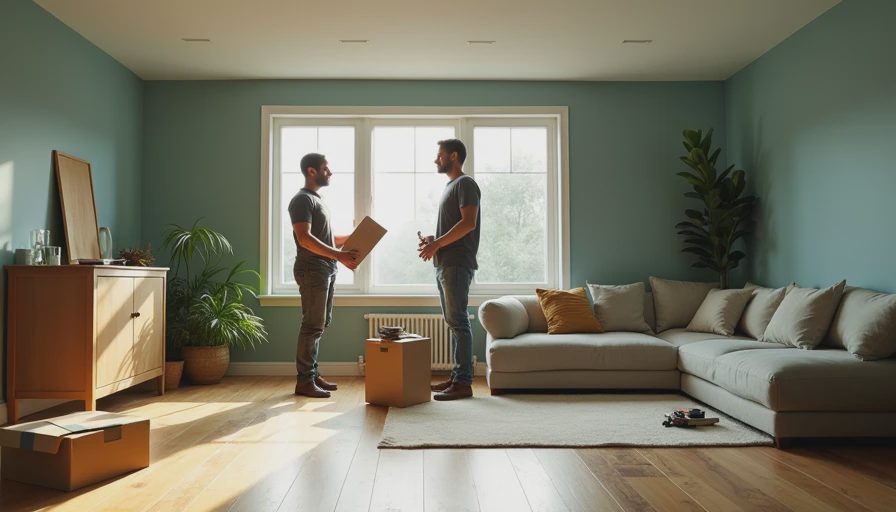
Before either floor arrives, the house should be enclosed, conditioned, and ready for acclimation according to the product instructions. The subfloor should be checked for moisture and flatness, not just swept clean. Door casings may need to be undercut, appliances may need clearance, and transitions must be planned before the first board is cut.
Do not install wood directly over a questionable basement slab because a store employee said the underlayment is waterproof. Moisture management is a system involving the slab, adhesive or vapor retarder, flooring, and room conditions. Skip that investigation and you can spend thousands diagnosing gaps six months later.
My Practical Recommendation
Choose solid hardwood when you have a dry wood subfloor, want the longest refinishing runway, and expect to stay in the house for many years. Oak is forgiving, widely available, and easier to patch than dramatic species with unusual colors or grain. I would rather see a good unfinished oak floor installed correctly than an expensive exotic floor installed over a bad substrate.
Choose engineered hardwood when you are working over concrete, dealing with moderate seasonal movement, or want a factory finish with fewer finishing steps on site. Buy a product with a substantial wear layer, a stable core, and clear installation requirements. Do not select it solely because the sample is fifty cents cheaper per square foot.
For many kitchen and whole-house renovations, engineered hardwood is the safer recommendation. For a classic restoration where the floor is part of the home's character, solid hardwood still has the deeper repair and refinishing advantage. That is my honest position after plenty of jobs where the supposedly obvious choice was not obvious at all.
Questions to Ask Before Ordering
Ask how thick the wear layer is, what installation methods are approved, and whether the warranty requires a particular adhesive or moisture barrier. Confirm the total installed price, including floor removal and disposal. Order extra material for future repairs; five to ten percent is common, and more may be sensible for diagonal layouts or rooms with many closets.
Bring home samples and look at them in morning and evening light. A showroom can hide orange undertones, joint visibility, and texture. Put the samples beside cabinets, trim, and adjacent flooring. Also check the transition height at tile, carpet, and exterior doors. A floor that looks great in one room can create an awkward trip edge at the hallway.
The simple answer to engineered hardwood vs hardwood is not about which material is more authentic. It is about matching construction to the building. Spend money on moisture testing, flatness, and competent installation before upgrading to a wider plank or fancier stain. Floors take a beating every day. Do not let them beat your budget too.
TL;DR: Engineered hardwood vs hardwood comes down to stability versus maximum refinishing life; choose the construction your house can actually support.
Travellers Write
No letters yet — be the first traveller to write.