The first thing homeowners get wrong about exterior waterproof flooring is thinking the surface itself does the waterproofing. It does not. The real work comes from slope, drainage, seams, and the layer underneath the finish. If that part is sloppy, the prettiest tile or plank on the shelf will still leak, buckle, or grow a nice green coat of mildew after one wet season.
I have torn out enough bad porches and balcony floors to know the pattern. Somebody buys the expensive finish, skips the membrane, and hopes caulk is a plan. It is not. Exterior waterproof flooring is a system, and if you treat it like paint, you will pay twice.
Start With the Water Path, Not the Showroom Sample
The first thing I look at with exterior waterproof flooring is where the water goes after it hits the floor. On a porch or balcony, that means slope away from the house, clean edges, and a way for water to leave before it gets trapped. A quarter inch of pitch per foot is the old rule of thumb, and it still saves more jobs than any fancy product label ever will.
If the base is a slab, a roof deck, or a wood-framed surface over living space, the structure matters more than the finish. A membrane can be excellent and still fail if the surface dips, holds puddles, or dumps water against a wall. I once lost money on a job because the deck looked close enough to flat to the naked eye. It was not. Water sat in the low spot and found the weakest seam in about two storms.
That is why I tell people not to shop the surface first. Shop the system first, then pick the finish that fits the structure. Exterior waterproof flooring only works when the path for water is boring and obvious.
The Materials That Actually Hold Up
The materials that work best for exterior waterproof flooring are the ones that can take wet feet, freezing nights, and sun without turning into a maintenance hobby. Porcelain pavers are near the top of the pile because they do not swell, and they do not care much about UV. On pedestal systems, they give you drainage underneath and easy replacement if one piece gets cracked.
Composite decking from brands like Trex and TimberTech is another solid choice for a lot of porches and roof decks. It is not waterproof by itself, but paired with a correct build-up underneath, it handles weather better than softwood and asks for less sanding and staining. For a covered deck, that matters. Nobody wants to refinish boards every couple of summers.
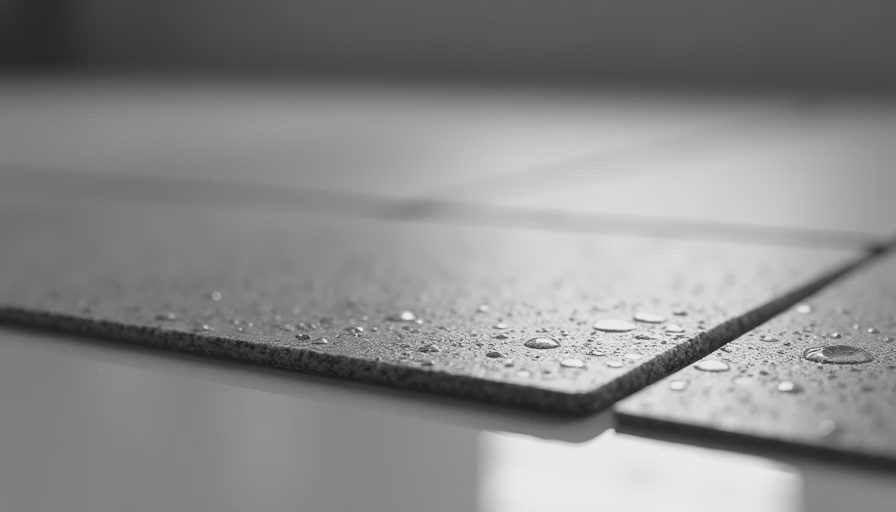
For tiled surfaces, I like a proper waterproof membrane, movement joints, and porcelain tile with a surface that has some grip when it gets wet. Schluter and similar systems are common because they address drainage and decoupling, not just stick the tile down and hope. That is the difference between a floor and a future demo project.
Where Homeowners Waste Money
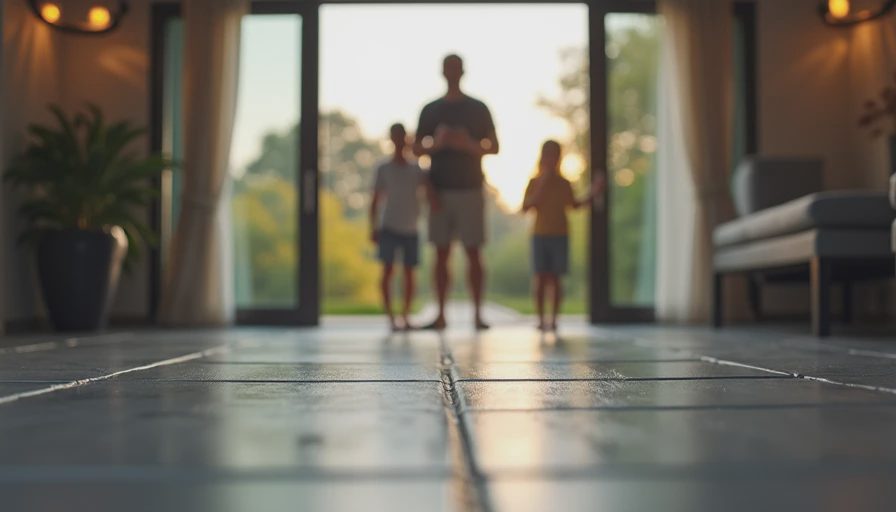
Where homeowners get burned with exterior waterproof flooring is trying to make a decorative finish solve a drainage problem. I see it on old concrete patios all the time. The slab is cracked, the slope is weak, and somebody wants a premium tile because the sample looked good under the store lights. Then the grout stains, the edge detail fails, and water keeps sneaking where it always wanted to go.
Cheap coatings can be a trap too. A roll-on deck coating sounds attractive at first because the material cost is low, but the prep is where the bill lives. If you need patching, grinding, primer, and more than one coat, the labor can outrun a simpler finish fast. A homeowner thinks they are saving money and ends up paying for the same square footage twice.
I am not anti-budget. I am anti-fake savings. If you are buying time, buy it with a system that can be serviced. If you are buying beauty, make sure the beauty does not depend on perfect weather and a prayer.
What the Price Really Looks Like
The cost of exterior waterproof flooring is easy to underestimate if you price only the finish layer. In my world, a basic painted or coated concrete surface might land around 8 to 15 dollars per square foot installed if the slab is in decent shape. Add crack repair, moisture issues, or a lot of prep, and that number climbs.
Porcelain pavers over a drainage system usually land higher, often around 18 to 35 dollars per square foot installed, and roof decks can run more because the prep is stricter and the details are touchier. Composite decking on a proper frame or sleeper system often sits in the 12 to 25 dollar range, depending on demolition and the condition of the structure. Those are not bargain numbers, but they are cheaper than ripping out a failed floor in three years.
The honest way to judge the spend is five-year cost, not day-one price. If a cheaper finish needs repainting, resealing, or full replacement sooner, the cheaper quote was just a nicer-looking invoice.
When You Should Stop DIY and Call a Pro
I usually tell people to call a pro when exterior waterproof flooring sits over living space, a roof deck, or any slab that already has a history of movement or leaks. That is where one bad detail can turn into drywall stains, rotten framing, or an argument with your insurance company. Covered porches are easier, but once water can reach the structure below, the margin for error gets thin fast.
The same goes for zero-threshold doors, stair landings, and older homes with odd transitions. Those are the places where a clean-looking finish can hide a bad condition underneath. A good installer will spend more time on the substrate than on the finish, and that is the right move. The glamour is in the top layer. The money is in the stuff you do not see.
If a contractor talks only about color, grout, or board profile and barely mentions slope, flashing, or drainage, keep walking. A good bid should sound a little boring. Boring details keep the water out.
A Simple Way to Choose the Right Setup
When people ask me how to narrow it down, I use three questions. First, is this exposed to rain, snow, or standing water? Second, is it over living space or just sitting on grade? Third, do you want the lowest maintenance option, or are you okay with regular care if it saves money up front? Those answers point you toward tile, composite, coated concrete, or pavers pretty fast.
For a wet, exposed space, durability and drainage beat fashion every time. For a covered porch, you can get a little more creative because the weather load is lower. For a roof deck, I want the most serviceable assembly I can build and enough slope to make water behave. That is the whole game.
Exterior waterproof flooring is worth the money when it is protecting something expensive or keeping a space usable through bad weather. Spend the budget on structure first, finish second, and details last. Do that, and the floor earns its keep instead of becoming another line item in the Hall of Shame.
TL;DR: Buy the system, not the sample board. Floors take a beating every day. Don't let them beat your budget too.



Travellers Write
No letters yet — be the first traveller to write.