The first mistake with flooring for mobile home projects is treating the job like a normal house with thinner trim. It isn’t. I have opened up enough floors to know the money goes into the deck underneath, the seams, and the transitions, not just the pretty layer you see when you walk in. If the floor feels soft near a tub, a hallway bow, or a kitchen sink, start there before you buy boxes of plank.
Start with the deck, not the showroom sample
In these homes, the finish floor is only as good as the plywood or particleboard below it. A lot of older units were built with 5/8-inch or thinner panels, and once water gets in from a washer, toilet, or roof leak, the edges swell and turn crumbly. That is why flooring for mobile home work can jump from a $2,000 weekend project to a $6,000 repair before the first plank goes down. If the subfloor is solid, great. If not, cut out the bad sections, add blocking where seams land, and screw the whole surface down before you think about finish material.
You can estimate square footage by size; a 14-by-70 single-wide is about 980 sq ft, and a 16-by-80 is closer to 1,280. A full tear-out on either one is not a tiny job. The important part is that the floor must be flat, dry, and tight. Fancy product does not fix bounce.
Materials that make sense

For most flooring for mobile home jobs, luxury vinyl plank is the safest bet because it is light, water-resistant, and forgiving on a floor that is not perfectly rigid. Good LVP usually lands around $4 to $8 per square foot installed in my market, with better wear layers and click systems at the high end. Sheet vinyl still makes sense in bathrooms, laundry rooms, and tight budgets, often closer to $3 to $6 installed. Carpet works in bedrooms if the house stays dry and the seams are handled right. Engineered wood can work too, but you want a stable structure under it and a homeowner who accepts more money up front.
I would not steer a mobile home owner toward ceramic tile unless the structure has been reinforced and the installer knows what he is doing. Tile is heavy, grout cracks when the floor flexes, and the prep bill climbs fast. That is how a $9-per-square-foot material turns into a $15 to $20-per-square-foot project before lunch.
When repair beats ripping everything out
This is where I save people the most money. If the damage is limited to a bathroom edge, a laundry corner, or one hallway seam, patch the bad area and keep the rest. I have fixed plenty of homes where the owner wanted to replace 1,000 square feet because of one rotten panel around a toilet flange. That is like changing the whole engine because the battery died.
A clean repair usually means removing the old covering, cutting back to sound subfloor, installing new underlayment or matching plywood, and then feathering the transition so the new floor does not telegraph a hump. If the existing finish is old sheet vinyl that is still bonded and the surface is level, sometimes you can float LVP over it after checking door clearances. If the old floor is soft, wavy, or smells like wet dog under the pad, do not build on top of it. That smell costs more later.
A quote should tell you where the money goes
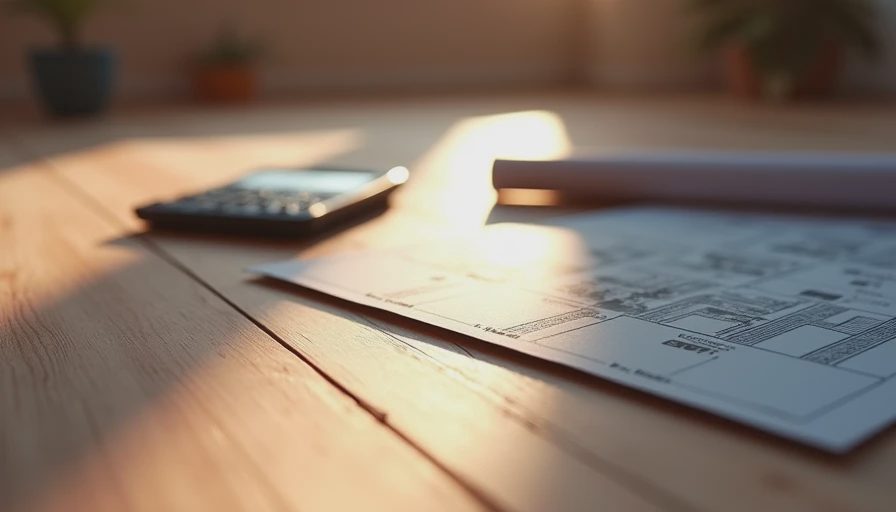
A decent quote for flooring for mobile home work should spell out demolition, subfloor repair, underlayment, moisture issues, trim, and transitions. If a bid only gives you a pretty square-foot number, it is probably leaving something out. I like to see separate line items for tear-out, haul-off, patching, and finish install because that is where the real labor lives.
Expect small repairs to add $300 to $1,500, depending on how many bad spots show up once the old floor comes up. A more involved rebuild can run several thousand if the joists need leveling or the belly wrap has been damaged by water intrusion. For most owners, the sweet spot is a durable vinyl floor with a proper subfloor fix, not the cheapest box-store special and not a luxury material that overbuilds the house.
If you are getting three quotes, compare what they say about prep, not just the total. The cheapest bid often assumes the floor is better than it is. That is a pleasant surprise for nobody except the guy getting paid to come back.
One job that looked cheap until the floor came off
I had a place where the owner thought he needed all-new finish flooring because the hallway felt spongy. The first quote came in around $3,400 for a basic LVP install. Once we pulled the old carpet and underlayment, we found two rotted seams and a bath leak that had traveled farther than anyone expected. The repair bill added another $1,900, but the floor was now solid instead of cosmetic. That is still better than paying to cover up a bad deck and discovering it again two winters later.
That sort of job is why I tell people not to shop by the prettiest sample. In flooring for mobile home work, the expensive mistake is usually not the material. It is skipping the ugly part underneath and hoping the surface will act like a bandage. Floors do not care what you hoped.
A simple way to decide
If the room is dry, the floor is flat, and the budget is tight, choose a material that tolerates movement and stays light. If the floor has recurring soft spots, stop and fix the structure first. If the damage keeps coming back after a patch, you are not buying a finish floor problem anymore. You are buying a moisture or framing problem.
That is the part people miss with flooring for mobile home projects: the visible layer is easy. The hard part is admitting when the real issue is underneath. Solve that, and the new floor lasts. Ignore it, and you will be shopping again before the warranty runs out.
TL;DR: Fix the subfloor first, then pick the finish. Call me crazy. Then call me after you get the estimate.


Travellers Write
No letters yet — be the first traveller to write.