The first thing homeowners get wrong about laminate flooring is assuming it is either cheap junk or a hardwood substitute. Neither is quite right. Good laminate flooring can be a smart choice for bedrooms, hallways, living rooms, and dry basements. Badly installed laminate flooring can swell at the edges, sound hollow underfoot, and make a $3,000 project feel like money thrown in the trash. I have installed enough of it to know the material is rarely the whole problem. Subfloor preparation and moisture control decide whether the job looks good five years from now.
What You Are Actually Buying
Laminate flooring is a layered product. The bottom balancing layer helps resist movement, the core is usually high-density fiberboard, the printed layer creates the wood or stone appearance, and the clear wear layer protects the surface. Those layers are fused under pressure. It is not solid wood, and it is not vinyl plank, even though the products can look similar in a store aisle.
The top brands sell planks with realistic grain patterns, beveled edges, and stronger locking systems. Pergo, Mohawk RevWood, and higher-end offerings from TrafficMaster or Quick-Step can look convincing from across a room. Up close, the repeating pattern and hard surface give the game away. That is not automatically a dealbreaker. A midrange floor does not need to pretend it is an antique oak floor to be useful.
Pricing usually falls around $1.50 to $4.50 per square foot for material. Add underlayment, transitions, delivery, removal, and installation, and a typical installed price lands closer to $4 to $9 per square foot. A 500-square-foot living area might therefore cost $2,000 to $4,500. The low end assumes a clean, flat subfloor and a straightforward layout. Stairs, furniture moving, old flooring removal, and extensive leveling push the number upward quickly.
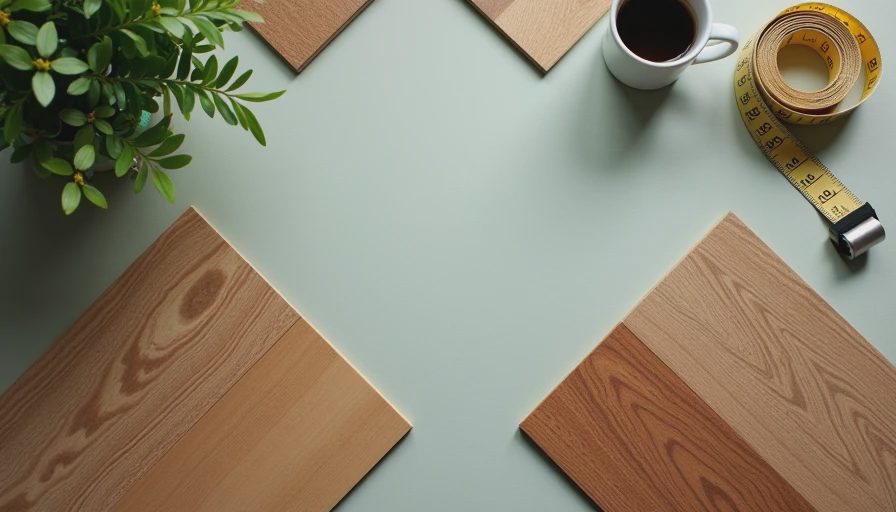
Where Laminate Flooring Earns Its Keep
Laminate flooring works best in rooms where spills are occasional and the subfloor is stable. Bedrooms are an easy win. So are living rooms, dining rooms, offices, and many hallways. It handles normal foot traffic, dog nails, rolling desk chairs, and muddy shoes better than some homeowners expect. A textured matte finish usually hides dust and small scratches better than a glossy dark plank.
It is also useful when you need a fast visual upgrade without the cost or disruption of sanding old floors. The boards float over the underlayment, so there is no glue spreading across the room and no nail gun involved. A competent installer can cover several hundred square feet in a day once the materials have acclimated and the subfloor is ready.
That speed is the main reason I recommend it for certain renovation budgets. I once priced a full hardwood replacement for a family with a damaged upstairs hallway. The estimate approached $7,800 after demolition, new material, finishing, and trim work. A quality laminate flooring installation came in near $3,400. The homeowners used the savings to repair the bathroom below, which was the better decision. Floors take a beating every day. Don't let them beat your budget too.
The Moisture Problem Nobody Wants to Hear About
Standard laminate flooring and standing water are a bad combination. Water can enter through seams or exposed edges, soak into the fiberboard core, and cause swelling that cannot be sanded flat. A damp mop is usually fine when used correctly. A dishwasher leak, wet basement slab, or overflowing pet bowl left overnight is a different story.
Kitchens can work, but the installation needs careful attention around the dishwasher, refrigerator, sink cabinet, and exterior doors. Sealant at vulnerable perimeter areas can buy time, but it does not turn ordinary boards into waterproof flooring. For bathrooms, laundry rooms, and below-grade spaces with a history of moisture, I usually steer homeowners toward waterproof rigid-core vinyl or tile instead.
Before ordering material, tape a plastic sheet to the concrete slab for a day or two and look for condensation. Inspect for musty smells, dark edges, and chalky residue. Those signs do not prove a problem by themselves, but they are enough reason to test further. Installing a floor over a wet slab is how a cheap project becomes a demolition project.

Installation Details That Separate Good Work From Trouble
The manufacturer normally requires a flat subfloor, often within a small tolerance over a given distance. That specification matters more than whether the surface looks clean. A hump can stress locking joints, while a low spot lets boards flex and separate. Use a long straightedge across the room. Mark dips with a pencil, then fill or grind them before laying the first plank.
Leave the required expansion gap around walls, cabinets, pipes, and fixed objects. The floor needs room to expand and contract with seasonal humidity. Baseboards or quarter-round cover the gap; they should not pin the floor tightly against the wall. I have seen entire rooms buckle because an installer skipped this step behind a kitchen island.
Plan the layout before cutting. Avoid ending several neighboring rows with tiny pieces, and stagger end joints according to the product instructions. Keep transitions beneath closed doors when possible. A doorway that shows three different flooring heights is not a design statement; it is an ankle trap. Use the correct underlayment, and do not stack extra padding beneath a product that already includes it. Too much softness can damage the locking edges.
DIY is realistic for a patient homeowner with basic tools, but demolition and subfloor repair are where many weekend projects go sideways. You need a tapping block, pull bar, spacers, saw, tape measure, and enough time to make careful cuts. Hiring a pro often costs $2 to $5 per square foot for installation, but that price can be cheap insurance when the room is irregular or the existing floor is hiding problems.
Laminate Flooring Versus the Alternatives
Compared with hardwood, laminate flooring costs less, installs faster, and does not require refinishing. Hardwood wins on repairability and long-term value. A scratched oak floor can be sanded and refinished several times; a damaged laminate plank is usually replaced. Keep a few spare boards in a dry closet because matching a discontinued color six years later is mostly a matter of luck.
Compared with luxury vinyl plank, laminate flooring often has a sharper wood texture and a more solid feel underfoot. Vinyl handles moisture better and can be quieter, especially with a quality attached pad. Tile wins in wet areas and tolerates heavy abuse, but it is colder, harder, and more demanding to install. Carpet remains warmer and softer in bedrooms, although it holds stains and wears differently.
The right choice comes down to the room, not the sales display. If you want wood appearance in a dry space and need to control the budget, laminate flooring deserves a serious look. If the room sees frequent water, choose a material designed for that abuse instead of hoping a warranty saves you.
How to Buy Without Regretting It
Buy at least 10 percent extra for cuts and future repairs, and closer to 15 percent for a room with angles, closets, or diagonal walls. Open several cartons before installation to check color variation. Keep boxes flat in the home where they will be installed, following the product's acclimation instructions. Do not store them in a garage with wide temperature swings and then expect perfect joints the next morning.
Ask the installer exactly what is included. “Installation” may not cover furniture moving, old flooring removal, baseboard removal, disposal, floor leveling, transitions, or door trimming. Those extras can add $500 to $1,500 to a medium project. Get them written down before the first plank is cut.
My own house has laminate flooring in an upstairs room that sees kids, muddy shoes, and a dog who believes every rug is a starting gate. After several years, it still looks respectable because the subfloor was flat and the room stays dry. That is the real lesson: buy a sound product, prepare properly, and use it where its weaknesses will not be tested every day.
TL;DR: Laminate flooring is a smart budget floor for dry, stable rooms, but moisture and sloppy preparation will beat it faster than normal foot traffic ever will.



Travellers Write
No letters yet — be the first traveller to write.