The biggest mistake people make about low maintenance flooring is assuming “easy to clean” means “hard to damage.” Those are different promises. A smooth floor can mop up quickly and still show scratches, swell at a bad seam, or look rough after a few years of grit and dog nails. I spent 18 years installing and refinishing floors, and my practical answer is this: choose for the mess your household actually makes, then spend money on proper prep. A cheap floor over a lousy subfloor is still a lousy floor.
What low maintenance flooring really means
For most homeowners, low maintenance flooring means no sanding, no routine waxing, and no special cleaner that costs as much as lunch. It does not mean no care. Dirt acts like fine sandpaper under shoes, spills can find seams, and furniture legs can leave marks on almost anything. A quick sweep or vacuum and the occasional damp mop are still part of the deal.
The useful comparison is the work required over five or ten years, not the first Saturday after installation. Solid hardwood can be refinished, but it asks for more care and can be damaged by standing water. Porcelain tile shrugs off water and scratches, but grout needs attention and a dropped cast-iron pan can chip a tile. Luxury vinyl plank, usually called LVP, is comfortable and simple to clean, though it can dent and the quality of the wear layer matters. There is no material that wins every category.
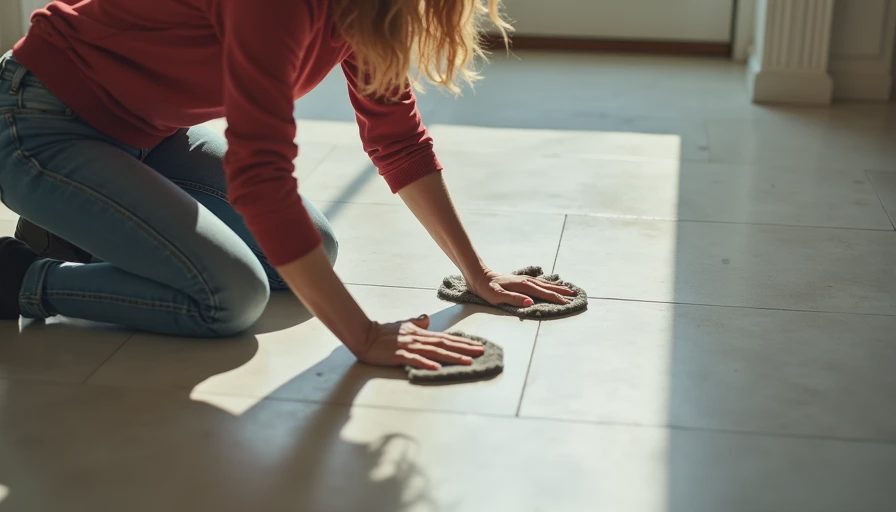
LVP: the practical choice for busy rooms
For a kitchen, mudroom, or finished basement, quality LVP is often my first look. It handles ordinary spills better than wood, feels warmer underfoot than tile, and does not need refinishing. Installed prices commonly land around $4 to $9 per square foot, depending on product, labor, demolition, and floor preparation. A 500-square-foot room might therefore run roughly $2,000 to $4,500 before unusual repairs or major furniture moving.
The catch is underneath. Click-lock planks need a flat, stable surface; they do not magically bridge dips and humps. I have seen a homeowner blame a product for separating when the real problem was a lumpy subfloor that should have been corrected first. Ask the installer how they will check flatness and what prep is included. Also read the care instructions: “water resistant” does not mean a leak can sit unnoticed under the floor forever. LVP is a strong low maintenance flooring candidate when the room and installation suit it, not a license to ignore moisture.
Tile lasts, but grout is part of the bargain
Porcelain tile is the workhorse for bathrooms, laundry rooms, and entries where water is a regular visitor. The tile itself is easy to wipe down and resists everyday scratches well. Material and installation often total about $8 to $20 per square foot; intricate layouts, demolition, and subfloor work can push the number higher. Tile is also cold and hard, which gets old when you stand at a kitchen counter for an hour.
Grout is where “maintenance-free” talk falls apart. Sealed cement grout still needs cleaning, and it can stain if spills sit. Larger tiles with narrower grout joints reduce scrubbing, but they demand a flatter floor and careful installation. Epoxy grout can resist stains better, though it costs more and takes an experienced installer to work cleanly. If you choose tile, budget for the whole assembly—underlayment, waterproofing where required, setting materials, and grout—not just the attractive square-foot price on the box.
Laminate and hardwood: know their limits
Modern laminate can offer convincing wood visuals at a moderate cost, often around $3 to $8 per square foot installed. It resists many surface scratches, but water at edges and joints is still a concern for many products. It can work well in bedrooms or living areas, provided the manufacturer’s instructions match the room. I would not install a standard laminate in a bathroom and hope for the best.
Hardwood is not the lowest-effort option, but replacing it is not always the smart move. If the boards are solid and have enough wear layer left, sanding and refinishing may cost roughly $3 to $8 per square foot, while new hardwood installation can run $8 to $18 or more. Those ranges shift with location and floor condition. In my own house, I sweep the oak regularly and wipe spills promptly. It shows life, which is not the same as failure. A low maintenance flooring decision should account for whether you value easy cleanup or the option to renew the surface later.
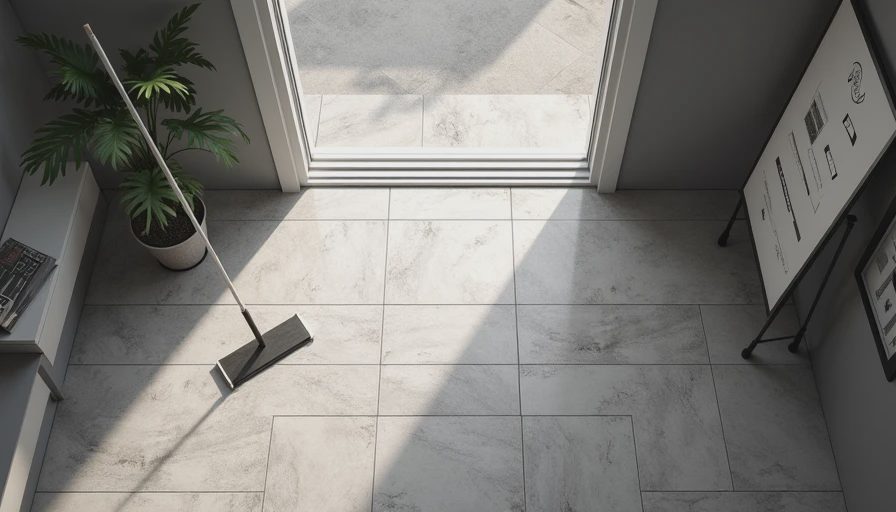
Spend on preparation, not just the product
Before ordering anything, pull up a vent cover or threshold and inspect what you can see. Look for old adhesive, soft spots, water staining, and changes in floor height between rooms. Measure the room, then add the transitions, underlayment, trim, delivery, and disposal to your budget. Those “small” items can turn a material quote into a project that costs hundreds or thousands more.
Get two written estimates that describe demolition and subfloor repairs separately. If one quote is dramatically lower, ask whether it includes moving appliances, leveling, and hauling away debris. A competent installer should explain how the chosen product handles moisture and what warranty conditions apply. This is also when to address a leak or structural movement; covering a problem is not fixing it. I have lost money on jobs where I trusted a quick visual check and found soft flooring only after the old material came up. Open the floor carefully before committing to a full-room plan.
A simple way to choose
Start with the room. For wet, busy spaces, compare porcelain tile and quality LVP. For a living room with a sound existing hardwood floor, get a refinishing estimate before pricing replacement. For a dry bedroom, laminate may make sense if its water limits are acceptable. Then compare installed cost, cleanup routine, comfort, and the likely repair if something goes wrong. A single damaged tile can be replaced, but matching an older color may be difficult; a plank floor may be simpler to repair if spare material is available.
Ask for product-specific cleaning directions before signing. Skip steam mops unless the manufacturer explicitly approves them, and use felt pads beneath chairs. Those modest habits prevent more trouble than expensive bottles of “miracle” cleaner. The best low maintenance flooring is the one that fits the room, gets installed over a properly prepared base, and does not demand a level of care your household will never provide.
TL;DR: Pick for the room, fix the subfloor, and price the entire installation before tearing anything out. Floors take a beating every day. Don’t let them beat your budget too.

Travellers Write
No letters yet — be the first traveller to write.