If you're shopping for LVP color options, you've probably stood in a flooring store staring at a tiny 4-inch sample, then tried to imagine it covering your whole living room. That's the first mistake. I've installed thousands of square feet of luxury vinyl plank, and the color you see in the showroom is rarely the color you get at home. Sunlight, overcast days, and your wall paint all change the way LVP color options look once they're down on the floor.
Maybe you're replacing carpet in a basement or laying new floors through the kitchen and hall. Before you order anything, understand this: LVP is a printed photographic layer bonded to a vinyl core. The variety is huge, from pale white-oak to dark walnut. That's why so many people get stuck in analysis paralysis before they ever pick one.
Why LVP Color Options Matter More Than You Think
The single biggest problem I see isn't quality. It's color. The same plank that looks warm and inviting under showroom lights can look cold and sterile under your kitchen recessed lighting. I've pulled up floors that were only two years old because someone picked a shade based on a small swatch and ended up hating it. The tear-out and replace alone can run $3,000 to $5,000 for a standard 200-square-foot room.
Luxury vinyl plank colors split into two broad families: warm and cool. Warm colors carry yellow, red, or orange undertones. Think honey oak, hickory, and the reddish tones in many walnut looks. Cool colors carry gray, taupe, or green undertones. Think gray-washed maple and the pale greige planks that have taken over every flooring sale in recent years. Put the wrong one in a dim hallway and the whole space feels like a doctor's office.

The Three Color Families That Actually Sell
In my years of installs, almost every job that made the homeowner happy fit into one of three groups.
Warm oak and hickory. These are the forgiving workhorses. They hide dust, don't show scratches as badly, and make a basement feel less like a cave. If you have oak cabinets, pick a plank with a similar grain tone and you'll avoid the clash that sends people to the phone in year two.
Gray and greige. This has been the biggest seller for a while. It looks clean and modern, pairs well with white trim and stainless steel, but it shows every crumb if you have a dog. If you go too light, you'll be mopping constantly. I've told more than one customer to skip pale gray unless they have time to buffer it weekly.
Dark walnut and espresso. They look expensive in pictures, but they show every footprint, every speck of dust, and every water ring. With kids or animals, I'd steer you elsewhere. In a formal dining room or a rarely used guest suite, though, a dark floor can look incredible.
How to Choose LVP Color Options Room by Room
Kitchens. Go with a mid-tone warm oak or hickory. It hides food crumbs, matches most cabinet stains, and won't amplify reflected light under under-cabinet LEDs. I've installed COREtec Pro Plus and Flooret Signature in kitchens, and both hold up well in high-traffic use. Expect to pay around $3.50 to $5.00 per square foot for material alone.
Basements. If there's no direct sunlight, you need warmth. Gray may look modern in a Portland loft, but in a St. Louis basement it feels like a bunker. A greige with a warm undertone is my usual pick. Shaw's Floorte Pro is a solid brand that won't break the bank, usually $2.50 to $3.50 a foot.
Bedrooms. You can take more risks. Go warmer in a north-facing room, cooler in a south-facing one. Always bring the sample home before ordering. Not a 4-inch chip. Borrow a full plank or buy a box and lay it in the actual room.
My Simple Rule for Narrowing Down LVP Color Options
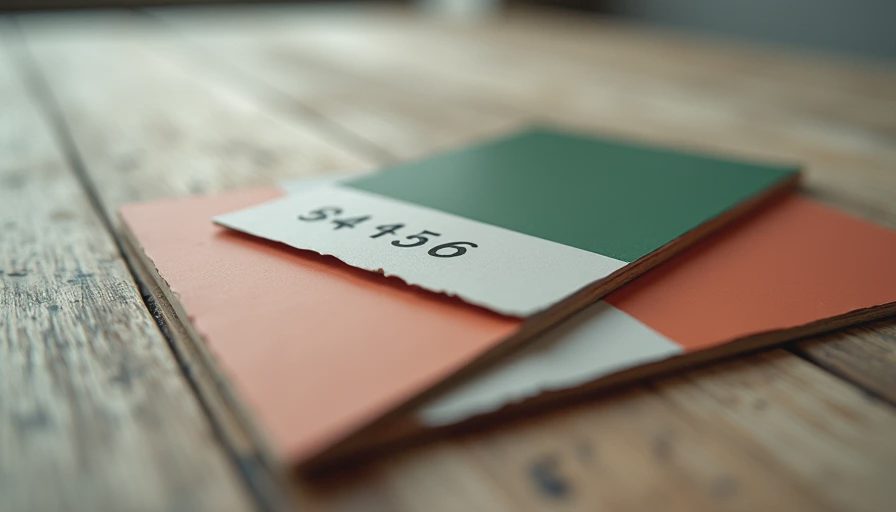
Here's the rule I give every customer. Choose two or three different LVP planks that you like. Hold each one next to your cabinets, your trim, and a photo of your room in natural light. Lay them side by side, stand back, and look for a full minute. The one that doesn't make you squint is the one. Don't worry about what's trendy. Worry about the fact that you'll see this floor every single day.
If you're still torn, go one shade lighter than you think you want. LVP installed wall to wall reads darker than a small sample because the color repeats across the whole room. I've lost count of how many people told me "I wish I'd gone lighter."
And yes, price matters. At $2 to $4 per square foot, you get a decent printed layer but often a thinner wear layer. At $4 to $6, you're into the COREtecs and Floorets of the world, with better embossing and more realistic grain. Don't cheap out on the wear layer, but don't pay for a brand name if the floor is somewhere nobody sees.
The Bottom Line
LVP color options are a lot easier to navigate if you stop thinking about style and start thinking about light. Bring samples home, look at them at 8 a.m. and 6 p.m., and remember that the install cost for a typical living room runs about $1,000 to $2,500 if you hire someone. The floor is the one surface in your home you can't ignore. Getting the color right the first time saves you money and a whole lot of regret.
TL;DR: Don't pick LVP color options from a store shelf. The store lights are lying to you. Buy a full plank, live with it for a few days, and make your choice from your actual room. Your wallet will thank you when the floor is still working a decade from now.


Travellers Write
No letters yet — be the first traveller to write.