The first thing homeowners get wrong about lvp flooring brands is assuming the name on the sample tells you whether the floor will last. It does not. A familiar retailer can sell a thin, noisy plank, while a less flashy product may have a better core, stronger locking edge, and more realistic surface. After 18 years installing floors, I pay attention to construction first, appearance second, and marketing copy somewhere around fifth.
Luxury vinyl plank can be a sensible choice for kitchens, finished basements, rentals, and busy homes. Material prices commonly run from about $2 to $6 per square foot, with professional installation often adding $2.50 to $6 per square foot depending on demolition, furniture, transitions, and subfloor repairs. That spread is large enough to make a cheap-looking bargain expensive by the time it is finished.
How I Judge LVP Flooring Brands
I start with the wear layer. For a normal home, a 12-mil product can work, but I usually steer homeowners toward 20 mil when the budget allows. A thicker wear layer does not make a plank indestructible, but it gives the printed design more protection from everyday scuffing. Homes with dogs, rolling desk chairs, muddy entries, or kids dragging dining chairs benefit from the extra margin.
Next comes the core. SPC, or stone plastic composite, is rigid and dense. It handles small temperature changes and minor imperfections better than many softer products, though it can feel harder underfoot. WPC, or wood plastic composite, usually has a little more cushioning and warmth but can telegraph subfloor problems if the floor underneath is poor. Neither core fixes a hump, dip, or wet slab.
I also inspect the locking system. The click edge should engage cleanly without needing a rubber mallet and a prayer. Cheap edges chip during installation, especially around door jambs and narrow end cuts. Good lvp flooring brands provide installation instructions with clear expansion requirements, but installers still need to follow them. A floating floor pinned under cabinets or trapped by tight trim is an installation failure, not a defective product.
The Brands I Would Put on a Shortlist
Among widely available lvp flooring brands, COREtec is often the easy product to work with. Its lines generally offer convincing visuals, solid construction, and a comfortable reputation among installers. It is not the cheapest option, and the premium is not always justified in a rarely used guest room, but it makes sense for a main level where appearance and stability matter.
Lifeproof, sold through Home Depot, is popular because it is easy to find and has a broad selection. Some lines offer a useful combination of rigid construction and a 6- or 7-inch plank look. I have installed it in practical remodels where availability mattered more than a boutique finish. Read the exact specifications, though; the Lifeproof name covers multiple collections, and they are not all identical.
NuCore, available through Floor & Decor, also gets attention for competitive pricing and thick-looking designs. It can be a reasonable middle-market choice, particularly when the room needs a lot of material. I would still open several cartons before installation. Check for damaged locking edges, shade variation, and planks that are not staying flat.
Shaw and Mannington make products worth considering when the visual quality matters. Their collections vary, so do not buy based only on the manufacturer name. Look at the particular line’s wear layer, overall thickness, attached pad, warranty language, and approved installation method. The best lvp flooring brands are not automatically the best value for every room.
Where Cheap LVP Becomes Expensive
A homeowner once asked me to replace a hallway floor that had been installed less than two years earlier. The material had cost roughly $1.75 per square foot, which looked excellent on the store shelf. The trouble was a soft subfloor, almost no preparation, and a locking edge that had started separating near the bathroom. Removing and disposing of that floor cost more than the original material savings.
That is the part of lvp flooring brands nobody puts on the display sign. You can spend $900 on planks and another $1,500 preparing, installing, and trimming a 600-square-foot area. If a $3.75-per-square-foot plank installs cleanly and avoids repeated failures, it can be cheaper than a $2 product that fights you every foot of the room.
Do not ignore moisture, either. Vinyl itself is water-resistant, but water can still reach the subfloor through seams, perimeter gaps, plumbing leaks, or a basement slab. A floating floor is not a license to cover a damp problem. Fix the source, test the slab when appropriate, and follow the manufacturer’s moisture instructions.

Installation Details That Matter More Than the Logo
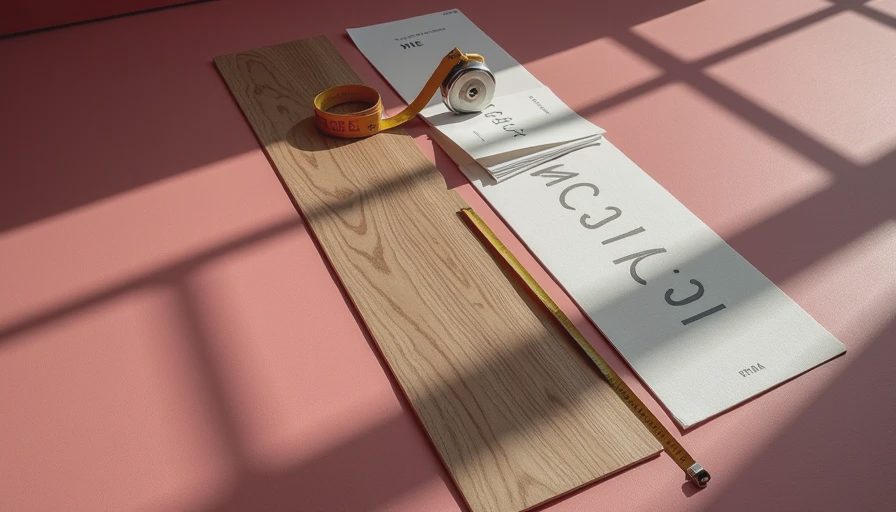
Before comparing lvp flooring brands, measure the room and inspect the floor with a long straightedge. A plank can hide small texture, but it will not magically flatten a ridge. Many manufacturers allow only limited variation over a specified distance, often around 3/16 inch over 10 feet. The exact requirement belongs to the product instructions, but the practical lesson is simple: prep is part of the floor.
Acclimation rules vary. Some rigid-core products do not require traditional acclimation, while other vinyl products do. Store cartons flat, protect them from extreme temperatures, and do not let them bake in a closed garage before installation. Mix planks from several cartons so one print repeat does not form an obvious stripe across the room.
Plan transitions before laying the first row. Doorways, stair noses, tile edges, carpet seams, and refrigerator clearances all affect the layout. Starting against the longest wall is not always the smartest move. A six-inch sliver at a highly visible doorway looks amateurish even when every other row is perfect.
A Practical Buying Process
Take a sample home and examine it beside your cabinets, wall color, and natural light. Store lighting hides blue undertones and makes gray floors look warmer than they are. Put the sample near the kitchen sink and walk across it with clean shoes. Listen for hollow tapping and look for a surface that repeats too obviously.
Then calculate the full project. Add 8% to 12% for waste, more if the room has angled walls or several closets. Include underlayment if the instructions require it, baseboard or shoe molding, transitions, delivery, demolition, and disposal. A product advertised at $3 per square foot can become a $6-per-square-foot project after those items are included.
Ask the retailer for a full technical sheet, not just the marketing card. Confirm the wear layer, core type, plank dimensions, attached pad, warranty exclusions, cleaning rules, and whether the warranty requires professional installation. Take pictures of lot numbers before opening cartons. Keep extra planks for future repairs because a discontinued collection is not unusual.
My Bottom Line on LVP Flooring Brands
For a busy main floor, I would rather install a well-reviewed 20-mil rigid product from COREtec, Shaw, Mannington, Lifeproof, or NuCore than chase the lowest price. For a spare bedroom or short-term rental, a sound 12-mil floor can be perfectly reasonable if the subfloor is flat and dry. The room, installation conditions, and budget should decide the tier—not a glossy display label.
If you are replacing flooring because the old surface looks tired, first make sure replacement is necessary. Some ugly floors need cleaning, leveling, or a better transition rather than a full tear-out. But when the existing vinyl is loose, swollen, permanently damaged, or hiding moisture trouble, stop throwing good money at it and start over correctly.
TL;DR: Compare lvp flooring brands by construction and installation requirements, not just color or price. Floors take a beating every day. Don't let them beat your budget too.

Travellers Write
No letters yet — be the first traveller to write.