The first mistake I see with mohawk lvp flooring is buying the color before you look at the guts. Pretty plank, nice sample board, good-looking ad copy — then the job lands on a wavy subfloor and everybody acts surprised when the seams telegraph or the joints click wrong. I spent 18 years on my knees, and I can tell you this much: the floor under the floor decides whether the job feels solid, not the picture on the box.
Mohawk is usually a midrange play, not a bargain-bin gamble and not a luxury-floor flex. That can be a good thing. If you want a plank that looks clean, cleans up fast, and stands up to a busy kitchen or basement better than cheap carpet, it belongs on the short list. If you’re hoping it will hide bad prep, save a rotten subfloor, or make a crooked room look square, that’s where the money starts leaking.
What Mohawk LVP Flooring is actually buying you
With mohawk lvp flooring, you’re mostly paying for a few simple things: a decent wear layer, a rigid core that feels stable underfoot, an attached pad on some lines, and a finish that looks less plastic than the low-end stuff. The middle of the market is where the real choices live. On jobs I’ve seen, material often runs around $2.50 to $5.50 a square foot for the better retail lines, with installed pricing commonly landing closer to $6 to $12 once you include labor, trim, and the little annoyances that always show up on site.
The thing homeowners miss is that two products can both say vinyl plank and behave like different animals. A thicker wear layer is worth money in a house with dogs, kids, office chairs, or a spouse who drags bar stools like they owe him rent. A flimsy board with a pretty grain pattern can look fine on day one and sound hollow by month six. I’d rather see a straightforward, well-built plank than a flashy one with a thin topcoat and a marketing department doing backflips.
That said, Mohawk is not trying to be the cheapest floor in the aisle. It’s trying to be the floor you can live with for years without apologizing for it every time somebody walks in the door.
Where it earns its keep
This is the kind of floor that makes sense in a kitchen, a finished basement, a main-level hallway, or a rental where you need something that cleans up with a mop and doesn’t freak out when a glass spills. It also works well in homes where the old flooring is ugly but the subfloor is still serviceable. If you have pet traffic, muddy shoes, or a lot of daily wear, a decent plank beats soft carpet in sheer misery reduction.
I’ve put similar floors over concrete slabs, plywood, and old underlayments that would have been a headache for hardwood. The reason homeowners like that result is simple: less noise, less upkeep, and less panic when someone drops a pan or scratches a chair leg. If the room is lived in, mohawk lvp flooring is often a smarter spend than trying to make a fragile material behave like it belongs in a family home.
The real win is speed. A crew can usually get a room back in service faster than with tile or hardwood, and that matters when the kitchen is the center of the house and nobody wants a six-week exile to the microwave in the garage.
Where I’d spend the money somewhere else
I’m not going to pretend this is the answer for every house. If you already have solid hardwood worth saving, sand it. A good refinish job often comes in cheaper than a full tear-out and replacement, and the finished result still has more character than most plank floors ever will. I’ve watched people spend extra just to cover old oak that would have looked better with a little sandpaper and a smart finish choice.
The other place I slow people down is with bad prep. If the slab is cracked, the subfloor is loose, or the room has dips that make a marble roll like it’s on a slant board, the new floor will not magically fix that. You can hide a lot with good material, but not physics. If the install crew has to flatten the floor, patch low spots, or deal with rotten edges, that can add $1 to $3 a square foot fast. That is not a punishment; that is the bill for making it right.
In those cases, mohawk lvp flooring is still a candidate, but only after the structure is honest. Buying a better plank to cover a bad base is like putting new tires on a bent rim.

The part that makes or breaks the job
Most complaints about this type of floor are really install complaints. I’ve seen brand-new planks blamed for problems caused by a lazy layout, sloppy cuts, or a subfloor that wasn’t flattened before the first row went down. Click-lock floors are unforgiving in a way that old-school people don’t always expect. If the first rows wander, the rest of the room will keep that mistake like a family grudge.
Transitions matter too. Doorways, stairs, and long runs can expose the weak spots. A room that looks perfect in the box store can turn into a headache when you have to meet tile at one end, carpet at another, and a crooked hallway in between. That is where labor earns its keep. A careful installer trims jambs, checks expansion gaps, and keeps the floor from pinning itself tight against walls or heavy cabinets.
If you’re shopping mohawk lvp flooring, ask who is handling prep, not just who is dropping off the boxes. That conversation saves more money than a coupon ever will.
How to shop the line without getting burned
Don’t buy from the display alone. Read the wear layer, look at the core type, and ask whether the board has an attached pad that fits your room. If your house is echoey, a better underlayment or a thicker attached pad can make the floor feel less tinny. If you’re putting it over a concrete basement, moisture checks matter. LVP is more forgiving than hardwood, but no floor likes standing water or a slab that sweats.
I also tell homeowners to bring home a few samples and live with them for a couple days. Look at the plank in morning light, at night, and under the worst lamp in the room. A color that looks rich in the store can turn orange at home, and a gray tone that feels modern in a warehouse can look cold next to warm cabinets.
When I compare mohawk lvp flooring with the other midrange options, I’m usually looking at the same question: which one gives you the best mix of cost, durability, and repair risk. Mohawk usually lands in the middle of the pack in a good way. It is not the cheapest label, but it is usually a safer buy than the bare-minimum special that gets the floor covering only because the carton had a sale sticker on it.
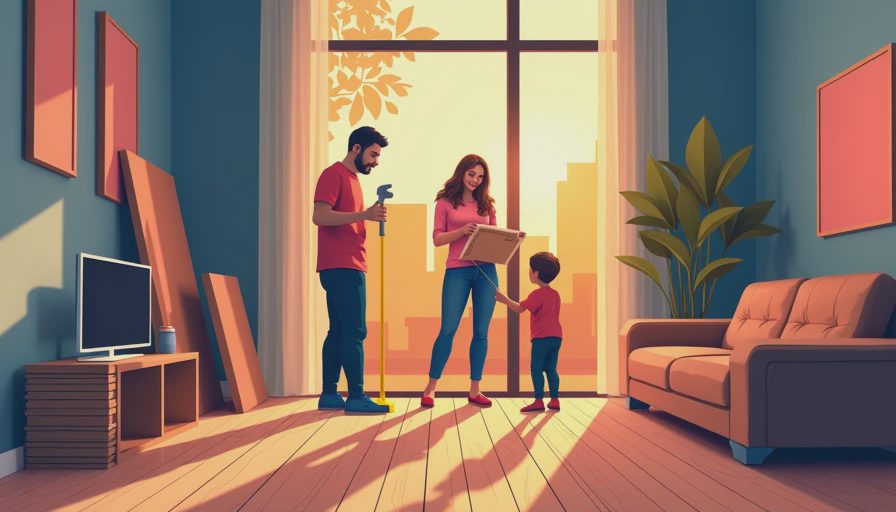
My bottom-line take after years of installs
If the subfloor is decent and the room gets real traffic, mohawk lvp flooring is a reasonable place to spend your money. You get easy cleanup, decent comfort, and a look that works in the kind of house people actually live in. If the surface underneath is a mess, fix that first. If you already have good hardwood, keep it and refinish it. If you want a fast, durable, middle-of-the-road solution without getting talked into luxury pricing, this is the lane.
The smartest homeowners I’ve worked for do not ask, ‘What’s the fanciest floor?’ They ask, ‘What gives me the best five-year result for the money I’ve got?’ That is the right question. Floors take a beating every day. Don't let them beat your budget too.
TL;DR: Sand it before you replace it. Call me crazy. Then call me after you get the estimate.

Travellers Write
No letters yet — be the first traveller to write.