The first thing homeowners get wrong about a texture stone floor is assuming the texture is only a style choice. It is not. The surface changes how the floor cleans, how slippery it feels, how furniture sits, and how much labor the installation takes. I have installed plenty of beautiful stone floors that looked like a million bucks on day one and irritated the owner by month six.
Natural stone includes slate, travertine, limestone, sandstone, and tumbled marble. Each has a different surface, density, and maintenance routine. A textured finish can hide crumbs and small scratches, which is useful in a busy kitchen, but deep grooves also collect cooking grease and mop water. Before you choose a sample because it looks rugged in a showroom, put your hand on it and imagine cleaning it every Saturday for the next ten years.
Which stone textures make sense in a real house
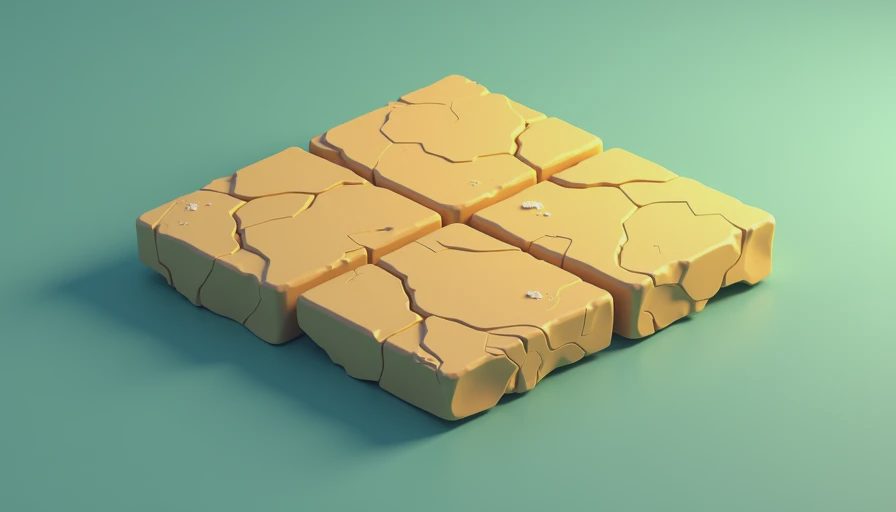
A texture stone floor with a cleft or riven surface is common with slate. The split face gives slate its natural ridges and color variation. It looks right in a mudroom, entry, fireplace area, or rustic kitchen, but the high spots can catch chair legs and make a rolling kitchen island annoying. Cheap slate can also flake at the edges, especially when installed over a damp basement slab.
Tumbled travertine has softened edges and small pits. It is easier underfoot than rough slate and works well in a bathroom or sunroom. The pits are usually filled during installation or left open for a more aged look. If they are left open, dirt will settle into them. Limestone feels calmer and more uniform, but it scratches and etches more readily than porcelain made to resemble stone.
For outdoor walkways, a texture stone floor often means flamed, bush-hammered, or thermal-finished granite. Those finishes add traction, but they are not automatically maintenance-free. Freeze-thaw weather, salt, and poor drainage can damage even expensive stone. Indoors, honed stone is usually the practical middle ground: enough grip for daily use without turning the surface into a small topographical map.
The honest installed price
Material prices are only the first line on the estimate. A basic slate or travertine tile can run about $4 to $10 per square foot, while premium limestone, marble, or large-format granite can reach $15 to $30 before installation. Setting a texture stone floor commonly adds $8 to $18 per square foot because the installer must sort pieces, manage uneven thickness, and use a stronger mortar bed or leveling system.
A 250-square-foot kitchen might therefore land between $3,000 and $7,000 installed. That range assumes a reasonably sound subfloor and ordinary access. Add $2 to $5 per square foot for removal, disposal, and floor preparation if the existing tile is bonded to concrete. Over wood framing, the structure may need cement board or an uncoupling membrane. If the joists bounce, no membrane will magically turn the floor rigid. Fractured grout will follow movement like a tax bill.
The most expensive mistake I made early in my trade was pricing stone by the square footage and ignoring the preparation. The room had an old plywood underlayment, a low doorway, and a refrigerator alcove that needed rebuilding. I lost money because the stone itself was cheap. The lesson stuck: measure transitions, check deflection, and budget at least 10 percent extra material for cuts and future repairs.
How texture changes installation
A smooth ceramic tile gives an installer some forgiveness. A heavily textured texture stone floor does not. The substrate must be flat enough for the stone, but the stone pieces themselves may vary in thickness by an eighth inch or more. That means the crew has to dry-lay sections, blend colors, adjust mortar, and watch neighboring edges constantly.
I start by checking the floor with a long straightedge, not just a small level. High spots get ground down; low areas get filled with an appropriate patching compound. On a wood subfloor, I look for loose panels, squeaks, inadequate fastening, and excessive bounce. A stone floor is rigid, so it needs a rigid platform. Flexible floors and rigid finishes are not good friends.
Layout matters, too. Random slate should not look like a pile of leftovers. Repeating dark and light pieces in an obvious pattern makes the room feel accidental. For a rectangular stone, I usually center the layout on the most visible sightline and keep narrow cuts away from the main doorway. A skilled installer can make ordinary material look expensive. A careless layout can make expensive material look like a clearance-bin mistake.

Cleaning, sealing, and daily wear
Most natural stone benefits from a penetrating sealer, but sealer is not a force field. It slows absorption; it does not make limestone immune to vinegar, wine, or muddy boots. A texture stone floor should be vacuumed with a hard-floor setting or swept regularly before damp mopping. Use a neutral stone cleaner, not an acidic bathroom product or a harsh degreaser that leaves a film.
Deep texture requires a microfiber mop that can reach the valleys, plus an occasional soft nylon brush. Steam cleaning is not my first choice for porous stone or poorly sealed grout. It can push moisture into joints and loosen weakly bonded areas. In a shower, the waterproofing behind the stone matters more than the stone sealer on the face. No amount of topical shine fixes a failed shower pan.
Expect resealing roughly every one to three years in a busy kitchen or entry, though the real schedule depends on the stone and product. Test by placing a few drops of water on a clean area. If the spot darkens quickly, absorption is telling you the floor needs attention. Wipe spills promptly, especially oil, tomato sauce, and pet accidents.
Repair versus replacement
Small chips and cracked grout do not automatically justify tearing out a texture stone floor. A tile professional can replace individual pieces if you saved spare material or can find a close match. Matching old stone is difficult because the surrounding pieces have changed color and accumulated wear. Keep a labeled box of leftovers in the basement; future you will be grateful.
If several stones are loose, the cause needs investigation. Moisture, weak mortar coverage, slab movement, or an unstable wood subfloor can produce the same hollow sound underfoot. Replacing the loose pieces without correcting the base is cosmetic work, and cosmetic work has a short warranty even when nobody says so.
Replacement makes sense when the floor has widespread movement cracks, persistent moisture, severe flaking, or a surface too rough for the household. In one older St. Louis entry, replacing 40 square feet cost more than patching it, but the existing slate was delaminating and shedding grit into the house. A new honed stone finish solved the actual problem instead of preserving a bad memory.
My recommendation before you buy
Bring home at least three full-size samples. Set them beside your cabinets, walk on them in socks, spill a little water, and scrub them with the cleaner you already use. Look at the samples in morning and evening light. Small chips and color variation that seem charming in a 12-inch sample can dominate a 500-square-foot room.
Get two installation estimates that separate demolition, substrate preparation, setting, grout, sealing, and transitions. Ask who handles leveling and what happens if the installer finds damaged framing. A low bid that excludes preparation is not a bargain; it is an unfinished estimate. For a tight budget, porcelain with a realistic stone print often delivers the look for $6 to $12 installed per square foot and needs less care.
My own house has a textured slate hearth and smoother porcelain through the kitchen. The slate earns compliments, while the porcelain handles cereal, wet boots, and the occasional dropped bottle with less drama. That is the comparison I trust after years on job sites. Choose natural stone where its character earns the maintenance, not simply because a showroom light made it sparkle.
TL;DR: A texture stone floor can be tough, handsome, and worth the money, but only when the subfloor, finish, and cleaning routine match the room. Floors take a beating every day. Don't let them beat your budget too.

Travellers Write
No letters yet — be the first traveller to write.