The thing homeowners get wrong about 12 mil vinyl flooring is assuming the number tells the whole story. It does not. Twelve mil refers to the thickness of the clear wear layer on top of the printed design, not the total thickness of the plank. That layer matters, but subfloor preparation, core construction, locking system, and the room itself matter just as much. I have installed plenty of floors where the wear layer was blamed for a failure that really started with a lumpy subfloor.
For a mid-range renovation, 12 mil is usually a reasonable middle choice. It is more substantial than bargain vinyl with a 6 or 8 mil wear layer, but it costs less than many 20 mil and 30 mil products. In a kitchen, hallway, finished basement, or ordinary living room, that balance often makes sense. In a rental, a home with large dogs, or a commercial-style entryway, I would look harder at thicker protection.
What “12 mil” actually means
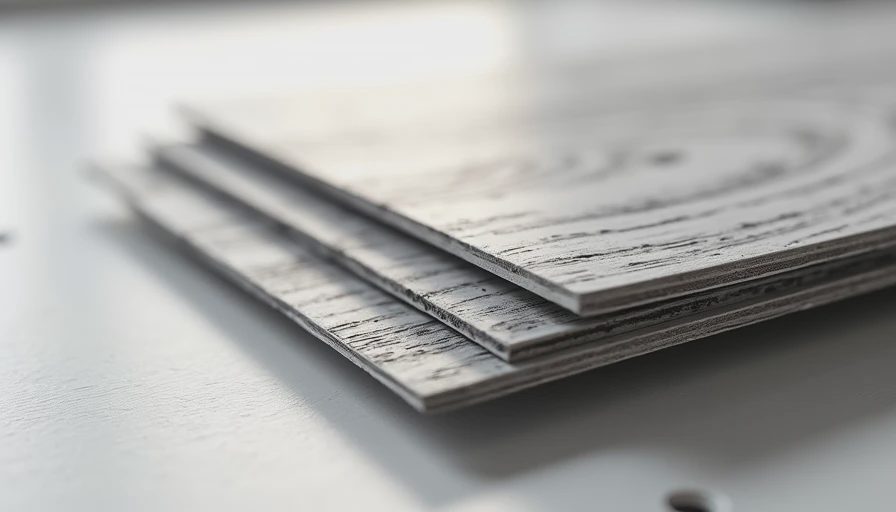
A mil is one-thousandth of an inch. It is not the same as a millimeter. A 12 mil wear layer is about 0.012 inches thick, and it sits above the photographic film that gives a plank its oak, hickory, or stone appearance. It is designed to resist everyday abrasion, small scratches, and the gradual dulling caused by foot traffic.
That does not mean a 12 mil plank is twelve times tougher than a 1 mil product. Wear resistance is also affected by the finish, manufacturing quality, texture, color, and how well the surface hides damage. A matte, textured oak pattern can disguise light scuffs better than a glossy, dark floor. A cheap plank with a nominally thick wear layer can still have a weak locking edge or poor dimensional stability.
The total plank might be 4, 5, or 6.5 millimeters thick. That overall measurement includes the wear layer, printed film, vinyl body, rigid core, and sometimes an attached pad. A thicker plank can feel better underfoot and bridge tiny imperfections more gracefully, but it will not magically correct a subfloor with humps and dips.
Where 12 mil vinyl flooring makes sense
I would use 12 mil vinyl flooring in a normal owner-occupied house when the subfloor is sound and the budget is being watched. It is a good fit for a kitchen where chairs move daily, a hallway with regular traffic, or a basement family room that sees muddy shoes and the occasional dropped toy. It also works well in bedrooms, offices, and guest spaces where traffic is lighter.
The sweet spot is a household that wants a clean, durable floor but is not asking it to survive a retail store. A couple with one dog, for example, can get many good years from a quality 12 mil product if nails are trimmed, furniture has proper pads, and tracked-in grit is swept up. Grit is basically sandpaper under your shoes. That is true whether the floor cost $2.50 per square foot or $6.
The installed price often lands around $4 to $8 per square foot, depending on demolition, floor preparation, transitions, furniture handling, and local labor. A 500-square-foot project might therefore run roughly $2,000 to $4,000 before unusual repairs. The material itself may be only $1.50 to $3.50 per square foot, but the cheapest quote is not always the cheapest finished job.
When thicker vinyl is worth the money
Move up from 12 mil vinyl flooring when the room has unusually heavy traffic or the cost of replacing it would be painful. A 20 mil wear layer is a sensible upgrade for a busy family entry, a large dog that charges through the house, or a kitchen connected to the main path from the garage. For serious abuse, 30 mil products can provide another margin of protection, though they are not scratch-proof.
I would also spend more when the home is being prepared for sale several years from now. Replacing a damaged floor before listing can involve moving appliances, pulling baseboards, repainting, and matching transitions. An extra $500 to $1,000 in better material may be cheaper than doing the work twice. That said, do not buy commercial-grade vinyl for a seldom-used guest bedroom just because the number sounds impressive.
Brands such as Lifeproof, COREtec, Shaw, Mohawk, and SmartCore offer products across different thicknesses and construction levels. The brand name alone is not a guarantee. Read the technical sheet, look at the warranty exclusions, and inspect a full-size sample under daylight. Some warranties exclude damage from rolling chairs, moisture problems, heavy furniture, or installation over unacceptable subfloors.
The subfloor matters more than the package number
A floor installer can put expensive planks over a bad base and create an expensive failure. Before installing 12 mil vinyl flooring, I want the subfloor clean, dry, firm, and reasonably flat. The exact flatness requirement comes from the manufacturer, but many rigid-core products call for no more than about 3/16 inch variation over 10 feet. That is a useful working target, not permission to ignore a soft spot.
Walk the room slowly. If the floor squeaks, flexes, or clicks under your weight, fix that before laying planks. Low areas may need patching compound; high seams may need sanding or grinding. On wood, loose panels should be screwed down. On concrete, moisture testing is worth the time, especially in a basement. A plank can be waterproof while the room beneath it still has a moisture problem.
This is where do-it-yourself savings often disappear. A homeowner might save $1,500 on labor, then spend $900 on tools, patch, underlayment, delivery, and replacement material after a bad first row. If you are comfortable measuring, cutting door jambs, and fixing a subfloor, DIY can work. If the room has multiple transitions, stairs, or questionable concrete, hire a flooring pro for the preparation at least.

How to judge a sample before buying
Bring home two or three samples and test them like the floor will actually be used. Put a chair on the plank and slide it gently. Set a damp boot on the surface for a few minutes, then wipe it dry. Look at the edge profile, click a few pieces together, and check whether the seam stays tight when the sample bends slightly. You are not conducting a laboratory test, but you can catch flimsy construction.
Look at color in morning and evening light. Gray floors can make a room feel cold, while very dark floors show dust and pet hair quickly. Medium natural oak tones are usually more forgiving. Check whether the product has a pre-attached pad and whether the manufacturer permits additional underlayment. Adding a soft layer where it is not approved can cause movement, broken joints, or a voided warranty.
Order at least 10 percent extra for cuts and future repairs. Keep a labeled unopened carton in a dry closet. Five years from now, the exact color may be discontinued, and a single damaged plank is much easier to replace when you already own the material.
My practical recommendation
For most homeowners, 12 mil vinyl flooring is not a cheap shortcut; it is a sensible floor when the product is well made and the installation is done correctly. I would choose it for a typical kitchen, living room, bedroom, or finished basement with normal residential traffic. I would not choose it automatically for a house full of large dogs, a mudroom that takes constant abuse, or a property that will be rented to many occupants.
Spend first on subfloor preparation, then on a reliable locking system and a finish you like living with. Upgrade to 20 mil when the traffic pattern justifies it, not because a salesperson points at a bigger number. Floors take a beating every day. Don't let them beat your budget too.
TL;DR: 12 mil vinyl flooring is a solid middle-ground for ordinary homes, but a flat subfloor and careful installation matter more than bragging rights on the package.



Travellers Write
No letters yet — be the first traveller to write.