The best flooring for bathroom spaces is not automatically the most expensive tile in the store. It is the floor that handles standing water, damp subfloors, cleaning chemicals, and bare feet without turning your remodel into a three-week argument. After 18 years of installing floors, I would narrow the field to porcelain tile, quality luxury vinyl plank, and sheet vinyl. Everything else needs a very good reason.
The mistake homeowners make is choosing by appearance first. A bathroom is a small room, but it is a rough environment. Water gets under toilet edges, bath mats stay wet, and a teenager can turn a shower into a car wash. Your flooring choice needs to survive the moisture and the installation underneath it. A beautiful floor installed over a soft or damp subfloor is still a bad floor.
My first choice: porcelain tile
For the best flooring for bathroom durability, porcelain tile is where I land. It is dense, water-resistant, easy to clean, and available in sizes ranging from small mosaics to large-format slabs. A matte or textured surface also gives you better traction than a polished tile, which is a slick idea in the wrong sense of the word.
Porcelain usually costs about $3 to $10 per square foot for material, with a typical installed price of $10 to $22 per square foot after mortar, grout, backer board, waterproofing, and labor. A small 60-square-foot bathroom can therefore run $1,000 to $2,000 for the floor alone. That sounds steep until you compare it with replacing a swollen wood product and repairing the subfloor beneath it.
The catch is preparation. Tile does not forgive movement. If the plywood flexes, grout cracks. If the floor is out of level, large tile shows every mistake. I have pulled up plenty of tile that looked fine for six months and then developed cracked grout because somebody skipped the uncoupling membrane and treated prep as optional. It is not optional.
When luxury vinyl makes more sense
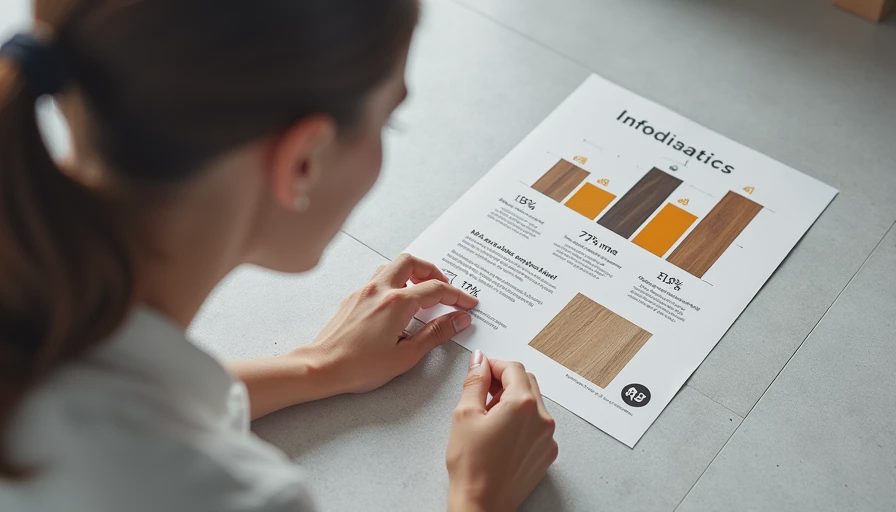
Luxury vinyl plank and luxury vinyl tile are often the best flooring for bathroom budgets, especially in a guest bath, half bath, or quick renovation. Good products are waterproof on the surface, warmer underfoot than ceramic, and much faster to install. Material typically runs $2.50 to $6 per square foot, while installed cost often lands between $5 and $12 per square foot.
I installed a midrange rigid-core LVP in my own upstairs bathroom after the old sheet vinyl failed around the toilet. The floor was comfortable, quiet, and looked convincing from standing height. The savings were real because we avoided a full mortar-bed style tile installation. We still removed the toilet, repaired a soft patch of plywood, and sealed the perimeter. Skipping those steps would have made the cheaper floor expensive later.
LVP has limits. A leak can still reach the seams or edges, and standing water should never be treated as harmless. Cheap planks can telegraph every bump in the subfloor, separate at the joints, or show wear around a frequently used vanity. I would choose a reputable product with a solid wear layer and follow the bathroom installation instructions instead of assuming every plank is interchangeable.
Sheet vinyl is plain, but it works
If your main goal is affordable water resistance, sheet vinyl deserves more respect than it gets. With fewer seams than plank or tile, it gives water fewer places to travel. Material can cost less than $2 to $5 per square foot, and installed pricing commonly falls around $3 to $8 per square foot, depending on removal and subfloor repairs.
The best flooring for bathroom value is sometimes the material that does not photograph like a luxury hotel. Sheet vinyl is practical in a children’s bathroom, rental property, or laundry-bath combination where spills are routine. Modern patterns can imitate stone or concrete without pretending to be the real thing.
Installation quality matters more than the price tag. The floor needs to be smooth, clean, and properly bonded, especially near the tub and toilet. Seams and edges need careful treatment. I have seen homeowners spend $700 on attractive vinyl and then lose it because the installer rushed the toilet cut. The material was not the problem; the detail work was.
Flooring I would usually skip
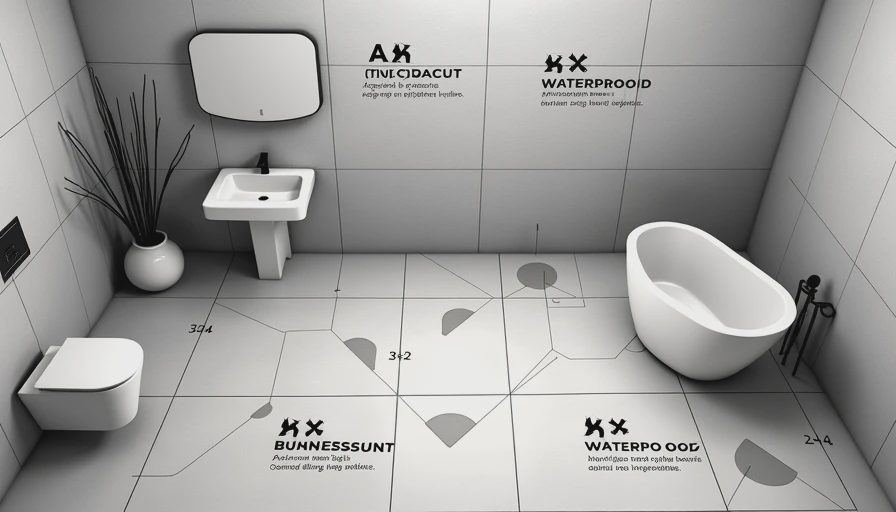
Engineered hardwood is not my pick for a full bathroom. Some products are marketed for moisture-prone areas, but a bathroom has more water events than a kitchen: toilet leaks, overflowing tubs, wet towels, and damp bath mats. One unnoticed leak can swell the core or stain the veneer. If you want wood underfoot, use a wood-look porcelain or a bathroom-rated vinyl product instead.
Cork is comfortable and warmer than tile, but it requires a careful finish and consistent maintenance. Laminate is another poor gamble because its fiberboard core does not appreciate standing water. Natural stone can work, yet it brings sealing, staining, weight, and slip considerations. Marble can be especially slippery when polished and can react to certain cleaners. In a bathroom, expensive does not mean forgiving.
The subfloor decides more than the sample
Before choosing the best flooring for bathroom installation, inspect the floor beneath the old material. Probe suspicious areas with a screwdriver, particularly beside the toilet, tub, shower, and exterior wall. A soft spot, dark staining, musty smell, or loose fastener deserves attention before new flooring covers it.
For tile, the subfloor must be stiff, flat, and suitable for the tile assembly. That may mean replacing damaged plywood, adding approved underlayment, correcting height differences, or installing a waterproofing system. For vinyl, the surface still needs to be smooth because every ridge and nail head can eventually show through.
Budget $300 to $1,000 for repairs in a straightforward small bathroom, with more possible when water has damaged framing. Do not let a flooring quote hide this work. Ask whether removal, toilet reset, baseboard removal, leveling, underlayment, and disposal are included. A $900 quote can become $1,800 when those line items appear after demolition.
How I would choose for three real bathrooms
For a main bathroom that will stay in the house for years, I would install matte porcelain tile with a properly waterproofed shower-side floor and a warm neutral color. It gives the room the strongest long-term surface and handles heavy traffic without looking tired.
For a guest bathroom where speed and comfort matter, I would choose quality rigid-core LVP. It keeps the budget reasonable, avoids cold tile on winter mornings, and is approachable for a careful DIY installer. I would still hire a professional for subfloor repairs or a complicated toilet and tub layout.
For a rental, children’s bathroom, or tight remodel budget, I would choose sheet vinyl installed by someone who knows how to form clean edges. The floor will not win a magazine cover, but it can provide years of service with less maintenance and fewer seams.
The best flooring for bathroom work is the option that matches the room, the subfloor, and your tolerance for future repairs. Measure twice, price the complete installation, and do not bury a leak under a fresh surface. Floors take a beating every day. Don't let them beat your budget too.
TL;DR: Choose porcelain for maximum durability, quality vinyl for value and comfort, and sheet vinyl when water resistance and price matter most.

Travellers Write
No letters yet — be the first traveller to write.