The first thing people get wrong about best lvp flooring is treating it like a paint color decision. It is not. The pretty oak pattern matters, but the core, wear layer, locking system, subfloor, and installation details matter more. I have pulled up enough buckled, noisy, cheap vinyl to know that a bargain plank can become an expensive do-over before the second winter.
LVP, or luxury vinyl plank, is a layered synthetic floor designed to handle moisture, pets, dropped pans, and ordinary family abuse. The good stuff looks convincing from standing height and cleans up easily. The bad stuff advertises every dip in the subfloor and sounds like a grocery cart rolling over a bridge. Here is how I separate the two without getting distracted by a glossy sample board.
Start with the wear layer and core
For most homes, I would start my search for best lvp flooring with a 20-mil wear layer. That is not the only measurement that matters, but it is a sensible target for kitchens, hallways, and homes with dogs. A 12-mil product can work in a lightly used bedroom, especially when the budget is tight. I would be cautious about using it throughout a busy first floor.
The wear layer is the clear protective surface above the printed image. It helps resist scuffs and everyday abrasion, while the attached finish affects how easily dirt shows. A thicker wear layer does not make a plank indestructible. Dragging a cast-iron skillet or gritty furniture across any floor is still a bad plan. Felt pads and reasonable cleaning habits will do more for longevity than marketing language.
Then look at the core. WPC, or wood plastic composite, has a softer, slightly warmer feel underfoot and can hide minor imperfections better. SPC, or stone plastic composite, is denser and more rigid. SPC often handles temperature changes and heavy furniture well, but it can telegraph an uneven subfloor because it has less tolerance for bumps. I have installed both successfully. The correct choice depends more on preparation than on the initials printed on the carton.
A reputable product from Lifeproof, COREtec, Shaw, Mohawk, or Cali can be a reasonable starting point, but brand alone is not a quality guarantee. Read the installation instructions, warranty exclusions, plank dimensions, and required expansion gaps. A recognizable name cannot rescue a floor installed over damp concrete or a plywood subfloor shaped like a washboard.
What good LVP costs installed
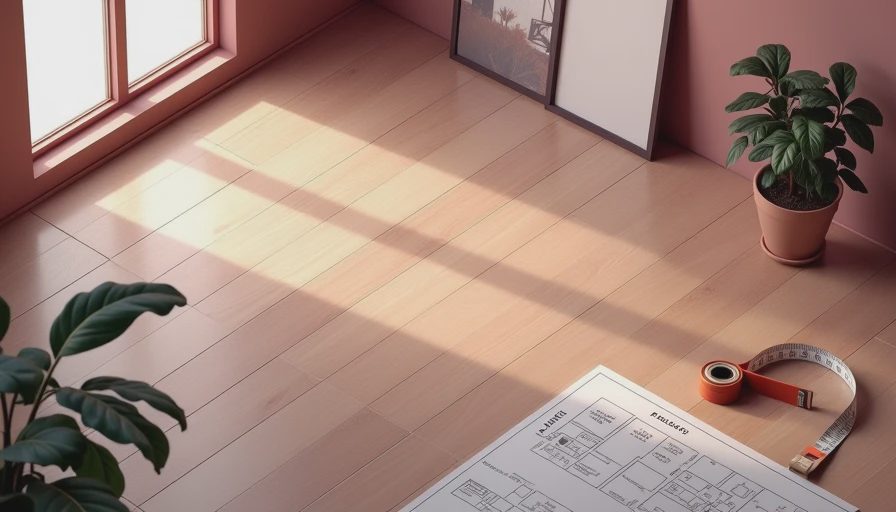
Material pricing commonly lands around $2.50 to $6 per square foot for a solid mid-range product. Premium lines can run higher, particularly when they offer longer planks, stronger locking edges, thicker attached pads, or more convincing textures. Installation often adds $2 to $5 per square foot when the room is open, accessible, and reasonably flat.
That means a 600-square-foot kitchen and living area might cost roughly $2,700 to $6,600 before major floor removal, furniture moving, stair work, or subfloor repair. I once priced a similar project where the homeowner thought the floor would cost $1,800 because that was the material total. The final bill was more than $4,000 after tear-out, leveling compound, disposal, transitions, and six hours of moving appliances. The plank was not the expensive surprise. Everything around it was.
The best lvp flooring for a renovation is the product that fits the entire job budget, not the carton with the lowest shelf price. Add 10 percent for cuts and mistakes, more for a complicated layout. Keep extra unopened cartons for future repairs. Manufacturers change colors and embossing, and finding one replacement plank five years later is usually harder than it should be.
Subfloor preparation decides the result
Most LVP failures I have seen were preparation failures wearing a product’s name tag. Floating floors need a clean, dry, structurally sound surface. Concrete may need moisture testing, and a wood subfloor may need screws, patching, sanding, or replacement in damaged sections. A thin plank over loose plywood will click and flex. A rigid plank over a hump will rock. Neither problem disappears after the baseboards go back on.
Manufacturers commonly specify a flatness tolerance such as 3/16 inch over 10 feet, but follow the instructions for the product you buy. Do not assume an attached pad allows you to skip leveling. It helps with sound and minor comfort; it does not turn a poor subfloor into a good one.
Before installation, remove high spots, fill low areas with the appropriate patch or underlayment compound, and address moisture at its source. On a basement slab, that might mean solving seepage or condensation rather than simply laying down plastic and hoping. The best lvp flooring cannot defeat water pressure from below.
Click-lock versus glue-down
Click-lock floating planks are popular because they install quickly and can be replaced more easily. They make sense in many kitchens, bedrooms, and finished basements. The tradeoff is movement. The floor needs perimeter expansion space, and heavy built-ins can interfere with how the floating assembly moves.
Glue-down LVP takes more skill but can feel quieter and more solid. It is useful in commercial-style spaces, rooms with unusual shapes, and areas where transitions are difficult. The slab or wood surface must be exceptionally clean and flat, and adhesive mistakes are not fun to repair. I lost money on one glue-down job early in my business because I rushed the acclimation and floor preparation. The material was fine; my schedule was not.
If you are choosing best lvp flooring for a do-it-yourself project, click-lock is usually the friendlier route, but only when you can handle layout, door jamb cuts, transitions, and subfloor repair. The first three rows determine whether the rest of the room looks professional.
Where LVP is the wrong answer
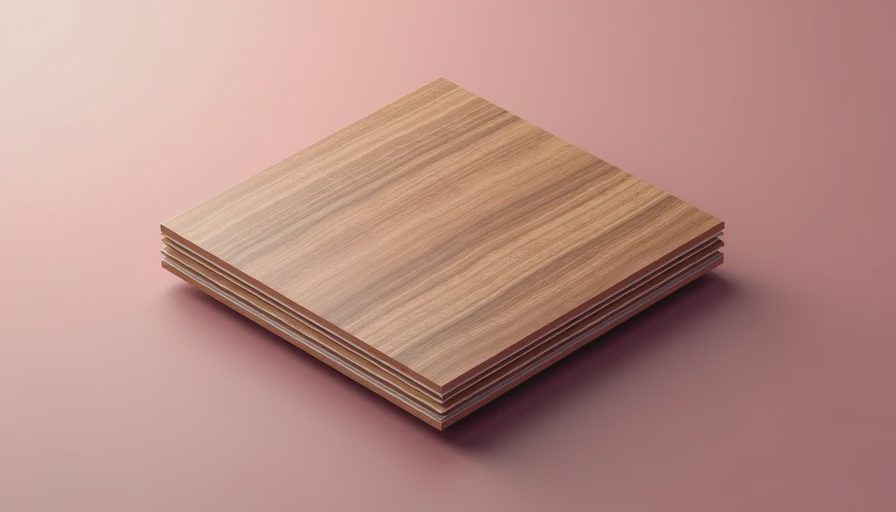
LVP is not automatically the best choice for every room. If you have beautiful original oak under old carpet, stop before tearing it out. A sand-and-finish job might cost $4 to $8 per square foot, while a full LVP replacement can cost more after demolition and trim work. Real wood that can be restored is worth investigating.
I also hesitate when a homeowner wants LVP over a seriously damp basement slab, a floor with active movement, or a room exposed to intense direct sunlight without checking the product’s limits. A ceramic or porcelain tile installation may be better near a woodstove or in a room where maximum scratch resistance matters. Carpet can still be more comfortable and affordable in a quiet bedroom. Flooring is not a popularity contest.
My buying checklist
Take a sample home and inspect it in morning and evening light. Put it beside your cabinets, then walk on it wearing the shoes you actually use. Check whether the texture feels exaggerated, whether repeated patterns jump out, and whether the locking edge looks delicate.
Measure the room, add waste, and ask for the full installed quote. That quote should identify tear-out, disposal, floor leveling, transitions, baseboard or quarter-round work, appliance moving, and stair charges. Get moisture requirements in writing for basement or slab installations. Ask who handles damaged cartons and whether the crew is insured.
For a typical active household, I would choose a 20-mil product with a dependable locking system, a rigid but not brittle core, and a color that does not exaggerate dust. I would spend more on preparation before spending more on a dramatic embossed surface. That order has saved my clients more headaches than any brand comparison.
The best lvp flooring is not the thickest box or the most expensive sample. It is a properly prepared floor with a suitable core, a credible wear layer, realistic expectations, and an installation that respects the manufacturer’s rules. Floors take a beating every day. Do not let them beat your budget too.
TL;DR: Buy the wear layer and the installer, not just the pretty plank. Then call a pro before a bad subfloor turns best lvp flooring into your next tear-out.

Travellers Write
No letters yet — be the first traveller to write.