Farmhouse wide plank wood flooring looks easy until you try to make it sit flat in a real house with a wavy subfloor, a dishwasher leak history, and a budget. That is where the pretty Pinterest picture stops and the job-site math starts. I have seen plenty of homeowners fall in love with the look, then get handed a quote that makes them rethink the whole room. The good news is the style is not a trap if you know what you are buying and what you are asking the floor to do.
The look that works best is usually plain and honest: wide boards, a matte finish, some natural variation, and not too much fake distressing. When people try to force the style with heavy scraping or a brown stain that fights the trim, the room starts looking like a set instead of a house. The trick is getting the scale right so the floor feels substantial without turning every board seam into a billboard.
What farmhouse wide plank wood flooring looks like when it is done right
In a normal-size home, the sweet spot is usually 5 to 7 inches wide. Anything narrower loses the relaxed farmhouse feel, and anything much wider can get twitchy if the product is cheap or the subfloor is ugly. White oak is the safest bet because it takes stain cleanly, handles wear well, and does not fight you with too much grain movement. If you want a softer, older-house look, rift and quartered white oak gives you a calmer face and fewer visual surprises.
I tell homeowners to be careful with the word rustic. Rustic can mean charming, or it can mean the manufacturer was trying to hide a weak finish with knots and wire brushing. A good floor should still look like lumber, not barn siding dragged through a marketing meeting. In a kitchen or great room, I like a low-sheen finish because it hides dust, pet hair, and the usual scuffs from chairs and shoes better than gloss. That matters more than people think, because shiny floors show every bad habit in the house.
The other detail that changes the whole feel is board length. Random lengths look more believable than short, repeated pieces. Short boards can make a wide-plank floor feel busy and cheap, especially in an open-plan house where your eye has nowhere to rest. If you want the farmhouse look to feel calm, the floor should read as one surface, not a patchwork quilt.

The part nobody sees: subfloor and moisture
This is where most of the money goes, and where most bad advice starts. On a clean new build with level plywood, wide plank wood is straightforward. In an older house, you are usually dealing with out-of-flat joists, squeaks, old adhesive, nail holes, patched pipe cuts, or a basement that breathes more in July than it does in January. Wide boards do not hide that stuff. They spotlight it.
If I am walking a house before an install, I care more about flatness than almost anything else. A floor can be structurally fine and still be a lousy candidate if it waves too much across the room. With engineered products, a little more forgiveness is built in, but you still need the floor prepped right. That is why the quote for the same room can jump from around $8 to $12 per square foot installed to $15 or more once you add leveling, new underlayment, trim work, and transitions. The lumber is only part of the bill; the prep is what keeps the floor from sounding hollow or looking crooked.
Moisture is the other quiet killer. I have seen basements and slab homes where the owner wanted a wood floor because the mood board said so, not because the room was ready. On concrete, you need the right engineered product, the right adhesive or underlayment system, and a moisture check before anybody starts swinging a trowel. Skip that and you buy a future repair job. That is not me being dramatic. That is just how wood behaves when the house gets seasonal.
Material choices that do not waste money
If the goal is farmhouse wide plank wood flooring, engineered white oak is often the smartest buy for most remodels. It gives you the wide look, handles seasonal movement better than solid wood in a lot of rooms, and usually lands in a more manageable price range than premium solid planks. In my experience, a decent installed engineered floor can run roughly $9 to $16 per square foot, while a nicer custom line with better finish quality or thicker wear layer can climb into the low $20s. That is before you start adding stair parts, thresholds, or serious prep.
Solid hardwood still has a place, especially on a main floor with a dry, stable subfloor and enough room to sand it down the road. But for a lot of farmhouse remodels, solid wide planks can be more trouble than they are worth if the house moves a little or if the room sits over a crawlspace. The real money question is not which product looks best in the showroom. It is which one keeps looking good after the first winter, the first spilled plant, and the first time the dog forgets where the water bowl lives.
Brand-wise, I have seen good results from lines in the midrange from Shaw, Anderson Tuftex, and Bruce, and I would put Carlisle in the premium lane when someone wants a more custom look. That does not mean every line from those names is a winner; it means the companies are real and the product tiers are clear. Ask for the wear layer on engineered flooring, the board width, the finish type, and whether the product is site-finished or factory-finished. Those details tell you more than the sales tag ever will.
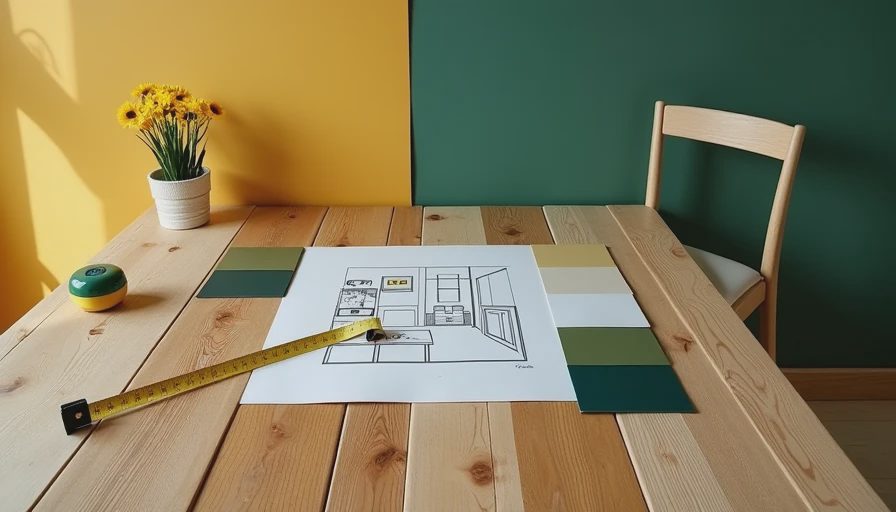
When farmhouse wide plank wood flooring should be refinished instead
If you already have old oak under carpet or a tired finish in the main rooms, do not tear it out just because the house is going farmhouse. I have pulled up too many coverings where the original floor underneath was worth saving. A solid red oak floor that needs sanding and a new stain often lands around $4 to $8 per square foot for basic refinish work, and repairs can add more if there are pet stains, broken tongues, or bad patching from old remodels. That is still a lot cheaper than full replacement, and the final result often looks better because the floor already belongs to the house.
This is where people talk themselves into expensive mistakes. They see a dark, scratched floor and assume it is done for. Most of the time, the problem is finish wear, not the wood itself. If the boards are thick enough, the subfloor is sound, and the damage is not all the way through, sanding can turn a tired room into the best room in the house. I lost money once on a job because I quoted a replacement too quickly, then found out the original floor was a better candidate for refinishing than I had guessed. That one taught me to stop admiring the picture and start reading the floor.
If you want farmhouse wide plank wood flooring to age well, the finish needs to be tough enough for real life, not just pretty in daylight. A good matte urethane, a lighter stain that does not show every scratch, and proper floor prep will beat a flashy floor every time. The rooms that hold up are the ones built to take a beating, not the ones built to win a photo contest.
TL;DR: Sand it before you replace it. Call me crazy. Then call me after you get the estimate.


Travellers Write
No letters yet — be the first traveller to write.