The first thing homeowners get wrong about maple engineered hardwood flooring is assuming it behaves exactly like solid maple. It does not, and that is mostly a good thing. Engineered flooring uses a real maple wear layer over cross-laid wood plies, which helps the boards handle seasonal movement better than wide solid planks. You still need a dry, reasonably flat subfloor, but you are not asking one solid piece of maple to fight humidity by itself.
I have installed plenty of maple floors over the years, including in kitchens, hallways, and upstairs bedrooms where solid wood would have been a fussier choice. The material can look clean and bright without making a house feel like a showroom. The question is whether the grade, finish, thickness, and installation price make sense for your particular room.
What makes maple engineered hardwood flooring different
Maple is naturally hard, with a fairly tight grain and a pale base color that ranges from creamy white to light honey. Its grain is less dramatic than oak, so the finished floor tends to look calmer and more uniform. That appeals to homeowners who want a modern floor without the gray, printed look common in inexpensive laminate or vinyl products.
The engineered construction is the practical part. A 3/8-inch or 1/2-inch board may have a maple top layer bonded to several plywood or hardwood layers. Those layers run in different directions, reducing the amount of expansion and contraction caused by indoor humidity. That does not make the floor waterproof. A dishwasher leak can still ruin it. It simply gives the floor a better chance of staying stable through a Midwestern winter and a humid summer.
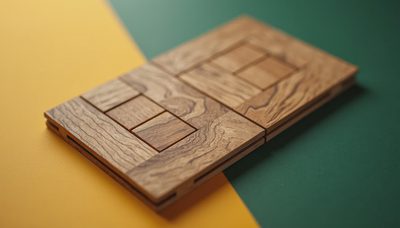
The top layer matters more than the product photo. A thin veneer may be suitable for a floating installation but offers little future refinishing potential. A thicker wear layer, usually found on better 1/2-inch or 5/8-inch products, can sometimes accept a light professional sanding later. Do not assume every engineered board can be refinished twice. Ask for the actual wear-layer thickness before paying premium money.

What maple engineered hardwood flooring costs
Material prices commonly land around $5 to $12 per square foot, with basic builder-grade products near the lower end and wider, thicker, better-finished boards near the top. Installation often adds $3 to $8 per square foot. That puts a 500-square-foot room roughly between $4,000 and $10,000 before major subfloor repairs, trim work, furniture moving, or stair nosings.
Those numbers are not meant to scare you; they are meant to keep the estimate honest. A contractor who quotes $3,500 for the whole job may be pricing only the boards and labor. Once you add quarter-round, transitions, delivery, demolition, and a plywood patch or two, the number walks uphill quickly.
Floating installation is usually the least expensive route because the boards lock or glue together over an approved underlayment. Glue-down installation can feel quieter and more solid, but adhesive, cleanup, and subfloor preparation raise labor costs. Nail-down installation gives a traditional feel, although the subfloor must accept fasteners and the board must be thick enough for that method.
For comparison, quality LVP may cost less upfront, while solid maple may cost more to install and can be less forgiving over concrete. Maple engineered hardwood flooring often lands in the useful middle: genuine wood underfoot, better dimensional stability, and a cost that does not automatically require a luxury-home budget.
Where the material earns its keep
Maple engineered hardwood flooring works especially well in living rooms, dining rooms, bedrooms, offices, and connected hallways. In an open first floor, the light color can make separate spaces feel related without needing the same furniture or wall color everywhere. A matte or low-sheen finish is usually the safest choice because it hides small scratches and does not broadcast every footprint.
Kitchens are possible, but the installation needs discipline. Keep a dishwasher pan or leak alarm in vulnerable areas, seal exposed edges near cabinets, and wipe standing water instead of letting it sit. I would not use this material in a full bathroom, laundry room with frequent spills, or below-grade space with questionable moisture control. Engineered wood is more stable than solid wood, not immune to water.
Maple also shows dents and dark marks differently from oak. Its light surface can disguise dust but make black rubber marks, pet nails, and dragged-chair scratches stand out. Felt pads under furniture are cheap insurance. A runner at the back door will do more for the finish than a bottle of expensive cleaner.
Installation problems that cost real money
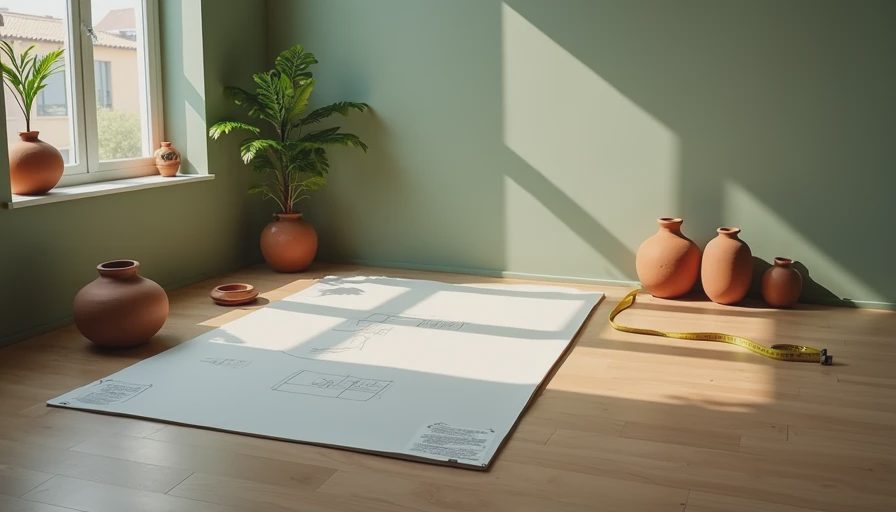
The subfloor is where many attractive flooring estimates go bad. Before ordering maple engineered hardwood flooring, check for squeaks, loose panels, high seams, and moisture. A wood subfloor may need screws and patching. Concrete may need moisture testing, grinding, leveling compound, or a different installation system altogether.
Most manufacturers require the flooring and room conditions to stabilize before installation. That generally means bringing sealed cartons indoors and maintaining normal living temperatures and humidity. Follow the product instructions rather than stacking boxes in an unconditioned garage and hoping for the best. I have watched a beautiful floor develop gaps because the boards were installed cold and damp, then heated aggressively after the crew left.
Layout matters, too. Start with the longest sightline, balance the first and last rows, and stagger end joints according to the product instructions. Do not force a narrow sliver along a prominent wall just because it saves fifteen minutes. Transitions at tile, carpet, and stair edges should be planned before the first board goes down.
If the room is reasonably square and the floor uses a forgiving click system, a careful homeowner can manage the work. Glue-down, stair work, moisture problems, and extensive leveling are where hiring a flooring professional usually saves money rather than spending it.
Durability, cleaning, and future repairs
A factory finish is usually tougher and more consistent than a site-finished floor. Sweep or vacuum with a hard-floor setting, clean spills promptly, and use the cleaner approved for the finish. Steam mops are a bad gamble because heat and moisture can work into seams and damage the finish or adhesive.
Maple engineered hardwood flooring can last 15 to 30 years in a normal home when the wear layer and finish are decent. Heavy dogs, grit at exterior doors, and rolling desk chairs can shorten that timeline. The good news is that individual boards can sometimes be replaced, especially when the installation is floating. The bad news is that matching a faded floor several years later is not always easy. Save a carton in a dry closet, and record the manufacturer, color name, and lot number.
Small scratches do not automatically mean replacement. A professional may be able to screen and recoat a compatible finish, while deeper damage may require board replacement. Do not sand through the maple layer chasing one ugly dent. That is how a repair becomes a larger, more expensive problem.
How to buy without regretting it
Order samples and look at them in morning, afternoon, and evening light. Maple can appear nearly white in a bright store and noticeably warmer beside your cabinets. Put the sample next to your trim, countertops, and the largest piece of furniture in the room. The goal is not to match every item; it is to avoid a color fight that becomes obvious after installation.
Confirm the board thickness, wear-layer construction, finish type, edge profile, plank width, warranty limitations, and approved installation methods. Buy at least 8 to 10 percent extra for cuts and future repairs. If your layout has angled walls, multiple closets, or stairs, buy a little more rather than assuming the basic waste allowance will cover it.
My own house has maple in a hallway that sees muddy shoes, kids, and the occasional dropped tool. It has held up well because the finish is matte, the entry has a mat, and nobody treats the floor like a workbench. That is the honest test: good material installed over a prepared surface, followed by ordinary maintenance.
Maple engineered hardwood flooring is worth the money when you want real wood, a lighter visual style, and better stability than many solid-wood installations offer. Skip the thinnest bargain product in a busy area, spend money on subfloor preparation, and choose the installer based on preparation details rather than the lowest square-foot price.
TL;DR: Buy the thicker wear layer, fix the subfloor first, and choose the right installation method. Floors take a beating every day. Don't let them beat your budget too.


Travellers Write
No letters yet — be the first traveller to write.