Floors take a beating every day. Don’t let them beat your budget too. After eighteen years installing hardwood, tile, LVP, and everything in between, I’ve watched more walls get ruined by swinging doors than by any subfloor problem. A door knob wall protector is one of those small, overlooked pieces of hardware that keeps the rest of the house looking finished once the new floor is down.
Most homeowners call me about the floor. They rarely mention the quarter-sized holes already punched into the drywall behind every door. Those holes start small, then grow every time a kid or a draft sends the door flying. By the time the flooring crew shows up, the walls look like they took a beating too. A simple clear self-adhesive door knob wall protector solves the problem before it becomes another line item on the estimate.
The Real Problem Nobody Budgets For
I’ve walked into plenty of houses where the floors were solid but the walls told a different story. Door knobs had punched clean through the drywall in bedrooms, bathrooms, and hallways. In one pre-war St. Louis bungalow the previous owners had already patched three times. The patches never matched, and every new hole sat right at knob height.
The worst I ever saw was a century-old Victorian where every door had punched through the plaster at least twice. The owner had patched and repainted so many times the wall had a visible lump at knob height. A six-dollar pack of protectors would have saved them years of repair work.
Kids make it worse. A toddler who treats every door like a dramatic entrance will turn a fresh paint job into Swiss cheese in a month. Traditional baseboard-mounted stops help, but they require drilling into the trim. Floor-mounted stops stick up and become trip hazards or, worse, choking hazards for little ones. Hinge-pin stops only work if the door geometry is perfect.
The self-adhesive clear gel style sits right on the wall where the knob hits. No tools. No holes in the baseboard. No visible hardware if you choose the transparent ones. On a recent whole-house LVP job I recommended them after we finished the floors simply because the walls still looked soft. The homeowner installed a six-pack the same afternoon and called me two weeks later to say the doors finally stopped making that hollow thud against the plaster.
If you’re already deep into a flooring project, protecting the surrounding surfaces is part of the same conversation. Cheap underlayment can cost you thousands later; the same logic applies to ignoring the walls that frame those floors. See my notes on the real cost of going cheap on underlayment for the parallel thinking.
How a Clear Door Knob Wall Protector Actually Works
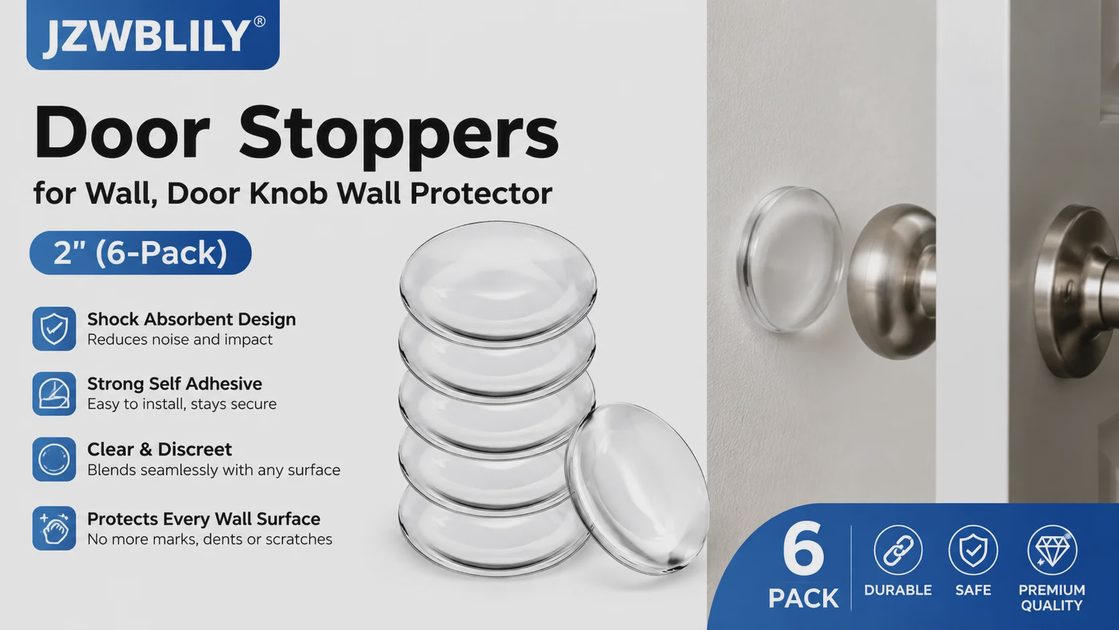
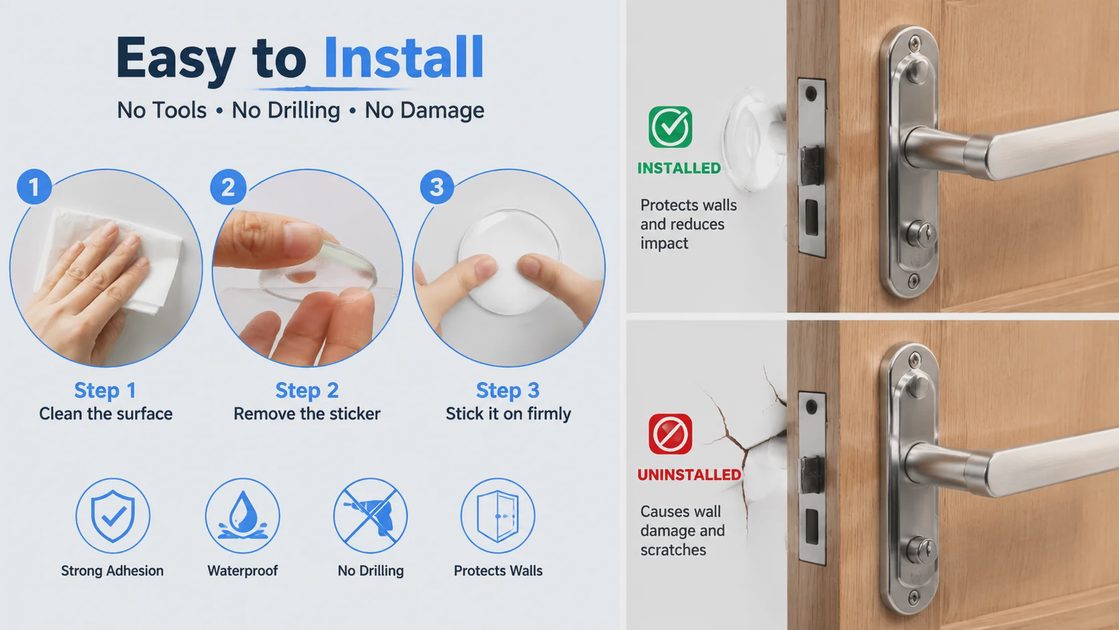
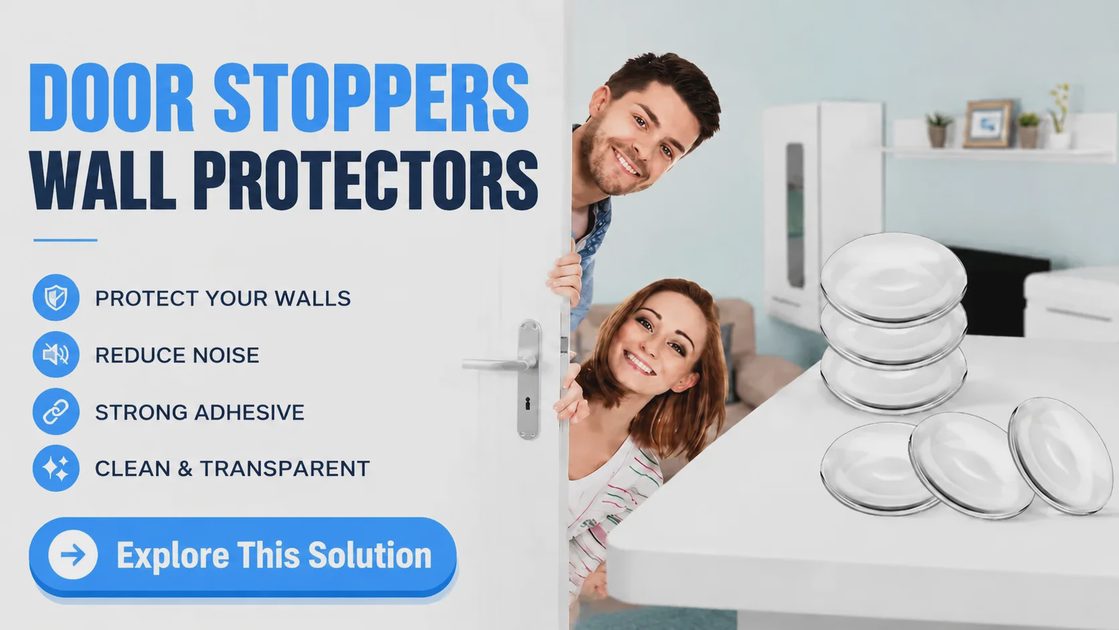
These are soft, transparent gel or rubber discs, usually about two inches across and a third of an inch thick. One side has a strong adhesive that grips clean, smooth surfaces. The other side absorbs the impact of the knob or lever so the force never reaches the drywall.
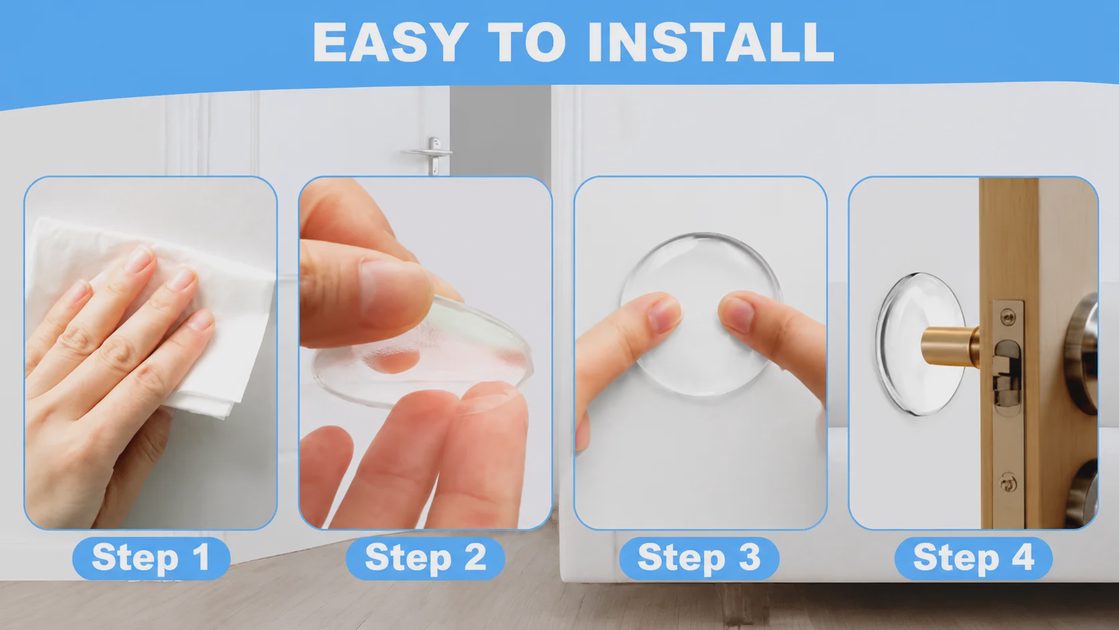
The JZWBLILY pack comes with six pieces, enough for the main doors in a typical three-bedroom house. Installation is straightforward. Wipe the wall with a damp cloth, let it dry, peel the backing, and press firmly for ten or fifteen seconds. That’s it. No anchors, no screws, no paint touch-ups afterward.
The clear material is the quiet advantage. Once it’s on the wall you almost forget it’s there. It doesn’t fight the paint color or collect dust the way a painted metal stop can. Reviewers who live with toddlers keep mentioning the same thing: the doors bounce instead of cratering the wall, and the protectors stay put as long as the surface was clean to start with.
I’ve used the same style on job sites when a finished room still had active traffic. A couple of these on the walls kept the new trim and freshly painted surfaces intact while the rest of the crew worked. They also quiet the slam. That soft gel takes the edge off the noise that travels through an empty house during an install.
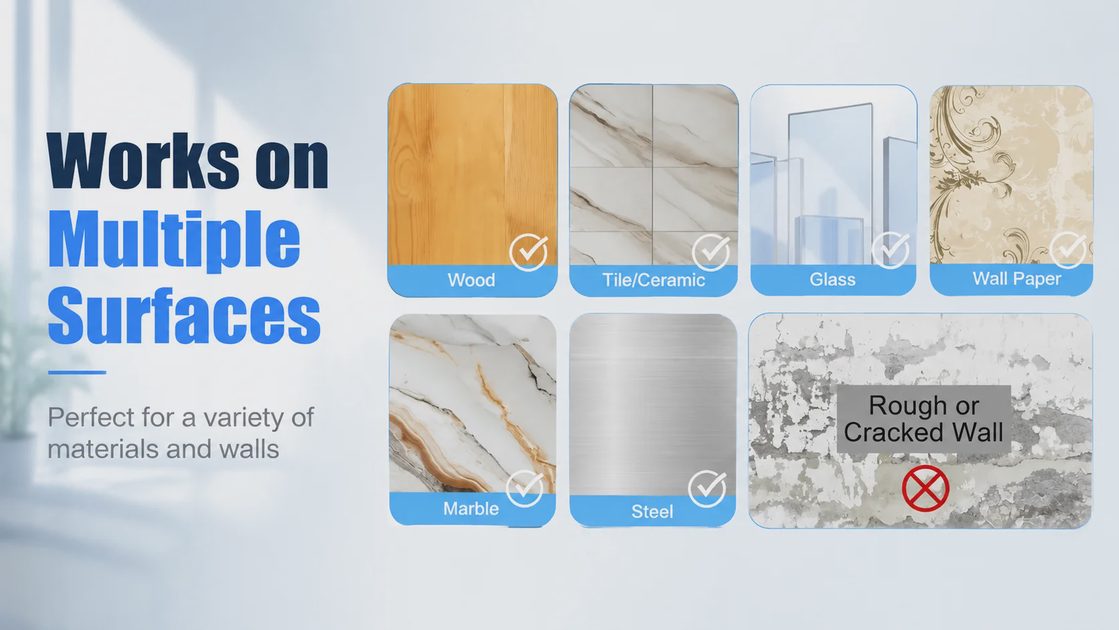
One practical detail: they work best on flat, smooth walls. Heavy texture or freshly painted surfaces that haven’t fully cured can reduce adhesion. Clean the spot, press hard, and give it a day before testing with a full-force door swing. If a bubble appears months later, a quick press usually reseats it. That’s the kind of low-maintenance fix I like recommending after the heavy work is done.
For more on keeping finished surfaces clean and intact once the floor is down, the approach in proper steam mop pad care for sealed floors follows the same “protect what you just paid for” mindset.
Real Houses, Real Doors, Real Results
Scenario one is the nursery or kids’ rooms. Parents who have already repaired drywall twice are usually ready for something that doesn’t involve more spackle. The clear discs go on in seconds, stay out of the way of little hands, and eliminate the choking risk of traditional floor stops. One mother told me she finally stopped flinching every time her two-year-old charged through a doorway.
Scenario two is the finished basement or new LVP install. After the flooring is down and the baseboards are back, the last thing you want is a door knob punching a hole that forces you to cut into the new trim for a repair. A pair of protectors on the main traffic doors keeps the walls and the new floor looking intentional instead of patched.
Scenario three is the older home with original solid doors. Those doors are heavy. When they swing open under their own weight they hit hard. I’ve seen the same hole appear in the same spot for decades because nobody ever stopped the impact. A two-inch gel disc changes the physics without changing the look of the room.
In each case the common thread is the same: the floor may be perfect, but the walls still take daily punishment. Protecting both is part of treating the whole room as one system. That thinking shows up again when I talk about layout choices that avoid looking like a waiting room; see vinyl plank layout patterns that keep the space feeling intentional.
Why These Beat the Usual Alternatives
Baseboard-mounted stops work, but they require drilling into the trim. In a house with original baseboards or freshly painted ones, that hole is permanent. Floor-mounted stops create a trip point and look dated in modern spaces. Hinge-pin stops only limit the swing if the hinge geometry cooperates, and many interior doors simply don’t have the right clearance.
The self-adhesive clear style skips all of that. No tools, no permanent marks, no visual clutter. At around $6 for a six-pack, the JZWBLILY set costs less than a single can of spackle and a day’s labor to patch and repaint. When the alternative is another service call to repair the same wall for the third time, the math is obvious.
I’ve watched homeowners try the dollar-store versions. Those often use thinner adhesive and yellow over time. Compared to the alternatives, the JZWBLILY clear gel version stays clear, stays sticky, and actually absorbs the hit instead of just deflecting it. One long-term user noted that after a year the discs still needed only an occasional press to reseat any tiny air bubble. That’s the difference between a temporary fix and something that lasts through the next few seasons of door traffic.
The same “don’t cheap out on the hidden layer” principle appears when I compare underlayment options. A few dollars saved up front usually costs more later. The wall protector follows the identical logic: spend a little once, stop the recurring damage.
What People Who Actually Live With Them Report
With an Amazon’s Choice badge and over 470 ratings averaging 4.6 stars, the JZWBLILY protectors are clearly working well for a lot of other homeowners. The consistent feedback is practical rather than glowing. Users clean the wall, stick the disc on, and notice the doors stop making holes. Parents of toddlers mention the bounce-back effect and the absence of choking hazards. People who previously drilled into baseboards say they prefer the no-tools route. A few note that very textured walls need extra cleaning or a second press after a week.
One reviewer kept them for over a year and only needed to reseat a couple of discs occasionally. Another used them behind cabinet doors and fridge doors with the same quiet success. The clear material gets repeated praise because it disappears once installed. Those are the comments that match what I see on real jobs: the product does one job and does it without drama.
When the flooring is finished and the final walk-through happens, these small discs are the kind of detail that keeps the whole project looking sharp longer. They sit in the same category as choosing the right transition strip or the right underlayment thickness—small decisions that protect the larger investment. For more on those larger decisions, the comparison in LVP versus real wood over a ten-year horizon shows how the supporting pieces matter as much as the surface itself.
Practical Limits and Honest Caveats
These are not structural fixes. If the door is slamming hard enough to crack plaster or the wall is already crumbling, the gel disc is only a temporary cushion. Fix the underlying problem first. On heavily textured orange-peel or knockdown walls the adhesive has less surface area to grip, so results vary. Fresh paint needs a full cure before anything sticks reliably.
They also work best when the knob actually hits the center of the disc. Measure once, place carefully, and test with a gentle swing before trusting a full slam. In high-traffic commercial or rental settings a more permanent metal stop may still be the better long-term call. For typical residential doors, though, the clear self-adhesive version covers most of the damage I see.
I’ve left packs on job sites more than once. The crew uses them while the floor is curing or the trim is still soft. Homeowners keep them afterward because the alternative is another patch job. That pattern tells me the product earns its keep.
FAQ
How long does the adhesive usually last on a clean wall?
Most users report solid hold for many months to over a year. Occasional light pressing reseats any small bubbles that form. Extreme heat or humidity can shorten that window, so check them after the first season.
Can I move one to a different door later?
Yes. Peel slowly, clean both the disc and the new wall surface, and reapply. The adhesive remains usable for at least one or two moves if the original surface was smooth.
Will they damage freshly painted walls when removed?
On fully cured paint they usually come off clean. On paint less than two weeks old there is a risk of lifting. Wait for a full cure and test a small corner first.
Do they work on doors with levers instead of knobs?
They do, as long as the lever’s contact point lands on the disc. Place the protector where the lever actually hits rather than at traditional knob height.
How do I know if the 2-inch size will fit my door knob?
Measure your door knob’s diameter. Most standard residential knobs are around 2 to 2.5 inches across. The 2-inch protector works for most, but if your knob is larger, measure the actual contact point—the area that hits the wall—and choose a protector slightly wider than that.
Are the clear versions truly invisible once installed?
From normal viewing distance, yes. Up close you can see a slight outline, but most people stop noticing them after a day or two.
Can they be used behind cabinet or appliance doors?
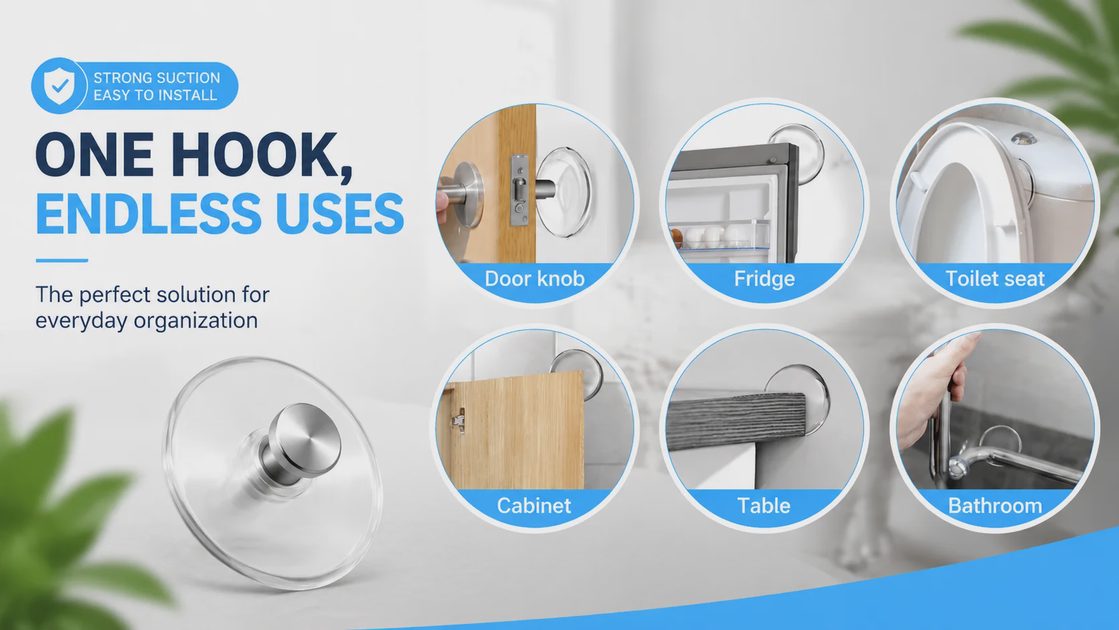
Yes. The same impact absorption works on fridge doors, pantry doors, and cabinet faces that swing into walls or other cabinets.
Do they help with noise as well as damage?
The soft gel dampens the sharp crack of a door hitting the wall. It won’t silence a slamming door completely, but it takes the edge off the sound that travels through the house.
Final Thoughts
A door knob wall protector is not glamorous. It doesn’t change the look of a room or the feel of a floor. It simply stops the daily damage that turns a finished project into a series of small repairs. After eighteen years on my knees I still notice the holes first. Fixing them later costs more time and money than preventing them in the first place.
If your floors are new or newly refinished, take ten minutes to protect the walls that frame them. Clean the spots, press the discs on, and let the doors bounce instead of punch. The rest of the house will look better for longer.
If your walls are already showing signs of door damage, the JZWBLILY six-pack is worth a look. You can check current details on the product page. Explore more on keeping the whole installation intact long after the last board is down. Discover the practical details that separate a floor that lasts from one that starts showing wear too soon. Learn more across the site about the small decisions that protect the larger investment.

Travellers Write
No letters yet — be the first traveller to write.