The first thing people get wrong about durable flooring is assuming the hardest material automatically wins. It does not. A floor can shrug off a dropped cast-iron pan and still fail because the subfloor moves, water finds an edge, or the installation was rushed. After 18 years installing and repairing floors, I judge durable flooring by more than a scratch test. I want to know how it handles muddy shoes, dogs, chairs, moisture, sunlight, repairs, and the occasional child with a marker.
The right choice also depends on where the floor lives. A kitchen, finished basement, hallway, and quiet bedroom do not need the same armor. Spending $12 per square foot on porcelain for a bedroom can be a lot like wearing work boots to mow the lawn: effective, but not especially comfortable or sensible.
What makes flooring genuinely durable
Durability has four parts: surface resistance, structural stability, moisture tolerance, and repairability. Surface resistance is what most product packaging talks about. It tells you whether a finish resists scuffs, dents, or stains. Structural stability is less exciting but just as important. A beautiful floor installed over a damp or uneven subfloor will fail early, no matter what the sample says.
Moisture tolerance matters in kitchens, laundry rooms, entryways, and basements. No floor is a license to ignore a leak. Even waterproof products need correctly sealed seams, sensible transitions, and a dry, flat base. Repairability is where natural materials often beat disposable ones. A solid oak floor with scratches can be sanded. A deeply damaged vinyl plank usually gets replaced one plank at a time, assuming you saved a box for the job.
For a mid-range home, I usually compare installed pricing rather than aisle pricing. A material listed at $3 per square foot can become $7 or $8 after underlayment, demolition, floor preparation, trim, transitions, and labor. That is where the budget tends to develop a limp.
Hardwood, tile, and the honest trade-offs
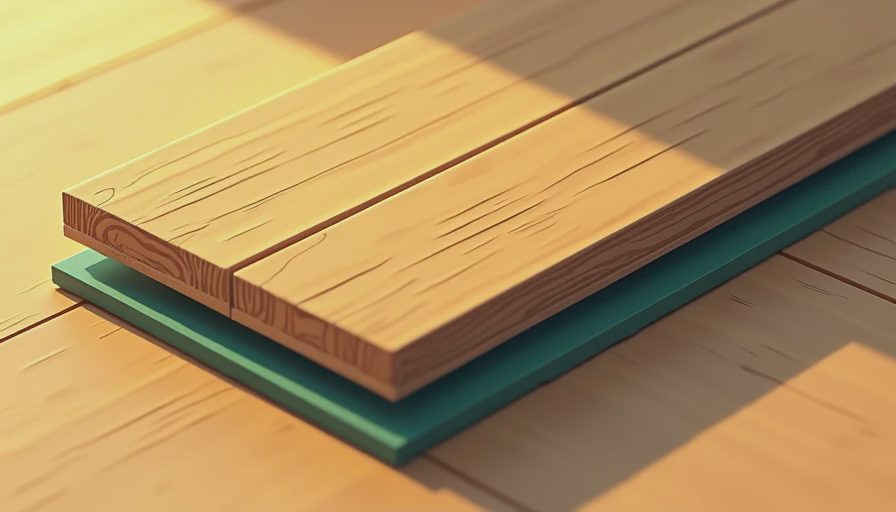
Hardwood remains durable flooring when it is installed in the right rooms and maintained like a wood product, not a countertop. Good-quality solid oak can last 50 years or more because it can be sanded and refinished several times. Installed cost commonly lands around $8 to $15 per square foot, with refinishing often costing roughly $3 to $6 per square foot. A 600-square-foot living area might cost $1,800 to $3,600 to refinish instead of $5,000 or more to replace.
Engineered hardwood gives you better dimensional stability over concrete or in homes with wider humidity swings. Its wear layer matters. A thin decorative layer may not tolerate repeated sanding, while a thicker product can offer a genuine long-term advantage. I would rather install a well-made engineered oak floor than bargain solid wood over a questionable basement slab.
Porcelain tile is the bruiser of the group. It resists water, dents, and heavy traffic, and quality tile can serve for decades. The weak point is often not the tile but the grout, movement in the substrate, or a poor installation. Tile feels hard underfoot, can crack when the base shifts, and is unpleasant when a coffee mug meets it at full speed. Installed pricing commonly runs from $7 to $20 per square foot, depending on preparation and layout.
Is luxury vinyl actually durable flooring?
Yes, but the product has to be judged by its wear layer, core construction, locking system, and installation instructions. Cheap click-lock planks can look fine for a year and then separate at doorways or develop hollow spots over an uneven floor. Better rigid-core LVP generally handles pets, spills, and busy families well, making it practical durable flooring for kitchens and finished basements.
Expect approximately $4 to $10 per square foot installed for many mid-range LVP projects. That price can be attractive, but do not confuse easy cutting with easy installation. The room still needs to be flat. Many manufacturers limit how much variation is acceptable over a given distance, and ignoring that requirement puts stress on the joints. I have pulled up new planks that failed in months because someone tried to bridge a dip with optimism.
LVP is also repairable, just not refinished. If a plank gets gouged, you remove nearby trim, unlock the floor back to the damaged piece, and install a replacement. That process is straightforward during installation and irritating three years later if the color has been discontinued. Save a labeled carton in the basement. Future you will appreciate present-day you for once.

The overlooked choices: cork, bamboo, and concrete
Cork deserves more attention than it gets. It has a warm feel, absorbs sound, and can work well in offices, bedrooms, and living rooms. It is not my first recommendation for a mudroom full of wet boots, but properly finished cork can provide durable flooring for normal household traffic. Expect roughly $5 to $12 per square foot installed. Direct sunlight and standing water are the main concerns, not ordinary footsteps.
Bamboo varies widely. Strand-woven bamboo can be impressively hard, while lower-quality products may have inconsistent finish or construction. Buy based on the actual product specification, not the word “bamboo” on the display sign. Concrete is tough, modern, and useful in basements, but cracks, moisture vapor, cold temperatures, and patching show through unless the preparation is handled properly.
Carpet is not usually the first material people call durable flooring, but dense, quality carpet can last many years in bedrooms and family rooms. Its advantage is comfort and replaceable sections; its weakness is stains, moisture, and trapped wear paths. The most sensible house often uses several materials instead of forcing one floor into every room.
How to choose without wasting money
Start with the room’s worst event, not its average day. In an entryway, that event is wet grit and salt. In a kitchen, it is a leaking dishwasher or a dropped pan. In a basement, it is moisture movement. In a hallway, it is thousands of repeated steps and chair legs turning at the same spots.
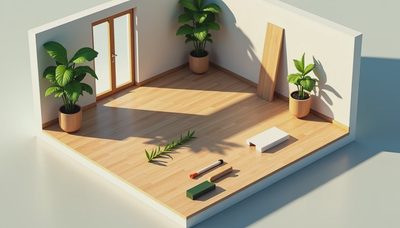
Then inspect the existing floor before ordering material. Use a long straightedge to find dips and humps. Check for squeaks, soft spots, loose subfloor panels, and moisture problems. Pull baseboard in one inconspicuous area to see what layers are already there. Removing old flooring can cost $1 to $3 per square foot, and leveling can add several dollars more. Those costs are not waste; they are what keeps durable flooring from failing over a bad base.
Get at least two installed quotes that separate demolition, preparation, material, labor, trim, and disposal. One contractor may appear $2,000 cheaper simply because floor leveling was left out. Ask what happens at stair noses, fireplaces, cabinets, and transitions. A good quote answers those questions before a crew arrives with a saw.
When replacing is not the smartest move
Before tearing out old hardwood, look closely. Dark finish, surface scratches, and a few squeaky boards do not mean the floor is finished. I have refinished pre-war oak floors that looked ready for the dumpster and turned out better than many new installations. Repairs, sanding, and finish ran far less than full replacement, while the original boards added character that a factory sample could not fake.
Replacement makes sense when boards are badly cupped, repeated water damage has weakened the structure, asbestos-containing materials require professional handling, or the existing layout cannot support the new use. It also makes sense when repair costs approach the cost of a better product installed correctly. Durable flooring is not always new flooring. Sometimes the toughest material is already underneath the paint, carpet, or questionable laminate.
At my own house, the kitchen oak has taken muddy boots, dog claws, spilled beer, and years of family traffic. It has been touched up, not worshiped. That is the test I trust: a floor should look good, work hard, and remain serviceable without turning every dropped object into a renovation emergency.
If you are comparing materials, start with the room, inspect the subfloor, and price the complete job. A flooring estimate should explain how the floor will survive your actual household, not just how attractive the sample looks under showroom lights. Floors take a beating every day. Don't let them beat your budget too.
TL;DR: Choose the material that fits the room, spend money on preparation, and inspect old floors before replacing them. Call me crazy, then call after you get the estimate.

Travellers Write
No letters yet — be the first traveller to write.