The first mistake people make when searching for flooring ideas for bedroom projects is choosing a sample before thinking about how the room is used. A bedroom is not a mudroom. You want warmth under bare feet, reasonable noise control, and a surface that will still look good after years of beds, dressers, vacuuming, and the occasional glass of water tipped onto the nightstand.
I spent 18 years installing floors in Missouri and Illinois homes, and bedrooms are where homeowners most often overspend. They see a tired carpet or scratched oak and assume the room needs a complete tear-out. Sometimes it does. Often, a good cleaning, sanding job, or carefully chosen overlay solves the problem for thousands less.
Start With the Subfloor, Not the Sample
Before comparing flooring ideas for bedroom renovations, check what is underneath the existing floor. Pull a floor vent and look for plywood, plank boards, concrete, or another layer of flooring. Walk the room slowly and listen for squeaks, movement, or a hollow spot. A beautiful new floor installed over a soft or uneven base is just an expensive way to make the problem permanent.
For wood and click-lock products, the floor generally needs to be flat within the limits specified by the product manufacturer. That does not mean perfectly level; it means there are no sharp humps or dips that stress the joints. On a typical 12-by-14-foot bedroom, basic patching and subfloor preparation can run $150 to $600 for materials and labor. If the joists are damaged or the plywood is rotten near a window, the repair can go higher.
Do not skip moisture testing over a basement slab, either. A concrete floor can look dry while still sending enough moisture upward to damage wood or loosen adhesives. This is one of those jobs where a $40 meter and an hour of inspection can prevent a $3,000 redo.

Hardwood Still Makes Sense in the Right House
Hardwood remains one of the strongest flooring ideas for bedroom spaces, especially in older homes with existing oak floors. If the boards are solid, the damage is mostly surface scratches, and there is enough wear layer left, sanding and refinishing can transform the room. I have refinished bedrooms that looked ready for demolition and brought them back with stain, filler, and three coats of finish.
A professional sand and finish commonly lands around $4 to $8 per square foot, depending on repairs and finish choice. A 168-square-foot bedroom might cost $700 to $1,350 before furniture moving and trim work. That is not pocket change, but it is often cheaper than removing the floor and installing new hardwood.
Engineered hardwood is the better choice over a properly prepared concrete slab or in a home where seasonal humidity changes are significant. It has a real wood surface, but its layered construction is more stable than solid planks. Look for a useful wear layer rather than judging only by the color or wide-plank style. Cheap engineered flooring can have a thin veneer that gives you very little room for future repair.
Carpet Is Not Automatically the Cheap Option
Carpet is still one of the most comfortable flooring ideas for bedroom use. It softens footsteps, hides minor subfloor imperfections, and feels good on a cold January morning. A mid-range carpet with decent pad often costs $3 to $7 per square foot installed, so a modest bedroom might land between $500 and $1,200.
The pad matters more than many shoppers realize. A dense pad supports the carpet, improves its feel, and reduces premature crushing around the bed. The softest sample in the store is not always the best long-term choice. Some plush carpets show vacuum tracks and furniture marks quickly, while a medium pile or textured cut-and-loop style is more forgiving.
I would be cautious about carpet in a bedroom with recurring moisture, pets that have accidents, or allergy concerns. It can be cleaned, but the pad can hold odor after a serious spill. If the existing carpet smells musty even after professional cleaning, stop throwing money at it. Remove it, inspect the subfloor, and solve the moisture source before installing anything new.
LVP Works, but Warm It Up
Luxury vinyl plank is among the practical flooring ideas for bedroom remodels because it is affordable, easy to clean, and available in convincing wood visuals. Material and installation often run $3 to $8 per square foot, although floor preparation, trim, and furniture moving can push the final bill higher.
The weakness is comfort. Vinyl over a cold slab can feel hard and chilly compared with carpet or cork. An area rug beside the bed helps, and a quality underlayment can improve sound and feel when the product allows one. Do not add a random foam layer under a flooring system that already includes attached backing; that can create too much movement and void the installation requirements.
Choose a thicker product with a credible wear layer, solid locking edges, and a color that does not imitate every knot in a piece of lumber. Extremely busy printed grain can look artificial across an entire room. I have installed plenty of LVP in bedrooms, but I would not use the cheapest box-store option in a primary suite expected to last 15 years.
Cork and Tile Have Specific Jobs
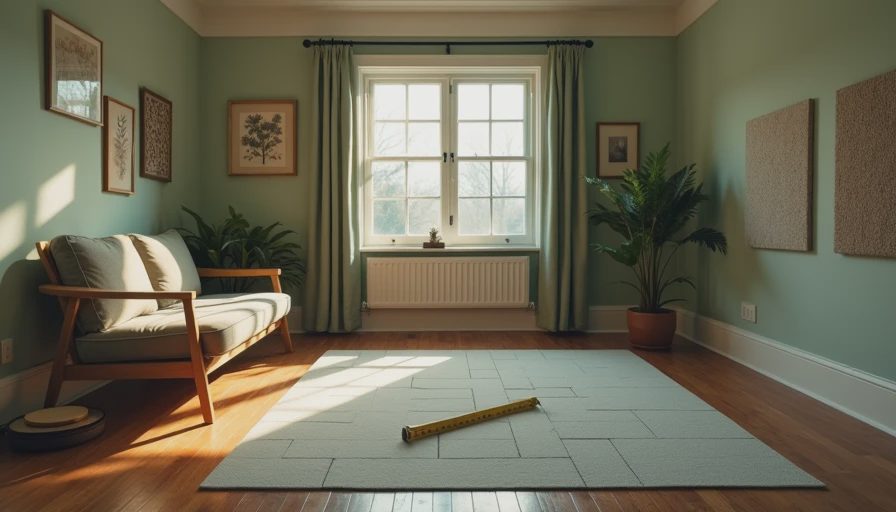
Cork is one of the overlooked flooring ideas for bedroom projects. It is warmer and quieter than many hard surfaces, has a little give underfoot, and can work well in a home office or child’s room. Installed cost commonly falls around $5 to $10 per square foot. The trade-off is that cork can dent under heavy furniture and may need careful sealing, especially near a bathroom or exterior door.
Tile is durable and easy to clean, but I rarely recommend it as the default bedroom floor in a cold climate. Porcelain tile can cost $7 to $15 per square foot installed after underlayment, grout, transitions, and labor. It makes sense in a warm climate, a primary suite with radiant heat, or a room where moisture resistance matters more than softness. Without radiant heat or a substantial rug, tile can feel like a commercial hallway at six in the morning.
Bamboo sits somewhere between hardwood and engineered flooring. Quality varies widely, so inspect the construction and finish rather than trusting the label. A reputable strand-woven product can be hard and durable, while bargain material may have inconsistent boards and a finish that scratches quickly.
What I Would Put in My Own Bedroom
My house is the long-term test lab, and I would choose existing hardwood first if the boards were sound. I would sand it if the damage was cosmetic, replace only the bad boards, and use a low-sheen finish that does not turn every footprint into a spotlight. For a concrete basement bedroom, I would choose a well-made engineered floor or quality LVP with a proper moisture plan. For a child’s room, carpet remains a sensible choice when spills and noise matter more than resale appeal.
The installation details deserve as much attention as the material. Leave the correct expansion gap around floating floors, undercut door jambs instead of forcing planks around them, and use transitions where flooring heights genuinely change. Do not cover an uneven threshold with a giant bead of caulk and call it finished. That is not craftsmanship; it is hiding the evidence.
Get two estimates that show preparation, removal, disposal, trim, transitions, and furniture moving separately. A $2.50-per-square-foot installation quote can become $5.50 once the forgotten work appears. Asking for the full scope early is how you keep a manageable bedroom project from becoming a budget ambush.
The Bottom Line on Bedroom Flooring
The best flooring ideas for bedroom rooms are not necessarily the trendiest ones. Sound hardwood is worth restoring, carpet is still valuable for warmth and quiet, LVP is a practical answer when you control the subfloor, and cork deserves a closer look when comfort matters. Tile has its place, but it should be chosen for a reason rather than because a showroom sample looked modern.
Measure the room, inspect below the surface, and price the complete installation before ordering material. Floors take a beating every day. Don't let them beat your budget too.
TL;DR: Restore good wood before replacing it, choose comfort deliberately, and spend money on preparation before chasing a prettier sample.

Travellers Write
No letters yet — be the first traveller to write.