The first thing homeowners get wrong about flooring wood parquet is assuming the little blocks mean the floor is disposable. Parquet is not a cheap imitation of plank flooring. In many houses, those oak, maple, or walnut pieces were glued or nailed down decades ago, and the floor can have plenty of life left. I have refinished parquet in St. Louis homes that looked ready for the dumpster and came back looking better than new.
The harder question is not whether parquet can be repaired. It is whether repair makes financial sense in your room, with your subfloor, moisture level, and patience. A badly damaged surface might need sanding. A loose installation might need selective replacement. Water damage over a failing slab can justify removal. Here is how I sort those situations without spending somebody else's money.
What flooring wood parquet actually is
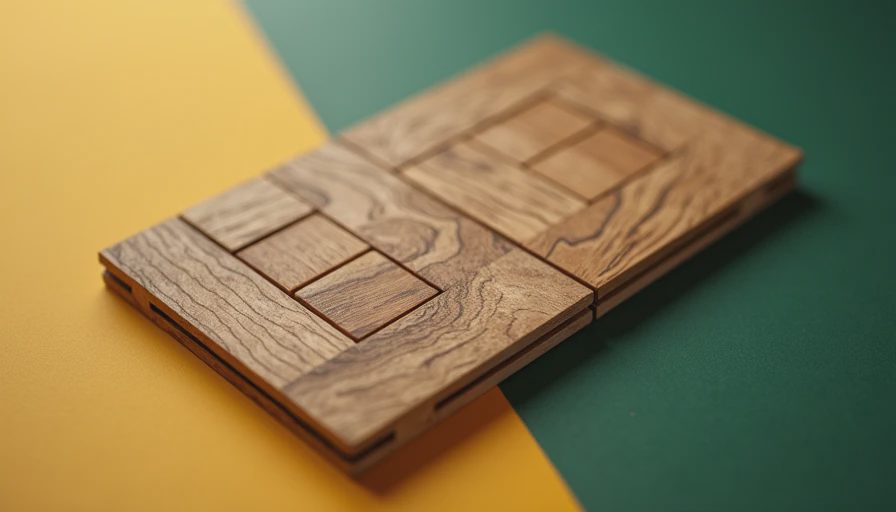
Flooring wood parquet is assembled from short wood pieces arranged in a repeating pattern, such as herringbone, basket weave, brick, or geometric squares. Traditional parquet may be solid wood, while newer products can be engineered construction with a real wood wear layer. That difference matters when sanding. Solid blocks can often tolerate more restoration, but engineered parquet has a limited amount of usable wood above its tongue, groove, or backing.
Most older residential parquet I have worked on was oak, usually installed over plywood, boards, or concrete. The blocks were set in adhesive, asphalt-based cutback, or occasionally nailed through hidden edges. That old black adhesive is not just ugly. Disturbing it can create a mess and, in some older buildings, potentially expose hazardous materials. Do not grind or sand unknown adhesive until it has been evaluated properly.
Pattern is another practical issue. Plank flooring gives you long, straight boards to replace. Parquet gives you a puzzle. A replacement block that is the wrong width by a fraction of an inch can make the whole patch look crooked. Before buying material, measure the block, check the tongue or edge profile, and take a damaged sample to a flooring supplier.
When sanding and refinishing is the smart move
If the blocks are mostly tight, the floor feels solid, and the damage is limited to finish wear, sanding is usually the right answer. Surface scratches, gray traffic lanes, old wax, and faded color are normal restoration problems. A professional can sand the finish, make localized repairs, stain if needed, and apply polyurethane or another suitable coating.
A typical professional refinish runs about $4 to $8 per square foot in many markets, with stairs, furniture moving, repairs, and unusual patterns pushing the number higher. A 300-square-foot living room might therefore cost $1,200 to $2,400 before major repairs. That is not pocket change, but it is a different conversation from removing the floor, hauling debris, leveling the substrate, and installing a replacement.
The catch is that parquet needs a careful sanding approach. Aggressive diagonal sanding can flatten the pattern edges or remove more wood than necessary. I prefer starting with the least aggressive cut that will remove the existing finish, then checking the surface under good light. If a contractor reaches for a heavy drum sander immediately, ask how much material will be removed and what happens if one section is thinner than the rest.
Color can be tricky too. Oak parquet may absorb stain unevenly after years of sunlight and cleaning products. A natural or medium brown finish often hides variations better than a very dark stain. On my own house, I chose a water-based finish with a low-sheen appearance because it showed less dust and did not turn the old wood orange.
When flooring wood parquet needs repairs first
Loose blocks are common near exterior doors, kitchens, radiators, and rooms that have experienced plumbing leaks. Press on the suspect pieces with your shoe. Movement, clicking, hollow sounds, or visible gaps indicate more than a cosmetic problem. Sanding loose blocks can make the surface look fresh for a few months, but the movement will telegraph back through the finish.
A repair normally involves removing the loose block without damaging its neighbors, cleaning the substrate, applying the correct adhesive, and weighting the piece until it sets. Replacement wood then needs to be trimmed, fitted, sanded level, and blended into the pattern. Small repairs might cost $150 to $500. Larger patches can reach $1,000 or more, especially when matching old wood and finish.
Moisture is the line I will not cross. If blocks are cupped, swollen, dark at the edges, or lifting across a broad area, find the water source first. Check a dishwasher, refrigerator supply line, basement humidity, crawlspace, or slab moisture. Installing new pieces over wet material is paying twice for the same failure.
When replacement is better than restoration
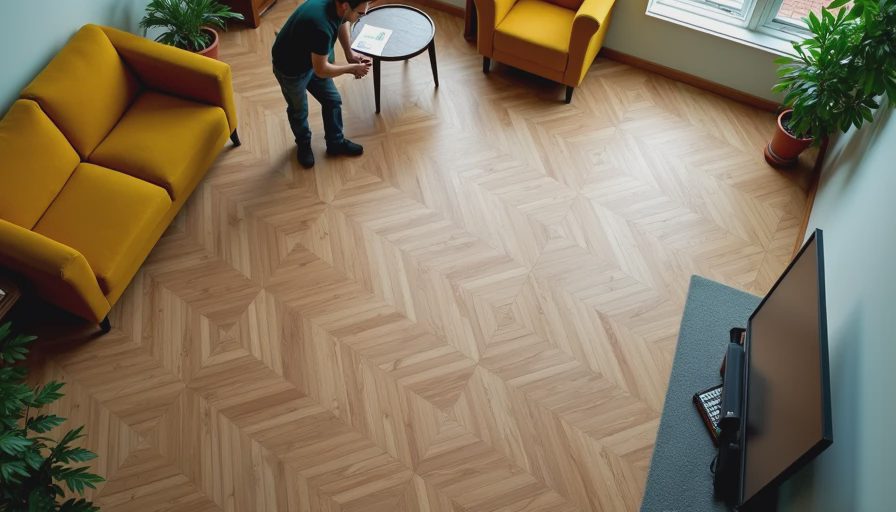
Sometimes the honest answer is to remove the parquet. I would choose replacement when the substrate is unstable, widespread moisture has caused damage, or more than roughly a third of the room needs individual block replacement. That percentage is not a law; it is a practical threshold from watching small repairs turn into full-room surgery.
Removal can be labor-intensive. Adhesive bonded to concrete may require scraping, grinding, or a cement-compatible encapsulation system. On a 500-square-foot room, demolition and disposal can easily add $1,000 to $2,500 before new flooring goes down. If the slab needs leveling, add another $2 to $6 per square foot in many ordinary projects. The attractive new floor is the final step, not the whole bill.
If you replace it, engineered hardwood is often a sensible choice over a stable slab. It handles seasonal movement better than many solid products and can provide the same warm appearance. Luxury vinyl plank is cheaper and more forgiving around occasional moisture, but it will not reproduce the feel or repairability of real wood. Porcelain tile is tough, though it brings a colder surface and a more demanding subfloor preparation process.
A practical cost comparison before you decide
For a 400-square-foot room, restoration might look like this: $500 for repairs, $2,400 for sanding and finishing, and $200 for trim touch-up, totaling about $3,100. A full replacement might include $1,200 for removal, $1,200 for substrate preparation, $3,600 for mid-range engineered flooring and installation, plus $500 for transitions and trim. That total is around $6,500.
Those numbers are not universal bids, but they show why flooring wood parquet deserves an inspection before demolition. Restoration leaves the existing pattern, avoids landfill hauling, and usually creates less disruption. Replacement gives you a clean start when the old installation has failed underneath. The cheapest material is not automatically the cheapest project.
Get estimates that separate labor, disposal, repairs, finish, trim, and floor preparation. A quote that says “install flooring” for one lump sum hides the items most likely to grow. Also ask whether the contractor owns an edge sander and has repaired parquet before. Experience with ordinary plank floors does not automatically translate to patterned blocks.
How to inspect flooring wood parquet yourself
Start by marking every loose or damaged area with painter's tape. Look for stains that return after cleaning, gaps that change with weather, and edges that sit higher than neighboring blocks. Use a moisture meter if you have one, but remember that the reading is only useful when you understand the meter and compare several locations.
Next, inspect transitions into tile, carpet, and cabinets. A height difference can tell you whether the parquet sits over another floor or whether previous owners already removed a layer. Open a floor vent if possible and look at the edge. You may learn the wood thickness, subfloor type, and whether an underlayment is present without destroying anything.
Finally, request a small test area before approving full refinishing. The test should show how scratches disappear, how the color absorbs, and how the proposed finish reflects light. If the sample looks good in daylight and under evening lamps, you have useful evidence. If it looks patchy, do not let a sales pitch talk you out of what your eyes are telling you.
The right contractor will explain what can be saved, what must be replaced, and why. That explanation is worth more than a low square-foot price. Floors take a beating every day. Don't let them beat your budget too.
TL;DR: Inspect flooring wood parquet before tearing it out; if the blocks are solid and the moisture is controlled, sanding and repair usually beat replacement.



Travellers Write
No letters yet — be the first traveller to write.