Light Color Wood Floor: What I Learned in 18 Years of Installing and Refinishing
When a homeowner tells me they’re leaning toward a light color wood floor, the first thing out of their mouth is almost always the same: "But won't it show every speck of dust?" I've heard that line a thousand times over 18 years of installing and refinishing floors. And honestly, it's backwards. A light color wood floor hides fine dust and pet hair better than a dark one. What it does show is sticky footprints and spots you miss with the mop. So let's talk about what's actually true, what it costs, and what I'd do if this was my own house.
I've seen a lot of homeowners talk themselves out of a light floor because they heard one thing from a friend or saw a Pinterest fail. But most of those horror stories come from a bad install or the wrong finish, not the color itself.
Why Light Color Wood Floors Get a Bad Rap
Most of that bad rap comes from people who've only lived with one dark floor and one light floor, and they're comparing the wrong things. Dark floors show dust the second it lands. A light floor shows dirt only when it's actually ground in. The really big difference is scratches. On a dark stained oak floor, a single nick stands out like a white streak on a black car. On a light natural floor, you have to kneel down and look closely to see most everyday wear. The finish also matters more than the species. I've put Bona Traffic HD on white oak, red oak, ash, and maple, and with a satin sheen, the floors look clean for a week at a time. There's also the light-bouncing effect. In a narrow hallway or a room without south-facing windows, a light floor makes the space feel bigger. Painters know this, and so do floor guys. I've had clients tell me a light floor made their kitchen feel five feet wider.

The Real Cost of a Light Color Wood Floor
Here's what you'll actually pay for a light floor. If you're buying new, expect to pay $6 to $12 a square foot installed for a white oak or ash floor in a natural or whitewashed finish. On a 1,500-square-foot main level, that's $9,000 to $18,000. Last year I refinished a 1,400-square-foot St. Louis bungalow with a white oak floor that had been buried under carpet. Sanding, staining, and three coats of water-based poly ran $4,900. That's about $3.50 a foot versus $10 a foot to tear out and replace. The price gap between light and dark is basically zero; the stain and finish are what add cost. A white oak floor with a clear finish costs the same as a walnut floor. The expensive part is the prep work.
The One Thing Nobody Tells You About Light Floors
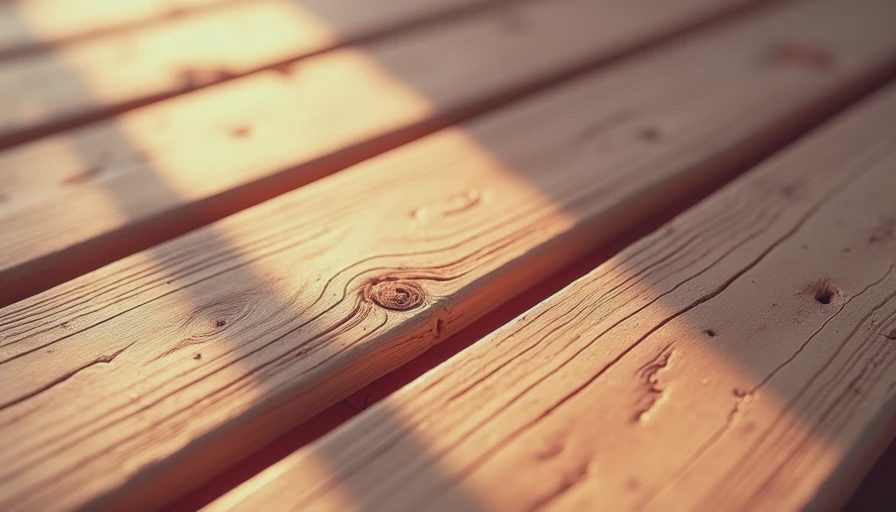
The biggest surprise for most homeowners is how the finish changes the color. A light color wood floor installed with oil-based polyurethane will start to turn amber within a year or two. The same floor with a water-based finish stays pale and bright for years. I've also learned to warn people about direct sunlight. Over time, UV rays can lighten some wood species and yellow others. Putting down an area rug or adding window film is the simplest way to keep the floor looking even. If you're installing a light floor over a concrete slab, make sure the moisture barrier is right. I've seen moisture turn a white oak floor gray. Not the color anyone hoped for. Spend the extra money on a good water-based finish. You'll thank yourself later.
How to Keep a Light Floor Looking New
For a light floor, the biggest enemy is tracked-in grit. The routine is simple: sweep or vacuum once a week, and use a damp mop with a hardwood-safe cleaner like Bona. Don't let water sit on it. You don't need a special light-floor cleaner. You just need to avoid the things that scratch any floor: dirt, dog nails, and dragging furniture. Put felt pads on every chair leg, and keep a mat at the door. Do that, and a light floor will look good for a decade.
Light vs. Dark: Which Holds Up Better?
In my crews' experience, light wins on daily wear. The natural grain and color variation camouflage dings and scratches. A dark walnut floor, on the other hand, shows every scuff like a chalkboard. I don't mean dark floors are bad; I just mean you'll be touching up scratches more. If you have kids or dogs, that matters. I've seen a light color wood floor in a house with two big dogs and three kids, and it looked presentable for years. A dark floor in the same house would have needed a screen and recoat every year.
Should You Sand and Refinish or Rip It Out?
If you have existing oak floors, the cheapest way to get a light color wood floor is to sand them down and put on a whitewash or a water-based finish with no stain. That runs $3 to $5 a square foot. Tearing out and replacing runs $8 to $12 installed. I've taken up a lot of carpet over the years. Usually there's a perfectly good white oak floor underneath. My standard advice: sand it before you replace it. You can always tear it out later, but you can't un-tear it out.
TL;DR: A light floor is forgiving, bright, and usually cheaper than you think. Sand it before you replace it. Call me crazy. Then call me after you get the estimate.


Travellers Write
No letters yet — be the first traveller to write.