After 18 years of installing and refinishing hardwood, I can tell you the shade I've put in more often than anything else: medium brown hardwood floors. Not the dark espresso everyone asks for, not the pale Scandinavian oak you see on Instagram. Medium brown is the shade that actually lives well with a family, a dog, and dropped Cheez-Its. It's the workhorse. And most homeowners don't realize how much forgiveness they're buying until they've lived on a dark floor for a year.
Why Medium Brown Is the Most Forgiving Shade
Dark floors show every speck of dust and every paw print. Light floors show every scuff and every grain of dirt. Medium brown hardwood floors sit right in the middle, literally grazing over the small stuff your vacuum misses. I've done side-by-side tests in my own house — the living room is red oak stained a medium brown, the kitchen is white oak with a natural finish. Guess which one I have to sweep three times a week? It's the light one. The medium brown room can go two weeks without looking rough, and nobody notices. That's not marketing. That's the physics of contrast: the floor doesn't fight the dirt; it blends with it.
The other win is scratches. Every hardwood floor gets scratched — furniture, dog nails, a kid dragging a bin of Legos. On a dark floor, those scratches look like a highway map under the chandelier. On a medium brown floor, a scratch just disappears into the grain. The same exact wear pattern that makes a dark floor look trashed after three years makes a medium brown floor look like it's developing character.
What to Look For When You Buy
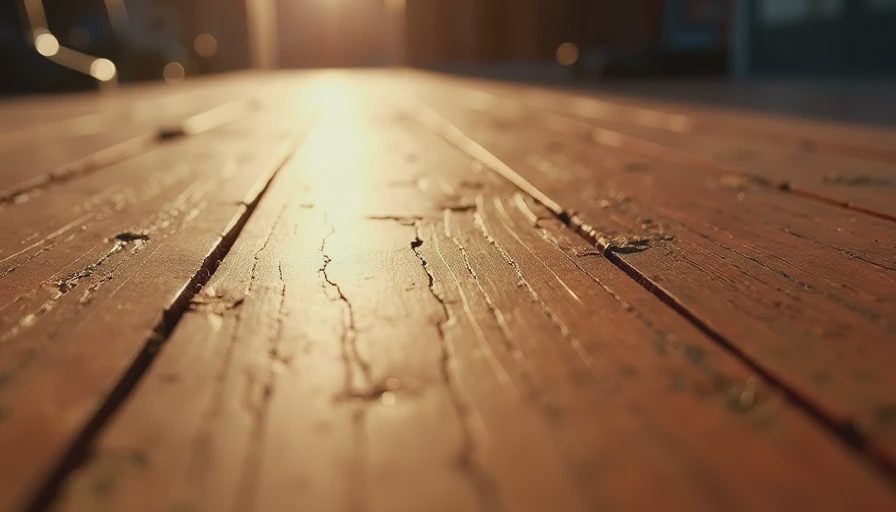
Medium brown hardwood floors come in two basic camps: red oak and white oak. Red oak takes the stain beautifully and is the classic choice across the Midwest and South. White oak is a little harder, has a subtler grain, and is what I recommend if you plan on a wire-brush texture. As for the stain itself, the key is to pick a stain with a little red or amber in it. A flat, cocoa-like brown can go muddy. A stain with warmth — something like a classic provincial or special walnut — reflects light and hides dust better.
You also want to decide between solid and engineered. Solid hardwood is a full 3/4-inch plank, and it can be sanded three or four times over its life. Engineered hardwood has a real wood veneer over a plywood core, and it handles moisture better if you're putting it over a concrete slab. For medium brown hardwood floors, the difference matters less than you think, because the stain is the star. Both can look identical. The real question is how many times you plan to refinish. If you're in a house where the kids are going to grow up, go solid. If you're flipping a property or covering a basement slab, engineered saves you headaches.
What a Medium Brown Floor Actually Costs
I'll give you numbers from a typical 1,200-square-foot first floor in the St. Louis area, installed by a pro. Solid red oak with a medium brown stain runs about $6 to $9 per square foot installed. White oak with a similar stain runs a bit higher, usually $8 to $12. Engineered medium brown hardwood floors land somewhere between $5 and $10 depending on the thickness of the wear layer and the brand. That puts a 1,200-square-foot job anywhere from $7,200 to $14,400. The material itself is maybe 40% of that. The rest is prep, underlayment, install, transitions, and finish.
If you're comparing to a full replacement, remember that a tear-out and haul-away adds $1.50 to $2.50 per square foot. That's $2,000 to $3,000 on a 1,200-square-foot room before you buy a single plank. If your current subfloor is in decent shape, you can sometimes skip the tear-out entirely and install over it, but that's a conversation for a site visit.
How to Keep Medium Brown Hardwood Floors Looking Fresh
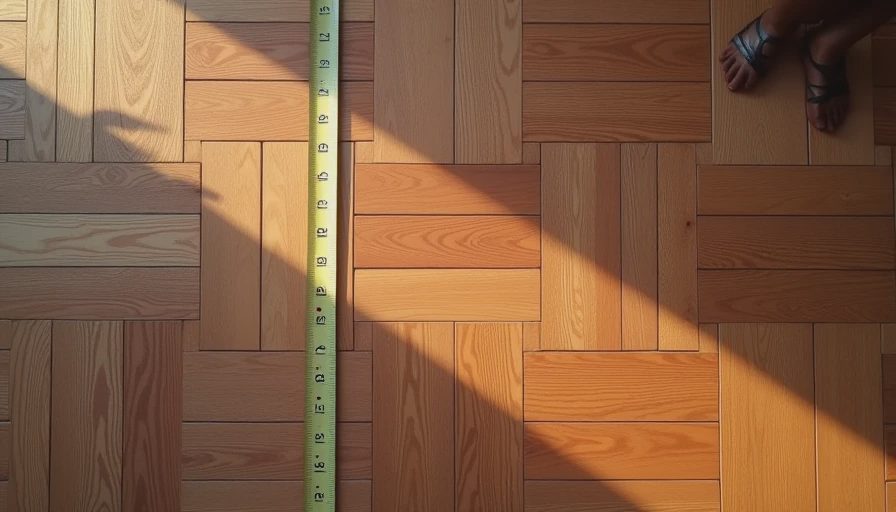
The maintenance is boring, but it's the boring that wins. Vacuum or sweep twice a week. When you wet-clean, use a barely damp microfiber mop with a hardwood-specific cleaner. Water is the enemy — too much causes cupping and finish damage. I tell my clients to think of it like wiping down a wooden cutting board: damp, not drenched.
And don't skip the area rugs. A rug mat under a chair, a runner in the hallway, and a flat-weave entry mat at the door catch the grit that acts like sandpaper on the finish. Grit is the real killer of medium brown hardwood floors, not the color. If you maintain the finish, that floor will easily go 25 years before it needs a recoat.
Should You Refinish Instead of Replace?
This is the question I get asked most. If these floors are solid or good engineered wood with a wear layer of 2mm or more, and the damage is just scratches and dull finish, refinish them. Sanding and recoating runs about $3 to $5 per square foot, a third of the cost of replacement. In 90% of the cases I see, the floor isn't dead — it's just tired.
One caveat: if the boards are cupping from water damage, or the wood is delaminating, that's not something a sanding fixes. Then you're genuinely looking at replacement. But if you're just tired of the look, or you bought a house with a dingy finish, sand it first. You'll be shocked what comes back.
TL;DR: This shade is the most forgiving, most cost-effective finish you can put in a family home. Don't rip out a fixable floor just because it doesn't look like a magazine spread. Sand it, recoat it, and let it get back to work. Floors take a beating every day. Don't let them beat your budget too.

Travellers Write
No letters yet — be the first traveller to write.