The first mistake people make with light oak flooring is treating it like a color choice instead of a whole-room decision. They see a pale sample in a showroom, like the brightness, and assume the rest will take care of itself. It won't. The species, stain, sheen, and finish all change how the floor looks after six months of shoes, crumbs, dog nails, and winter salt. I have seen plenty of homeowners spend good money on a pretty sample and then wonder why the room feels washed out or the floor looks dirty by the time the moving truck leaves.
Most of the time, what people really want is a floor that opens up a room without looking bleached or trendy in a bad way. That is a fair ask. In the right house, the right sheen, and the right light, light oak flooring can do exactly that. In the wrong room, it can look flat and demanding, like it needs constant attention. The trick is not chasing the palest board in the stack. The trick is matching the wood to the traffic, the sunlight, and how much patience you actually have.
The thing people get wrong first
A pale floor is not automatically a clean floor, and a darker floor is not automatically a forgiving one. The better question is how the grain reads once the floor has some life on it. White oak has a calmer grain and usually a cooler, steadier look. Red oak shows more movement and can lean pink or orange if the stain is not handled well. That matters because a finish that looks soft and neutral in the store can swing warm or dull after it is installed across 800 square feet.
On light oak flooring, I like a low-sheen finish more often than not. Satin hides normal wear better than gloss, and matte can be even more forgiving if the subfloor is flat and the room gets real daylight. High gloss looks fancy for about a week and then starts snitching on every scratch. If you are buying prefinished boards, look at the bevels too. Deep beveled edges collect dust and make the floor read busier than it should.
The other thing people miss is that light boards magnify layout mistakes. Narrow halls, crooked walls, and bad transitions show up faster on pale wood. That is why a clean install matters more here than it does on some darker floors that hide sins the way old carpet hides coins.
Finish is doing more work than the species
A lot of buyers think the wood species is the whole story. It is not. The finish does most of the visual heavy lifting. A natural or clear finish keeps the grain visible and gives you that easy, open look people pay for. A white-toned stain can cool the floor down, but if it is overdone, the room starts looking dusty instead of bright. If you want the floor to age with a little grace, a finish like Bona Traffic HD or Loba 2K on site-finished oak gives you a tougher topcoat than the bargain stuff and does a better job resisting scuffs from chair legs and kitchen traffic.
That is where light oak flooring earns its keep. In a house with a lot of daylight, a pale floor can make a modest room feel less boxed in without forcing you into a trendy gray that you will hate in five years. I have put similar floors in updated ranch homes and in older two-stories where the owners wanted a cleaner look without gutting the whole interior. The better jobs were always the ones where the floor matched the trim, cabinets, and wall color instead of fighting them.
If your trim is warm honey oak and your cabinets lean orange, a pale floor can either calm the room down or expose every mismatch. That is why samples need to live in the room for a few days, not a few minutes. Sunlight changes everything.
Where it earns its keep
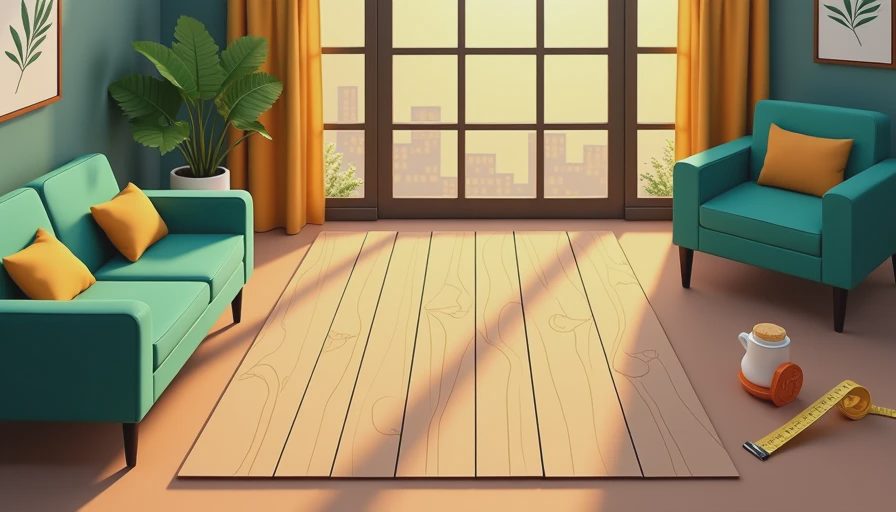
I like light oak flooring most in homes that need brightness more than drama. Small living rooms, narrow foyers, older houses with fewer windows, and main levels that connect kitchen, dining, and family space all benefit from a floor that does not visually chop the room into pieces. It also works well when the homeowner wants to change wall color later without ripping out the floor. Pale wood plays nice with more paint colors than a busy, reddish floor does.
It is not the best choice if you want a floor that hides every speck. Mudrooms, rental units with heavy turnover, and homes with big dogs can wear a pale floor faster in the eye, even when the wood itself is fine. That does not make it a bad pick. It just means you need the right expectations. Light oak flooring is honest. It shows traffic patterns sooner, and in exchange it keeps a room looking open.
I have also seen it save bad layouts. A chopped-up first floor with different ceiling heights can feel less chaotic when the eye is not getting hit with a dark border every few feet. When the floors, stairs, and railing are all working together, the place looks bigger without adding a square foot.
Refinish first, replace only when the floor is out of meat
This is where homeowners can save real money. If you already have solid oak under there, sanding and refinishing usually beats replacement by a mile. A normal refinish job often runs about $3 to $6 per square foot in many markets, while full tear-out and new wood installation can land in the $8 to $14 range before you get fancy with trim or stairs. If the existing floor has enough thickness left, I would refinish before I would spend another five figures tearing a decent floor apart.
The catch is wear layer. If you have old solid oak, you are usually in decent shape unless somebody already sanded it too many times. If you have engineered flooring, the top layer may be too thin to sand more than once, or not at all. That is the point where the smarter move is replacement, not heroics with a drum sander. I lost money once trying to save a thin engineered floor in a kitchen remodel. The boards telegraphed wear after the first pass, and the homeowner ended up paying twice because I was trying to be the nice guy. Lesson learned.
If you are standing in your own house wondering whether to sand or start over, pull up a floor vent or look at an unfinished edge. If you can see real wood thickness, you may have a solid candidate for a lighter refinish instead of a full replacement. That is the kind of money question nobody likes to ask, but it is the one that matters.
How to live with it without babying it
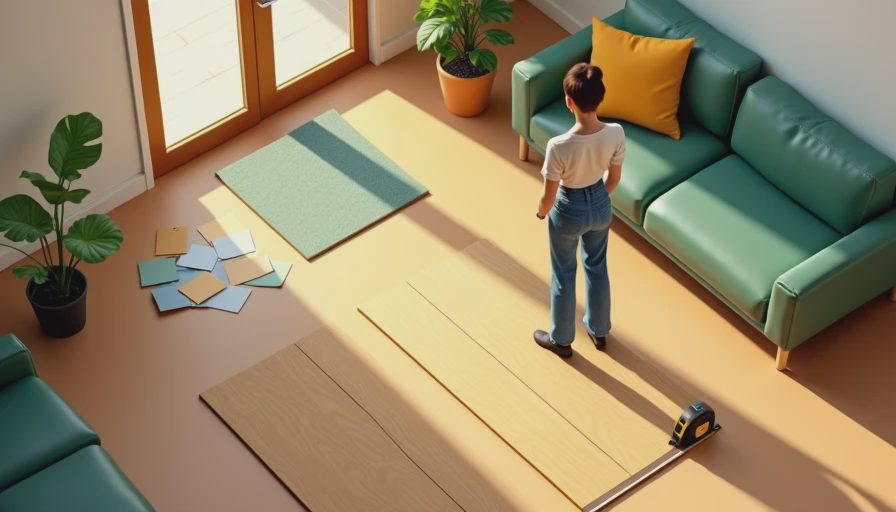
A good floor should not require a shrine. Put felt pads under chairs, use a real doormat, and keep a small canister vacuum or microfiber mop handy. That is not flooring advice from a brochure. That is what keeps a pretty floor from looking tired in year two. Avoid steam mops, harsh cleaners, and anything that leaves a film. A simple hardwood cleaner from Bona or a similar brand is enough for routine maintenance.
If you have pets, keep nails trimmed. If you get a lot of direct sun, use curtains or shades in the worst-hit windows because even a pale floor will shift color over time. I have watched a front room fade in a neat rectangle from the afternoon sun while the rest of the house stayed steady. That is not a defect. That is wood doing wood things.
My own house has a test section of oak near the back entry that gets the worst of Midwest slush and kid traffic. The boards with the matte finish still look better than the high-sheen sample I used in a hallway years ago. The matte floor did not stay pristine, but it aged in a way that looked lived in, not beaten up. That is the standard I tell people to aim for. You want a floor that looks better with age, not one that begs for a touch-up every season.
TL;DR: If the floor is solid, light oak flooring is usually worth saving. Sand it before you replace it. Call me crazy. Then call me after you get the estimate.

Travellers Write
No letters yet — be the first traveller to write.