The one thing people get wrong about lvp vs lvt flooring is thinking one is better in some universal sense. They are both vinyl products, and both can be smart buys when the subfloor is decent and the room asks for the right look. The real difference is shape and use: LVP is plank format, usually meant to mimic wood, while LVT comes in tile format and usually leans toward stone, ceramic, or patterned looks. In my old install days, that simple fact saved homeowners from spending extra money on the wrong style and then blaming the material when the room still looked off.
If you want the short version, LVP gives you longer visual runs and a cleaner fit in open plans. LVT makes more sense when you want a tile look without the cold feel, grout maintenance, or the price of porcelain. The floor itself is only half the story. Prep, transitions, and the room you put it in usually decide whether the job feels like a bargain or a money pit.
The difference that actually matters on a real job
When I talk about lvp vs lvt flooring with homeowners, I start with the room, not the marketing. Both products are layered vinyl, usually with a wear layer, a printed design layer, and a core. In budget lines, that core is often flexible. In better lines, it is a rigid core that handles dents and daily traffic better. The wear layer matters more than the logo on the box. A 12 mil wear layer is fine for lighter use. Around 20 mil is where I get comfortable in a family home with kids, dogs, and a kitchen that sees real traffic.
The shape matters too. Planks are friendlier in hallways, living rooms, and long runs because your eye reads them like wood flooring. Tile format can look right in a bathroom, laundry room, mudroom, or basement bar because the room already wants a smaller pattern. I have seen homeowners choose tile format for the whole first floor and regret it because the seam pattern fought the layout of the house. That is not a defect in the material. That is a mismatch between the floor and the space.
Where both win is moisture. A busted fridge line, a spilled pet bowl, or wet boots do not scare vinyl the way they scare hardwood. That said, waterproof flooring does not fix a rotten subfloor. I have pulled up plenty of waterproof floors sitting on soft plywood that had already been ruined underneath. The top surface survived. The structure did not.
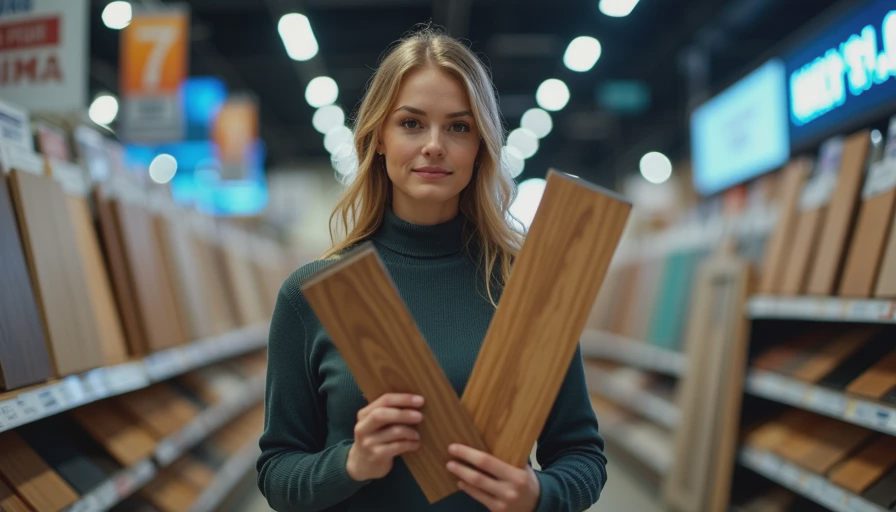
What it costs once the crew shows up
Once you price lvp vs lvt flooring, the material number is only the opening act. Basic big-box stuff can land around $2 to $4 per square foot for material, while better rigid-core products from brands like Shaw Floorté, Mohawk SolidTech, CoreTec, Lifeproof, or SmartCore can run higher. Installed, a straightforward job often lands somewhere around $4 to $8 per square foot, and premium products or difficult layouts can push that into the $8 to $12 range.
The part homeowners underestimate is prep. A floor that is flat and clean goes fast. A slab with humps, dips, old adhesive, or cracked tile does not. Leveling compound, patching, moisture barriers, and demo can add real money fast. I have watched a quote climb $2,000 to $5,000 just because the old ceramic had to come out and the slab needed a day of repair before anyone could start laying new material. That is how a simple room turns into a week-long project.
Glue-down and floating floors each have their place, but neither one is magic. Floating floors are faster and often cheaper to install, yet they can sound hollow if the subfloor is wavy or the underlayment is junk. Glue-down can feel tighter and lower, but it asks for more labor and better prep. If a salesman waves away that detail, he is selling a box, not a floor.
Where I’d use each in a real house
If you want my blunt answer, LVP is the safer bet for most whole-house renovations. It handles long sight lines better, it is easier to keep visually calm from room to room, and it looks less busy in open plans. If you are doing a kitchen that flows into a family room and down a hallway, planks usually win that fight. They also hide slight variations in a house better, which matters in older homes that are never as square as the drawings pretend.
LVT shines when the design calls for a stone or tile look and you do not want porcelain tile costs or cold floors underfoot. I like it in laundry rooms, smaller baths, and basements where a slate or limestone look fits the room. I also like it in homes where a homeowner wants the cleaner maintenance story. No grout haze, no sealing schedule, no chipped ceramic corner every time a cast-iron pan misses the island.
If the subfloor is bad, though, neither one gets a free pass. I have told people to stop and fix the framing, replace wet OSB, or level a slab before they spent another dollar. That is the part people hate hearing because it is not shopping. But it is cheaper than laying a $7 floor over a floor that moves every time somebody walks across it. If you are already tearing out the old material, spending a few hundred on honest prep is usually smarter than gambling on a shortcut.
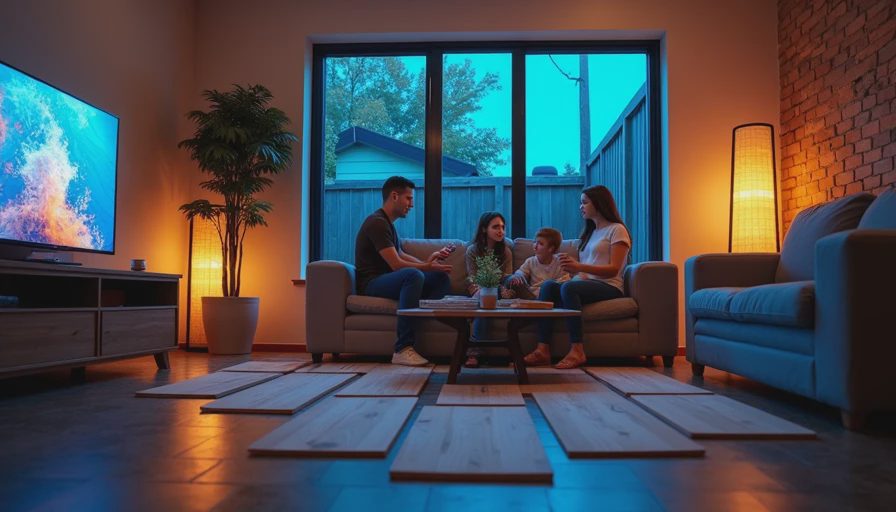
The jobs that come back to haunt people
The callbacks I remember are rarely about the brand name. They are about choosing a cheap wear layer, skipping prep, or putting the wrong product in the wrong room. A 6 mil wear layer in a busy house gets ugly fast. Chair legs, dog nails, and grit from the driveway do not care what the brochure said. If a room sees regular traffic, I want a stronger wear layer and decent furniture protection from day one.
Sunlight is another issue nobody mentions until the floor starts to fade by the patio door. Vinyl is better than a lot of finishes at handling daily use, but direct sun and heat are still real. Heavy furniture can also dent a softer core, and rolling chairs will punish a weak product faster than most people expect. I learned that the hard way in my own house office when a cheap chair mat left the floor looking like a tire test track.
If you are stuck on lvp vs lvt flooring, I would make the decision by room shape and sight lines first, then by budget, then by style. Open plan and wood look? LVP. Smaller room, stone look, or a space where tile would be overkill? LVT. If the floor underneath is a mess, fix that before you buy anything shiny. That is the expensive lesson most homeowners only learn once.
TL;DR: Pick the format that fits the room, spend money on prep instead of just the box, and do not buy the cheapest wear layer you can find. Floors take a beating every day. Don’t let them beat your budget too.



Travellers Write
No letters yet — be the first traveller to write.