The first mistake I see is treating beige square tile like a design crime. Most of the time it is just an old, safe finish that was popular when builders wanted something neutral and low-risk. If the grout is tight and the tile is not cracked, you may be looking at a floor that still has another 10 years in it, which is a lot cheaper than a full tear-out.
What it says about the room
A lot of beige square tile from the 1990s and early 2000s was builder-grade ceramic, usually 12x12 or 13x13, set fast and plain. That does not make it junk. It means the original owner wanted something durable, easy to clean, and boring enough to sell a house. I have pulled up plenty of floors that were technically serviceable but looked tired because the grout had gone dark, the cabinet color fought the tile, and every light bulb in the room was running too warm. The tile itself was fine. The room around it was doing the damage.
If the surface is flat, the grout joints are sound, and you are not seeing tented spots or hollow sounds underfoot, I would not rip it out just because a magazine would rather see big-format porcelain. That is how homeowners burn $4,000 to $12,000 on a kitchen that only needed a smarter finish schedule.
A real-world fix is often cheaper: a professional grout cleaning, fresh sealer, better paint, and a warmer rug can make an old floor feel intentional again. On a small kitchen or mudroom, that usually costs a fraction of replacement and buys time until you are ready for a bigger remodel.
When the floor has earned its replacement
The reason beige square tile starts looking bad is not the color by itself. It is age plus everything that happened after install: cracked grout, lippage, chipped edges, and that one bad patch near the dishwasher where a previous leak lived too long. If your beige square tile is loose, hollow in whole sections, or glued to a subfloor that flexes when someone walks across it, patching becomes a bad bet.
This is where I tell people to spend with both eyes open. Demo and replacement for standard ceramic or porcelain often lands around $12 to $25 per square foot installed in a normal U.S. market, and more if the old floor is stubborn or the subfloor needs repair. Add underlayment, backer board, or patch work and the bill climbs fast. I have seen a “simple” kitchen turn into a $7,500 job because the crew found water damage, bad transitions, and a previous layer of thinset that fought every inch of the way.
If the house is already mid-reno, that can still be money well spent. If the rest of the room is staying put, though, a full tear-out can be a hard sell.

How to make it look better without wasting money
There are a few honest ways to improve a floor that still has life left in it. Start with the grout, because dirty grout makes even decent tile look like a rental. A pro cleaning and color seal can run a few hundred bucks in a small room and a bit more in larger spaces, but it changes the read of the floor immediately. Pick a grout color that fits the tile instead of fighting it. Light tan, soft gray, and mushroom tones usually beat bright white in a working room.
Next, look at the room, not just the surface. Beige square tile looks more current when it sits under cabinets with a little contrast, a backsplash that is not trying too hard, and trim that is crisp. Swap out yellowed switch plates, replace tired base shoe, and use a cooler paint color if the walls are orange under your bulbs. I have watched a dated kitchen come back to life with paint, hardware, and a better rug. No magic. Just fewer bad choices.
If you want the cheapest upgrade with the biggest visual return, fix the transition pieces. A sloppy reducer strip or a half-inch height jump at the doorway makes a floor feel cheap no matter what the tile cost.
Where I would keep it, and where I would not
I would keep it in a laundry room, basement, or a secondary bath if the tile is flat and the grout can be cleaned up. Those rooms take abuse, and a durable floor that is not fashionable is still doing its job. I would also keep it if the rest of the house is nowhere near ready for a full finish upgrade. Spending thousands to replace one floor while the trim, counters, and lighting are still fighting you is how people waste money.
I would not keep it if the room has a layout problem, the tile is cracked in patterns, or the color is making a newly remodeled space feel tired. In a kitchen with new cabinets and counters, an old floor can drag the whole project backward. That is when beige square tile stops being a neutral and starts becoming a tax on the rest of the remodel.
My rule is simple: if the room looks dated because of dirt, grout, and bad surrounding finishes, clean it and live with it. If it looks dated because the floor itself is physically worn or the room is getting a full reset, replace it while everything is already open.
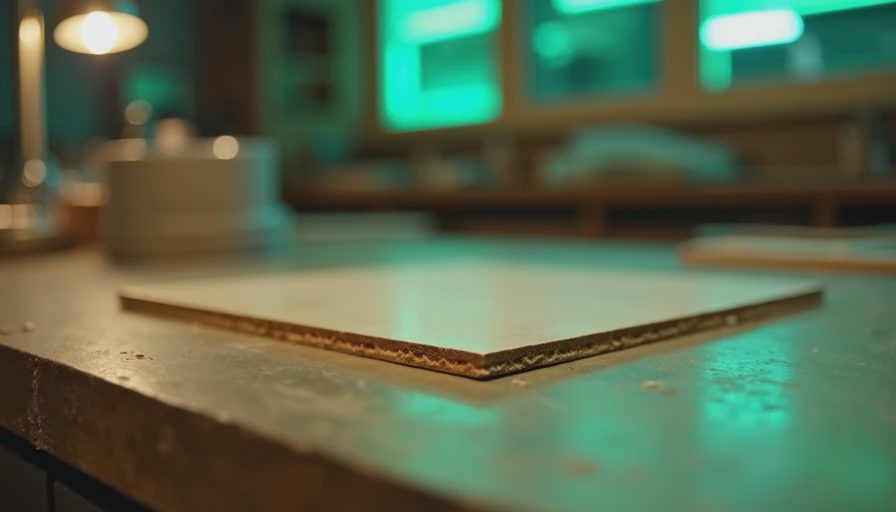
The shortcut most homeowners miss
Before you tear out a floor, get one good estimate that includes demo, disposal, subfloor repair allowance, and new tile set work. A lot of people only hear the pretty number for tile, then get blindsided by the ugly number for labor. I have seen homeowners budget $3,000 for materials and end up needing nearly double that once the old floor is removed. That is not the installer being dramatic. That is the floor telling the truth after it is exposed.
If you are comparing choices, do not compare beige square tile to some fantasy floor that installs itself. Compare it to the real cost of doing the room twice. If the existing tile is serviceable, spending $600 on cleaning and $1,200 on paint and trim can be the smartest renovation move in the house. If the tile is failing, replacement is cleaner than a patchwork of fixes that never quite disappear.
TL;DR: Keep it if the structure is solid and the room just needs better finish work. Replace it when the tile itself is tired, loose, or dragging down a bigger remodel. Floors take a beating every day. Don't let them beat your budget too.



Travellers Write
No letters yet — be the first traveller to write.