The first thing people get wrong is thinking all oak floors behave the same. Red oak engineered hardwood flooring looks like the familiar oak most homeowners want, but the structure under that top veneer changes the whole story. That matters when you are covering a slab, updating a second floor, or trying to avoid a $12,000 mistake that sounded smart in the showroom.
I’ve put in enough oak to know the difference between a pretty sample and a floor that stays flat after a humid July. If you want the warm grain, the pinkish-brown undertone, and the classic Midwestern house feel without the movement of solid planks, this is the version worth pricing first.
What you are actually buying
The useful part of red oak engineered hardwood flooring is simple: a real red oak wear layer bonded over a stable plywood or high-density core. The face is still oak. The core is what keeps the board from expanding and shrinking like a stubborn old porch board. That stability is why it works better over concrete and in rooms where humidity swings are part of life.
On real jobs, I see decent material land around $4 to $8 per square foot, and the better stuff with a thicker wear layer can push past that. Installed, most homeowners end up somewhere around $8 to $16 per square foot, depending on tear-out, subfloor repair, and trim work. If someone quotes you dramatically under that, ask what they left out. It’s usually the part that bites you later.
The wear layer is the number that matters. At roughly 2 mm, you are buying a floor that can take a light sanding, maybe not much more. At 3 mm to 4 mm, you have more breathing room. Thicker than that and you start getting into the kind of product that can survive a real home instead of a showroom.

How to tell if the sample is worth your money
When I look at red oak engineered hardwood flooring in a sample room, I do not care first about the stain color. I care about the cut of the edge, the thickness of the top layer, and whether the planks are built tight enough to lie flat. Cheap flooring often looks fine across the face and sloppy at the tongue, which is where squeaks and gaps start.
Take one board and look at the end. If the veneer is paper-thin, you are buying a short-term dress-up job. If the grain on the wear layer looks too perfect, it may be heavily stained to disguise a softer species or a low-grade face. Good red oak has a clear, open grain and enough character that you can see why people still keep paying for it.
I also like to know whether the finish is aluminum oxide or a tougher factory polyurethane system. Aluminum oxide is common and holds up well in busy homes. It is not magic, but it buys time against chair legs, dog nails, and the occasional dropped skillet. On a kitchen floor, that matters more than the sales pitch about “lifetime” anything.
Where it makes the most sense in a house
If you are putting red oak engineered hardwood flooring over a concrete slab, this is where it earns its keep. A slab in a basement or ground floor can move in ways that make solid wood nervous. Engineered boards handle that better, especially if the slab is flat, dry, and prepped with the right underlayment or glue-down system.
Upstairs, it is a strong choice for families who want hardwood in bedrooms, halls, and stairs without adding the same expansion risk as solid planks. I have pulled up plenty of solid oak floors that cupped because somebody ignored moisture and called it character. Character is what people say when the invoice already got paid.
If your house runs dry in winter and muggy in summer, engineered construction gives you a little forgiveness. That said, it is not a swamp-floor. You still want indoor humidity in a normal range and you still want leaks fixed fast. Wood hates sitting in water no matter how the box is built.
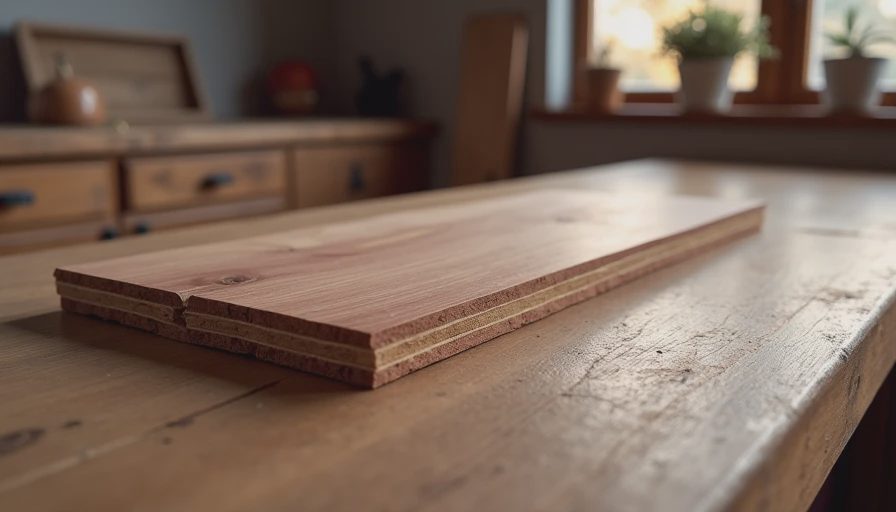
Compared with solid red oak, here is the real trade-off
Compared with solid red oak, red oak engineered hardwood flooring wins on stability and loses some long-term sanding potential. That is the honest version. Solid red oak can usually be refinished more times because the whole board is wood. Engineered flooring depends on the thickness of the veneer, so a thin wear layer limits how often you can sand it.
In a clean install, solid red oak still has a place. If you are building on a plywood subfloor and want a floor that could be refinished by your grandkid, solid oak is hard to argue with. But if you are working with a slab, radiant heat, or a renovation where floor height matters, engineered often makes more sense and saves labor.
I lost money once on a job where the homeowner wanted the look of old-school oak on a concrete slab and the previous contractor had already made the slab a science project. We spent more time fighting the substrate than installing the floor. That is why I tell people to spend their money on flatness and moisture checks before they chase a premium face.
Care, lifespan, and the mistakes that shorten both
A good floor should last a long time, but only if people treat it like a floor and not a mudroom extension. Use felt pads on chairs, keep a doormat at the entries, and wipe spills before they sit. A microfiber dust mop is enough for weekly cleanup. For deeper cleaning, use a cleaner made for finished hardwood, not a steam mop and not a bucket of mystery soap from the garage.
The biggest mistake I see is buying the prettiest plank without asking how it will be maintained. If the finish scratches easily, or the wear layer is too thin to refresh, that bargain gets expensive fast. I have seen homeowners save a couple bucks a foot upfront and spend twice that later on patching or full replacement.
Humidity matters too. In Missouri, I tell people to keep indoor conditions roughly steady through the seasons. That does not mean nursing the floor like a houseplant. It means avoiding extremes. Wood flooring can live a long time if the house is not swinging from desert to sauna every other week.
What I’d tell a homeowner standing in the aisle right now
If you are shopping red oak engineered hardwood flooring this year, ask for the wear layer thickness, the core type, the finish system, and the installed price. If the salesperson starts talking only about color and plank width, they are selling wallpaper with a better soundtrack. Ask for a sample you can keep at home for a few days so you can see it in daylight and under your own lights.
My short answer is this: choose it when you want the oak look, need more stability than solid wood gives you, and are willing to pay for a better build. Skip the bargain version with a thin face and a flashy stain, because that is where the regret lives.
Floors take a beating every day. Don’t let them beat your budget too.
TL;DR: Sand it before you replace it. Call me crazy. Then call me after you get the estimate.

Travellers Write
No letters yet — be the first traveller to write.