The first thing people get wrong about sandstone floor tile is assuming it behaves like porcelain with a fancier tan color. It does not. It is a natural stone, so it has pores, movement in the pattern, and enough personality to look expensive when it is installed right. Put it in the right room and it can carry a whole house. Put it in the wrong room and you buy yourself a maintenance problem with grout lines.
I’ve torn out enough floors to know the story usually starts the same way: somebody wants a warm, earthy look and somebody else says, “Just get stone.” That advice can be smart or dumb depending on the room, the subfloor, and whether the homeowner is willing to seal and clean it like a stone floor instead of a rental laminate.
What makes the material different
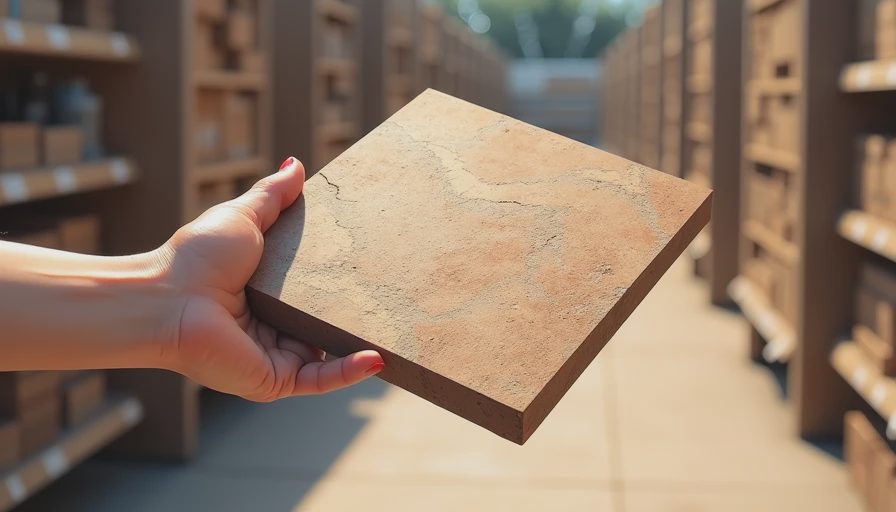
A sandstone floor tile is softer and more porous than porcelain, and usually more porous than marble or granite too. That means it can look great under good light, but it also means it can absorb spills faster if nobody seals it. I like the look of honed or lightly textured finishes because they feel natural underfoot and hide everyday dust better than a shiny polish would. Tumbled edges can soften the look in a kitchen or entry, while a tighter-cut tile gives a cleaner, more modern line.
On price, decent stone usually starts above basic ceramic. In a typical remodel, material might land around $6 to $18 per square foot, with installed pricing often running $15 to $30 per square foot once labor, mortar, grout, and prep are figured in. If the layout is simple and the floor is already flat, that is one number. If the subfloor needs work, the number climbs fast, because stone will not forgive a bad base.
Where it belongs and where I would skip it
In the right house, sandstone floor tile belongs in an entry, a powder room, a kitchen with reasonable traffic, or a sunroom that gets plenty of light. It works well when the owner wants warmth without gloss. It also looks good in older homes because it does not fight trim, brick, or wood cabinets the way some modern surfaces do. If you keep a mat at the door and you are not dragging half the yard inside every afternoon, it can be a solid choice.
I would skip it in a busy mudroom with wet boots, in a basement that already has moisture questions, or anywhere you want the floor to shrug off every spill without a second thought. I am also careful with exterior use in freeze-thaw climates. If winter salt and standing water are part of the picture, that stone can age badly. That is not me being dramatic. That is me having seen the corners pop off and the edges go rough after a few ugly seasons.
How the install makes or breaks the result
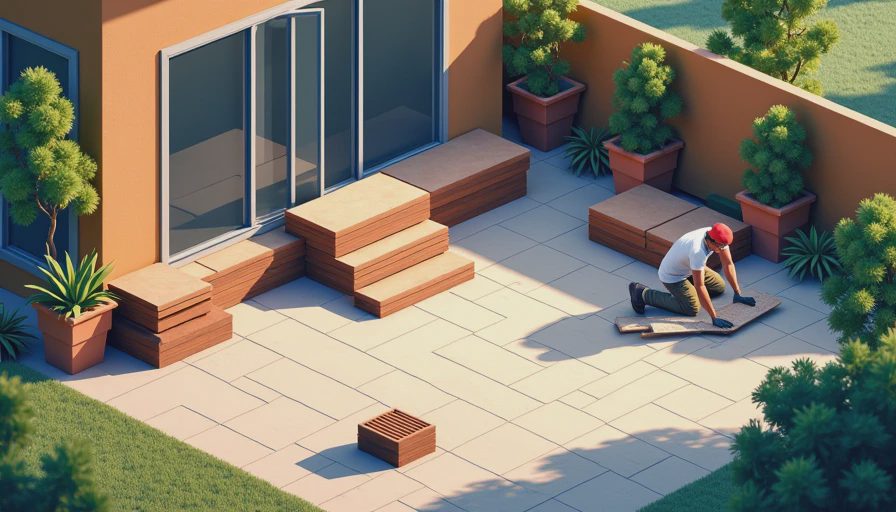
When sandstone floor tile is installed, the subfloor has to be flat first. Not “pretty flat.” Actually flat. Stone tile wants a floor that does not twist or dip, because uneven backing shows through and lippage jumps out at you once the light hits it. On a real job, I want a sound base, a proper underlayment or membrane when the floor calls for it, and a modified thinset that is rated for stone. Large tiles get back-buttered. Perimeter movement joints matter. Skip those details and the floor can look rough even if the tile itself is good.
This is where homeowners get burned by the lowest bid. A tile contractor can be cheap for a reason: no prep, no flattening, no attention to grout joints, and a hope that the stone hides the sins. It won’t. For a straightforward room, labor might be a few dollars less than a premium porcelain job, but once the prep starts, the labor number rises into the same neighborhood. I tell people to budget for the install, not just the box price.
Keeping it clean without babying it
A sandstone floor tile needs a simple maintenance plan, not a museum routine. Seal it after install, then reseal it again when water stops beading on the surface. In a busy kitchen or entry, that can mean every one to three years. In a lighter-use room, it may stretch longer. Use a neutral-pH cleaner. Skip vinegar, bleach, and anything that sounds like it belongs under the sink in a commercial kitchen.
Daily life matters more than people think. Felt pads under chairs save edges. A couple of decent mats at the outside door and the sink will do more for the floor than most fancy cleaning products ever will. If you spill red wine, coffee, or oil, wipe it up instead of admiring your reflection in the puddle. If you hire resealing out, I usually see service pricing in the low single digits per square foot, with minimum trip charges on smaller jobs. That is cheap insurance compared with trying to scrape stain out of a porous stone later.
The straight comparison with other options
If you want the look of sandstone floor tile without the upkeep, porcelain with a stone pattern is the safer move. Good porcelain can mimic the color variation and texture well enough that guests will not walk in and file a complaint. It usually costs less to maintain, and it is far less fussy about spills. That is why I recommend porcelain to busy families who want a stone look but do not want a stone hobby.
If you are comparing it with travertine or limestone, sandstone sits in the same natural-stone conversation but lands a little rougher and earthier. Travertine has more pits and a more Mediterranean feel. Limestone can look smoother and more formal. Sandstone gives you that weathered, grounded look that works in homes with wood trim, simple cabinetry, or older architecture. It is not the flashiest choice. That is part of the appeal.
I had one homeowner in a 1940s bungalow who wanted a floor that felt warm under bare feet but still looked like it belonged in the house. We set the stone with a narrow grout joint, sealed it twice, and put runners where the traffic hit hardest. Five years later it still looked good because the family treated it like real stone instead of a miracle surface. That is usually the difference between a floor that ages well and one that starts looking tired in year two.
If you are buying, ask yourself one plain question: do you want low-maintenance, or do you want natural character? If the answer is character, sandstone floor tile can be worth every penny. If the answer is zero hassle, buy porcelain and sleep better. Floors take a beating every day. Don't let them beat your budget too.

Travellers Write
No letters yet — be the first traveller to write.